10 min read
Best fantasy series 2025 2026 have done something the genre needed for years: they stopped trying to be the next Game of Thrones and started being themselves. The bloated, exposition-heavy approach is dying. What replaced it is a field of shows that trust atmosphere over explanation, character over spectacle, and specificity over mass appeal.
Here are the top 12 fantasy series worth watching right now, ranked:
| Rank | Series | Platform | Seasons | Status |
|---|---|---|---|---|
| 1 | House of the Dragon | HBO / Max | 2 (S3 mid-2026) | Renewed |
| 2 | A Knight of the Seven Kingdoms | HBO / Max | 1 | Premiered Jan 2026 |
| 3 | The Rings of Power | Prime Video | 2 (S3 Nov 2026) | Renewed |
| 4 | The Witcher | Netflix | 4 (S5 late 2026) | Final season coming |
| 5 | Wednesday | Netflix | 1 (S2 2026) | Renewed |
| 6 | The Wheel of Time | Prime Video | 2 | Renewed |
| 7 | Interview with the Vampire | AMC / AMC+ | 2 (S3 2026) | Renewed |
| 8 | The Sandman | Netflix | 1 | Renewed |
| 9 | Outlander | Starz | 7 (S8 Mar 2026) | Final season |
| 10 | From | MGM+ | 3 | Renewed |
| 11 | Daemons of the Shadow Realm | Crunchyroll | 1 | Premiered Apr 2026 |
| 12 | The Mighty Nein | Prime Video | 1 | Airing |
The Best Fantasy Series 2025 2026 That Define This Era
#1. House of the Dragon
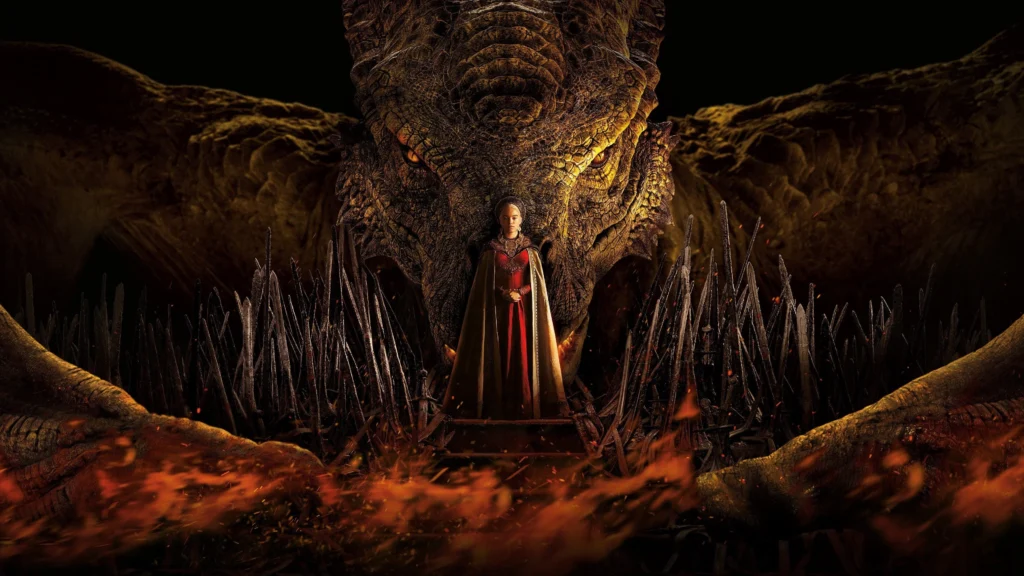
House of the Dragon came back for its second season and proved that political fantasy can carry more tension than any dragon battle. The Targaryen civil war unfolds through whispered betrayals and fractured alliances, not through set pieces designed for trailer reels. Season 3 arrives mid-2026 with the Dance of the Dragons approaching its most devastating chapters.
Characters contradict themselves in ways that feel earned rather than plotted. Loyalties shift because the world demands it, not because a writer needed a twist. If you felt Game of Thrones collapsed under its own ambition in later seasons, this is the show that rebuilds that trust. The political intrigue is not a backdrop to the fantasy. It is the fantasy. Shows on the drama series list share some of that DNA, but House of the Dragon occupies a tier where the throne room is more dangerous than any battlefield.
#2. A Knight of the Seven Kingdoms
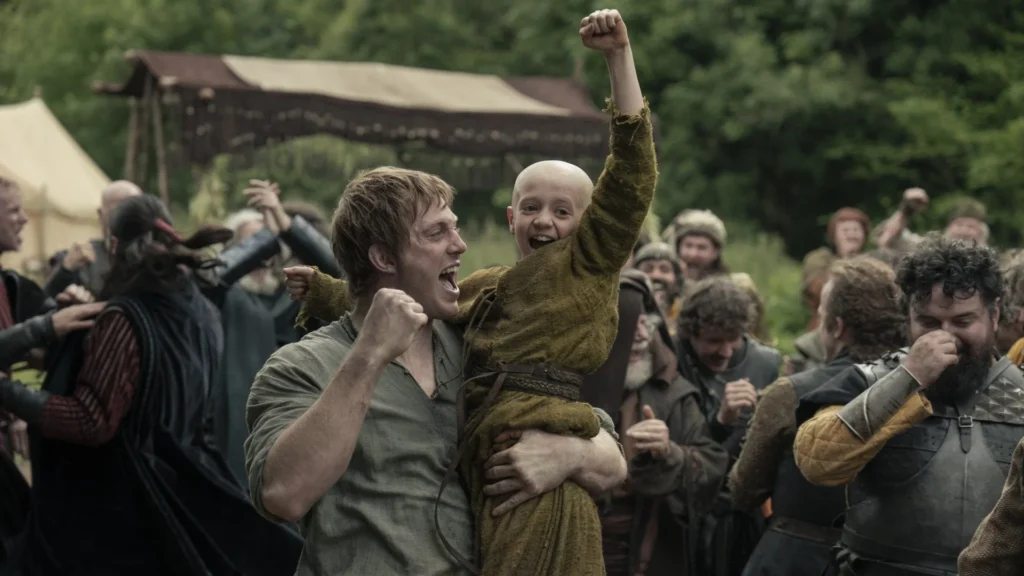
HBO understood something important: the Game of Thrones universe needed tonal variety, not just more fire. A Knight of the Seven Kingdoms premiered in January 2026 and pulled 6.7 million U.S. viewers in three days. The show adapts the Dunk and Egg novellas, set a century before the main series, and the scale is deliberately smaller. A hedge knight. A disguised prince. Roads that feel traveled rather than designed.
There is humor here that the franchise never quite figured out before. It lands because the characters feel real enough to be funny. Fantasy does not need the end of the world to justify your attention. Sometimes a good story about two people walking through a lived-in kingdom is enough.
#3. The Rings of Power
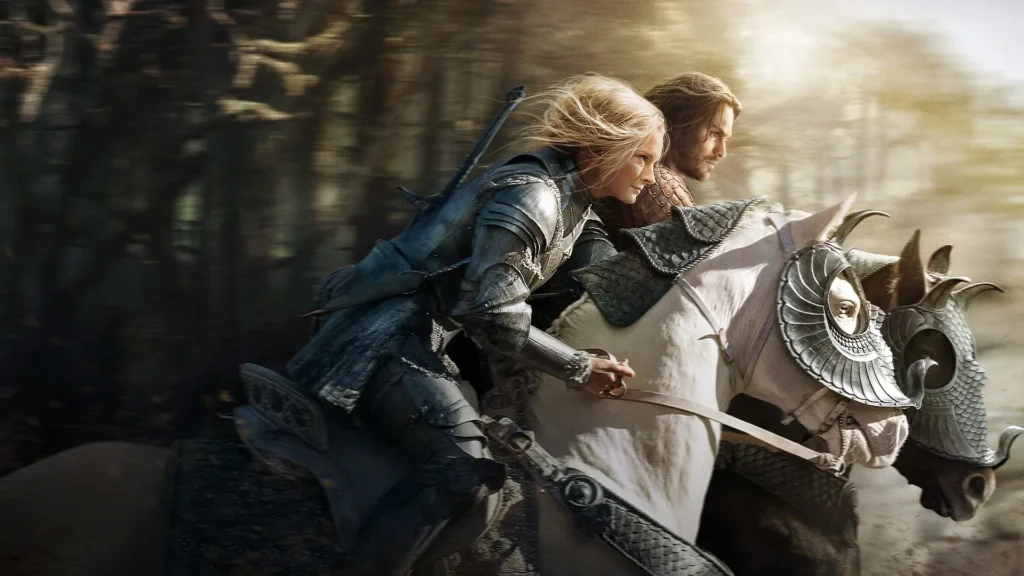
The Rings of Power had a rocky first season. The second season fixed most of what needed fixing. Sauron became properly threatening. The Elven storylines found the emotional weight they had been missing. Durin and Disa now carry scenes with a gravity that rivals anything in the Peter Jackson films. Season 3 is confirmed for November 2026.
The production design remains unmatched in television. But the real progress is in connecting those visuals to characters people care about. Whether this becomes the defining fantasy epic of streaming or an expensive near-miss depends entirely on Season 3. The trajectory is promising. The sci-fi fantasy movies 2024 and 2025 collection on this site explores similar territory in film form.
#4. The Witcher
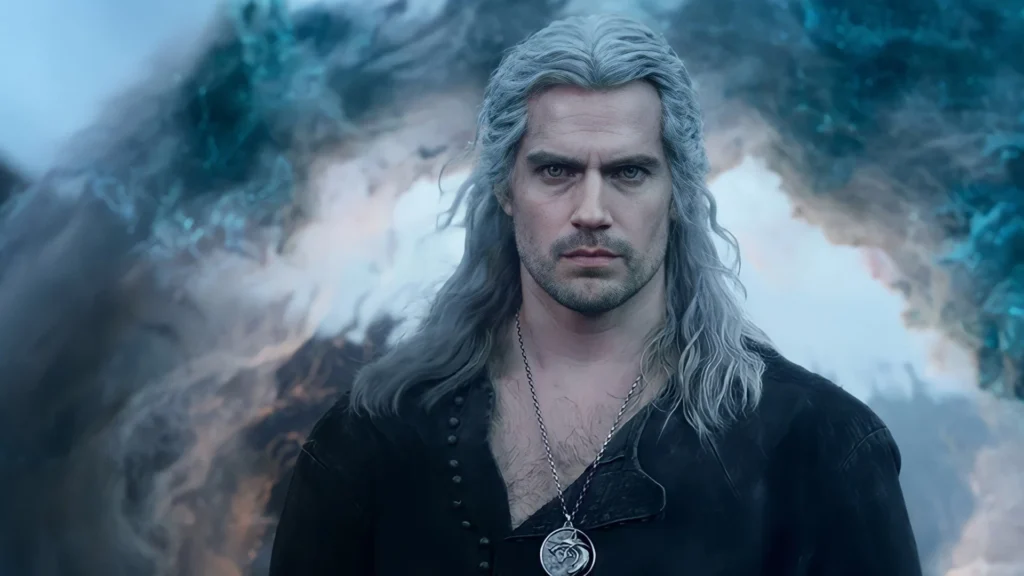
Netflix navigated one of the most scrutinized casting transitions in recent memory when Liam Hemsworth replaced Henry Cavill. Season 4 handled it better than expected by leaning into Geralt’s weariness rather than trying to replicate Cavill’s physical intensity. Season 5, the final chapter, is expected later in 2026.
The Continent has always been the show’s real star. A world where moral clarity gets you killed and survival requires uncomfortable compromise. As a complete series, The Witcher will likely be remembered as uneven but sincere. It swung hard and connected often enough to matter. Those drawn to the supernatural series list will find The Witcher sits at the darker, more morally complex end of that spectrum.
#5. Wednesday Season 2
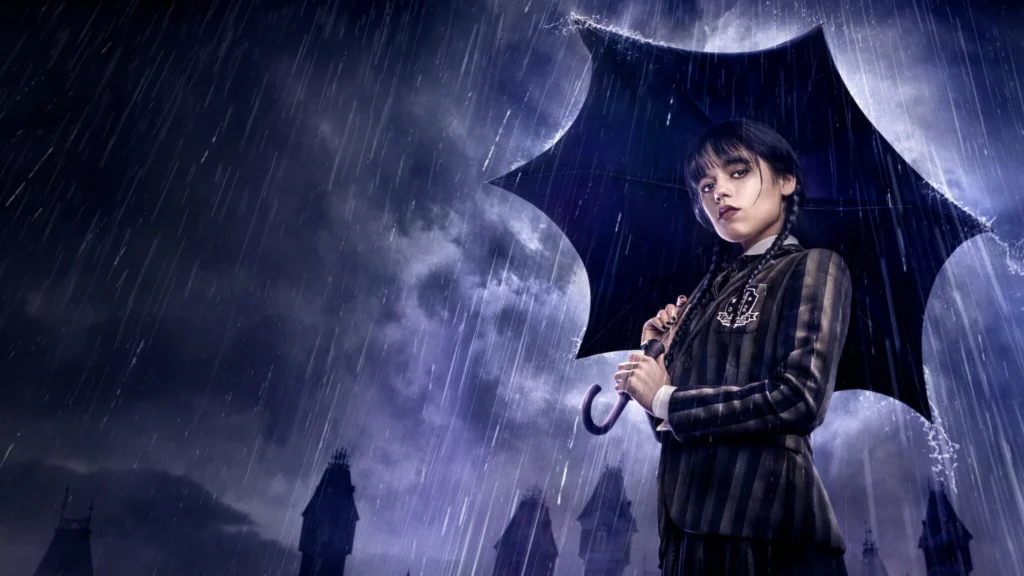
Wednesday worked because it was precise. Tim Burton’s aesthetic gave the show an emotional vocabulary that most genre television lacks entirely. Season 2 arrives in 2026 with a broader scope, moving beyond Nevermore Academy into wider supernatural politics.
The risk is obvious. Expansion can dilute what made the first season sharp. But Jenna Ortega’s performance and the show’s refusal to soften its protagonist suggest the creative team understands what they have. The gothic tone is not ornament. It is the engine.
#6. The Wheel of Time
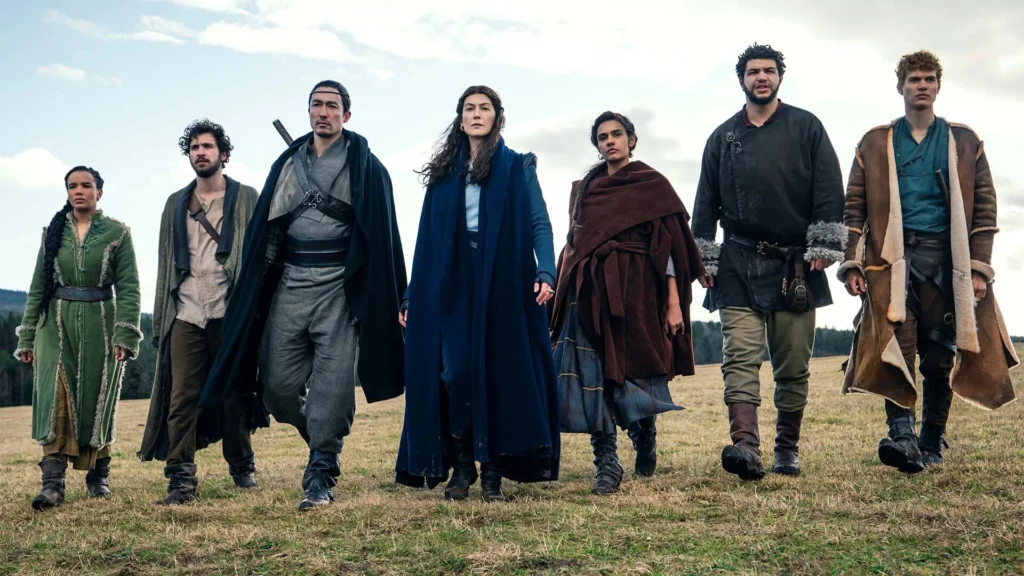
Amazon’s Wheel of Time adaptation has been a slow burn, and that patience is beginning to pay off. The challenge was always compression: fitting fourteen books into a television format without losing the scope that made the source material beloved.
What gives this show an edge over other epic fantasies is its magic system. The One Power is gendered, politicized, and institutionalized. The Aes Sedai operate as both protectors and political actors, and the tension between their authority and individual morality adds layers that pure action-fantasy cannot replicate. Not every episode is elegant. Some feel more like chess moves than stories. But the overall arc is heading somewhere that justifies the investment.
#7. The Vampire Lestat
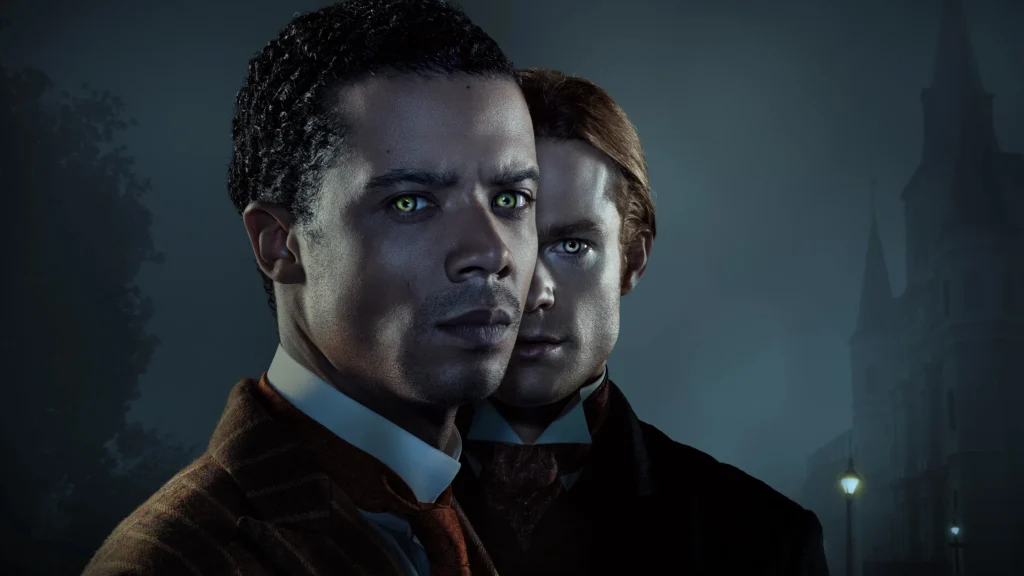
AMC’s Interview with the Vampire does something risky with Anne Rice’s material: it restructures rather than adapts. Season 3 pivots to “The Vampire Lestat” with Sam Reid taking the spotlight. The framework of unreliable narration turns what could be a straightforward vampire story into something distinctly literary.
Memories contradict. Timelines fracture. Characters lie to themselves and to the audience with equal conviction. The horror series 2020 2025 collection shares atmospheric overlap, but Interview with the Vampire occupies its own space: gothic, intellectual, and unafraid of ambiguity.
#8. The Sandman
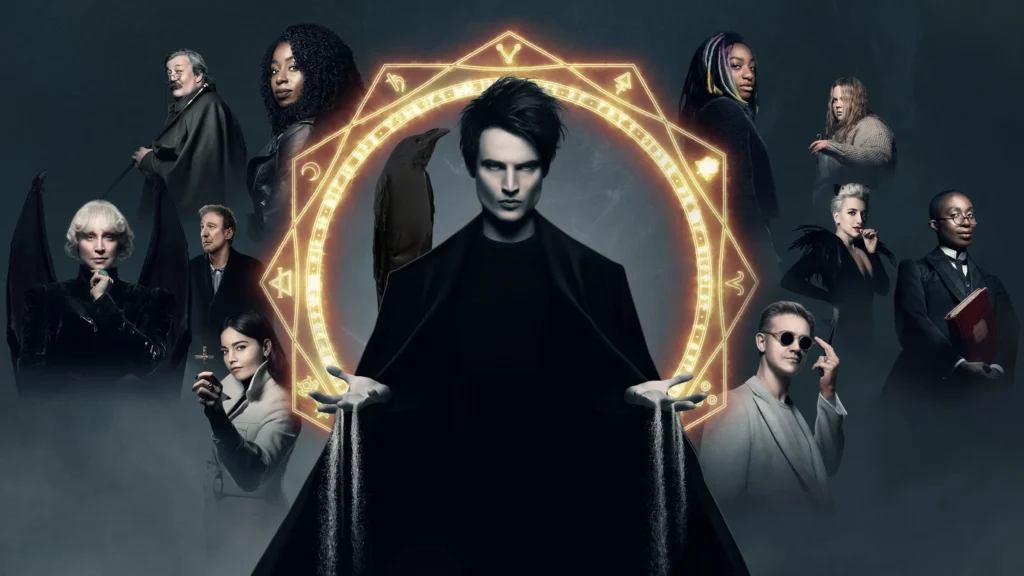
Neil Gaiman’s comic was called unadaptable for decades. Netflix proved otherwise. The Sandman found a visual language somewhere between stage theater and surrealist painting. The episodic structure lets each story establish its own rules before connecting to the larger mythology of the Endless.
Dream is not a conventional protagonist. He observes, judges, and occasionally intervenes. That distance makes the stories around him more compelling because they escape the hero’s journey formula entirely. The show moves between horror, mythology, romance, and philosophical meditation without forcing any of those transitions. Tone is its greatest achievement.
#9. Outlander Season 8
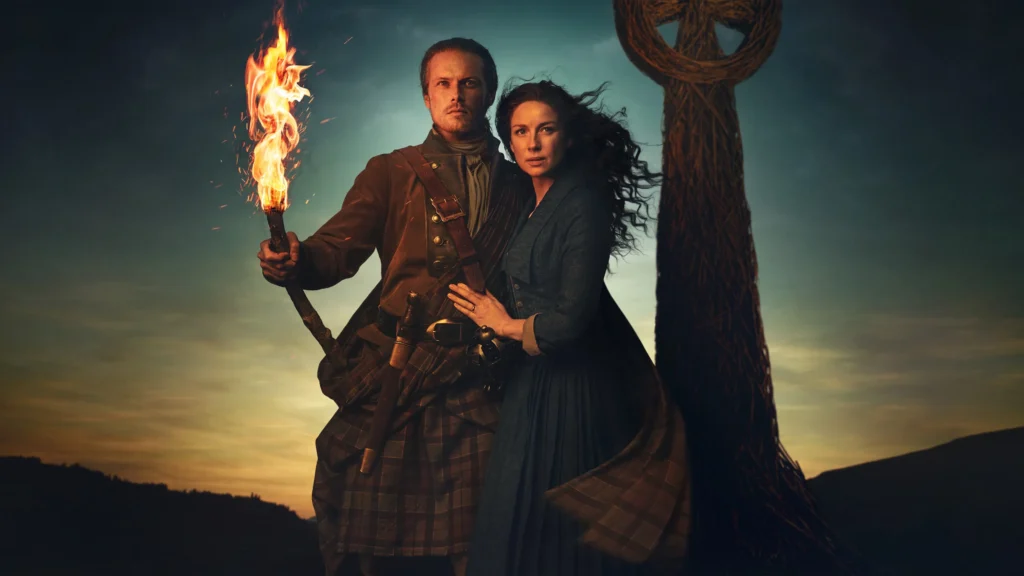
Outlander closes with its eighth season in March 2026. The show occupied a strange position for years: part historical drama, part romance, part time-travel fantasy, with no single genre ever dominating. That fluidity is both its greatest strength and the reason it never received the critical attention it deserved from fantasy circles.
Outlander deserves recognition for maintaining its identity across eight seasons without chasing trends or sacrificing its central love story for shock value. Consistency over that span is rarer than most people realize.
#10. From
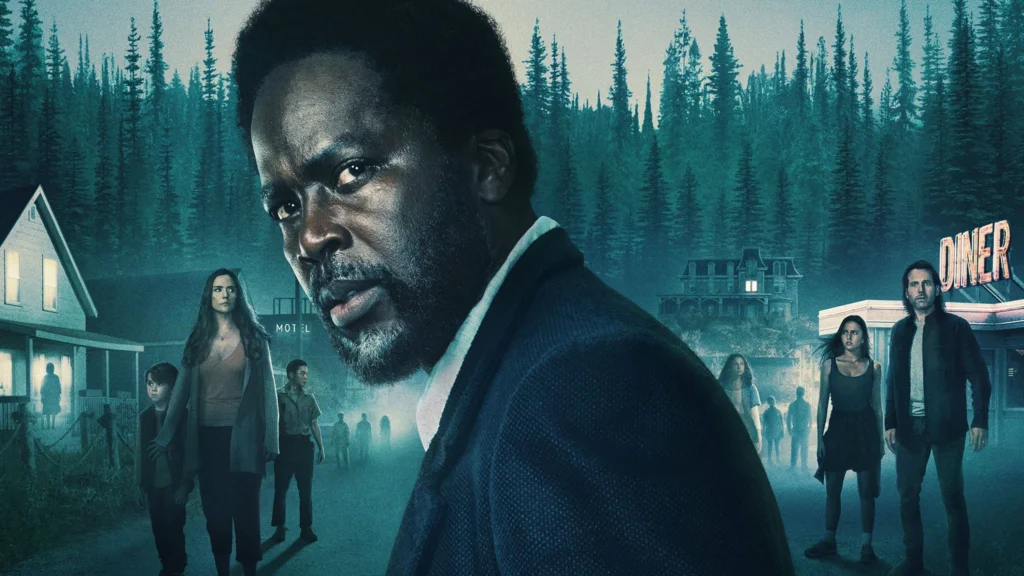
From might be the most underrated fantasy horror series airing right now. The premise sounds simple: people arrive in a small town and cannot leave. Creatures emerge at night. Residents survive through rules they do not understand. What makes From exceptional is its commitment to mystery without rushing toward resolution.
The tone sits between Lost and Silent Hill, combining ensemble drama with sustained supernatural dread. The show lacks the budget of major streaming fantasies, and that limitation works in its favor. Horror built from suggestion and atmosphere lingers longer than anything CGI can produce.
#11. Daemons of the Shadow Realm
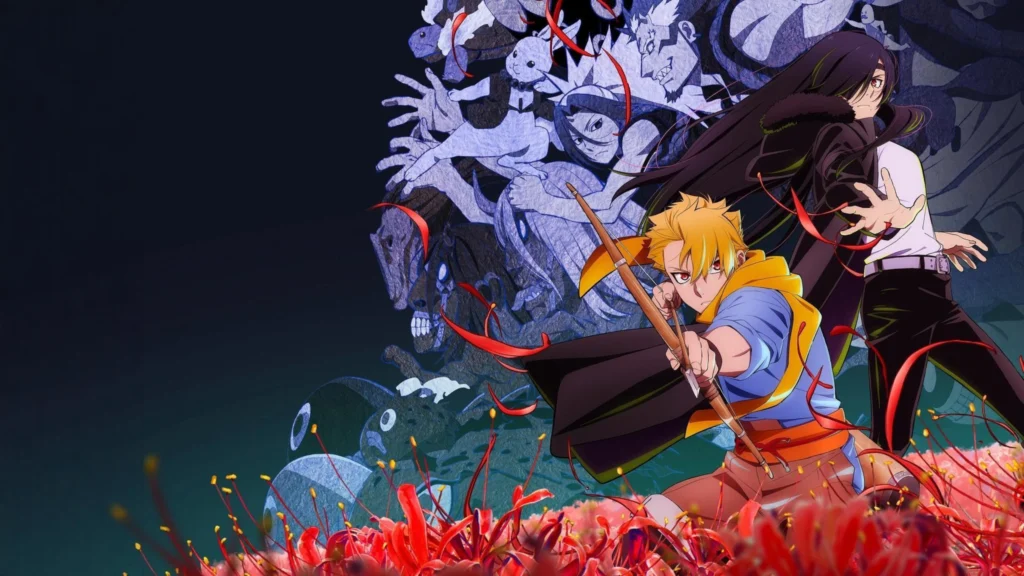
Hiromu Arakawa created Fullmetal Alchemist. That alone generates attention. Daemons of the Shadow Realm debuted on Crunchyroll in April 2026 and justifies that attention on its own terms. The setting blends Japanese folklore with a violence and darkness that exceeds her previous work.
Arakawa builds magic systems that feel logical without sacrificing wonder. The daemon contracts carry real cost: physical, psychological, moral. For viewers exhausted by formulaic isekai premises, this offers something that feels properly unfamiliar within the fantasy anime space.
#12. The Mighty Nein
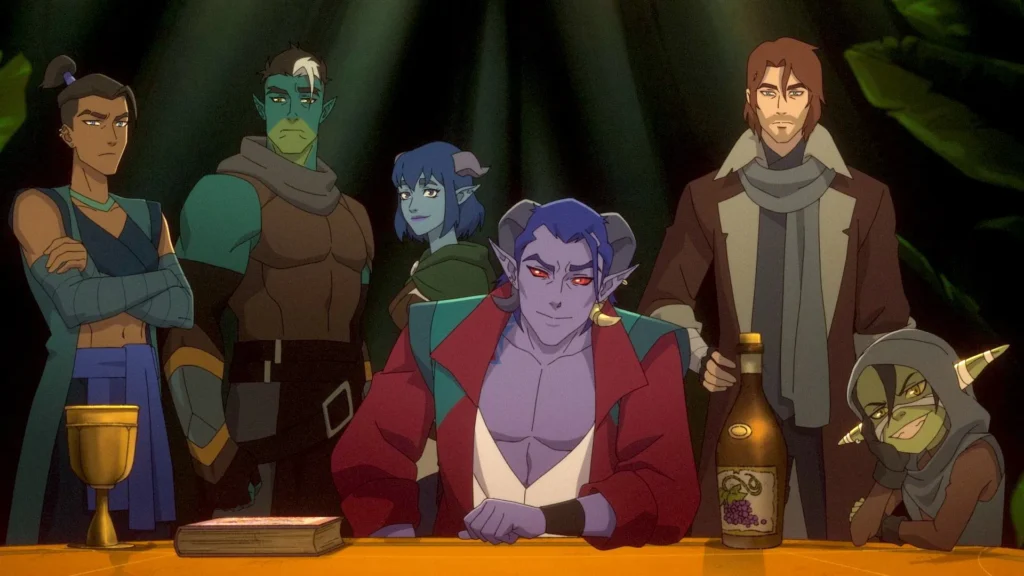
Amazon’s adaptation of Critical Role’s second campaign is darker and more mature than the Vox Machina series. The Mighty Nein follows misfits navigating political corruption and ancient evil, drawing from hundreds of hours of improvised source material.
These are not archetypal heroes. They are broken, self-interested, occasionally cruel people who form real bonds despite themselves. The animation style matches the tone: grittier, less polished, more emotionally direct. For anyone tired of the standard medieval European fantasy template, The Mighty Nein builds a world that feels refreshingly different.
What is the best fantasy series to watch in 2026?
Which fantasy series are returning with new seasons in 2026?
What new fantasy shows premiered in 2026?
Which fantasy series on this list are based on books?
The Genre Stopped Competing and Started Diversifying
Fantasy television no longer needs a single dominant show. The era defined by one throne is over. What replaced it is better: gothic horror, political intrigue, folklore animation, and metaphysical storytelling all coexisting without competing for the same audience.
The shows that succeed in 2025 and 2026 found their specific viewers and served them with precision. What holds attention now is specificity of voice and emotional truth. The best entries here understand that.
All promotional images used in this article belong to their respective production companies and distributors. They are used here solely for editorial commentary and review purposes.