
14 min read
Multiplayer games are not defined by a single structure or experience. Some are built around survival and constant pressure, others focus on coordination, long-term teamwork, or social interaction. Understanding these differences is essential for choosing the right type of multiplayer experience.
Table of Contents
This guide breaks down the main multiplayer game types—battle royale, co-op, competitive, and social or sandbox play—by looking at how they function, what kind of player behavior they encourage, and who they are best suited for. Rather than ranking games or highlighting trends, the focus here is on explaining the core logic behind each type and how they shape the way players interact.
Battle Royale Multiplayer: Chaos, Speed, Survival
A game of chaos, speed, and split-second decisions. Battle royale games offer one of the most extreme experiences in the multiplayer space. Every match begins from zero. Everyone starts equal, and no one has an advantage at the start. The map is large, the player count is high, and as time passes, the playable area shrinks. This structure constantly forces the player to move. Stopping, waiting, or hesitating often means being eliminated. But reducing battle royale to “the last survivor wins” misses the bigger picture. What keeps this genre alive is the fact that every match creates a different story. The same map, the same weapons, the same number of players—yet no two matches ever feel exactly the same. This unpredictability is the genre’s greatest strength.
Apex Legends: The Balance of Speed and Coordination
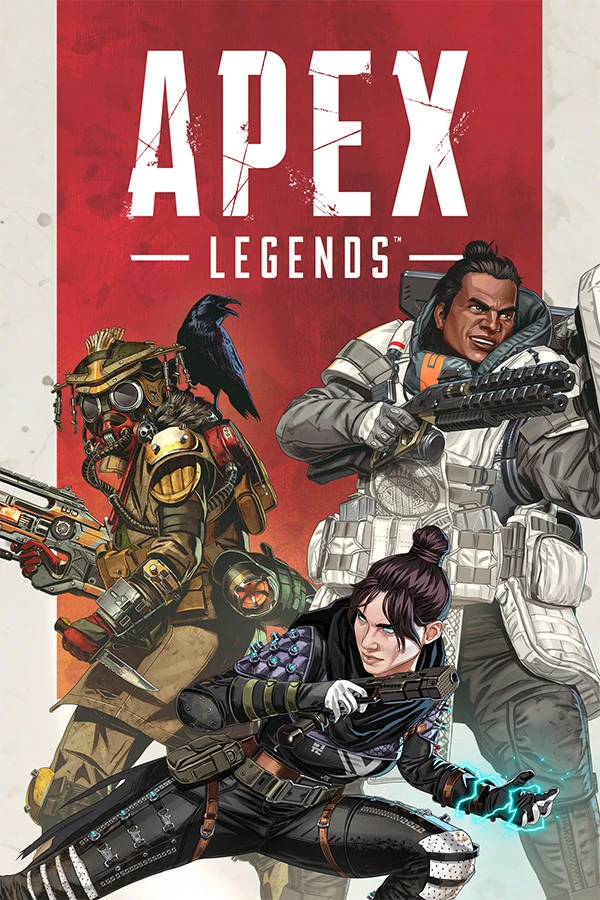
Apex Legends was developed by Respawn Entertainment and released by Electronic Arts in 2019. The game pushed the battle royale genre toward a faster, more fluid structure. Movement in Apex Legends quickly becomes instinctive. Sliding, jumping, and climbing are natural parts of gameplay. However, speed alone is not enough. Character abilities and team coordination can outweigh individual skill. A poorly timed decision can matter more than precise aim. This design makes the game rewarding for long-term players. For newcomers, however, the pace can feel exhausting. Apex Legends expects its players to be willing to learn and adapt.
Fortnite: A Constantly Changing Space
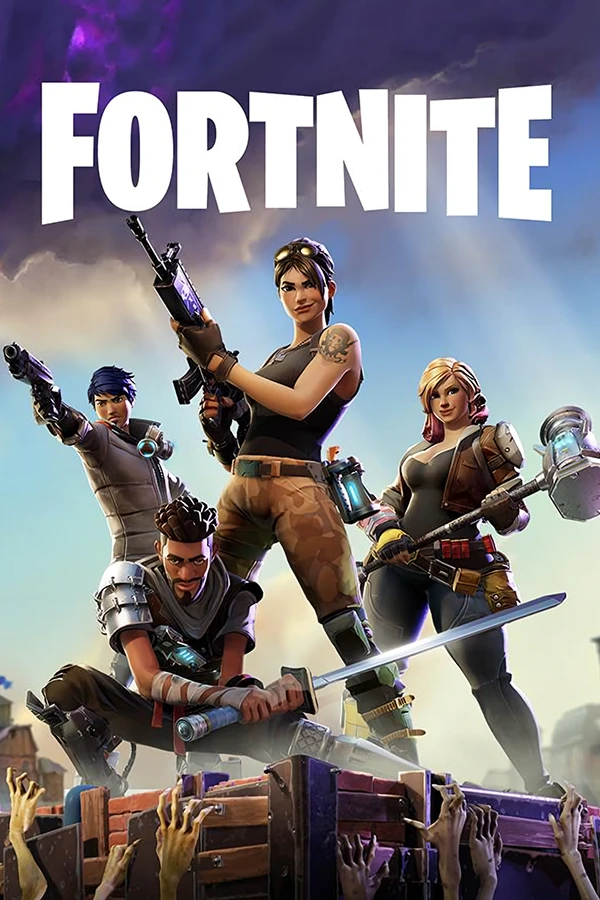
Fortnite was released by Epic Games in 2017. It defines battle royale not only through combat, but through creativity and constant change. The game’s most distinctive feature is its building mechanic. This system clearly divides those who enjoy the game and those who do not. A player who can build effectively has a major advantage over one who cannot. At the same time, this mechanic prevents matches from feeling static and makes every encounter unique. Frequent updates, evolving maps, and shifting mechanics turn Fortnite into a living platform. For some players, this is exciting. For others, it can feel overwhelming.
Call of Duty: Warzone – A Familiar FPS Feel
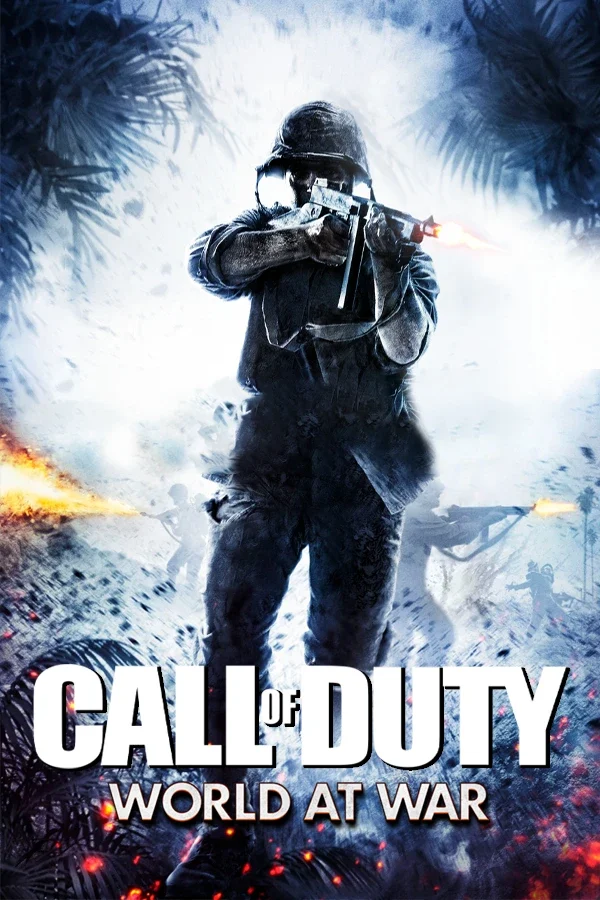
Call of Duty: Warzone was released in 2020 by Infinity Ward and Activision. It blends the battle royale format with the classic Call of Duty experience. Gunplay feels heavier and more grounded. Maps are large, and firefights are often intense. Teamplay matters, but individual reflexes still play a significant role. This makes Warzone more approachable for FPS players who are hesitant about battle royale games. That intensity, however, can be draining during long sessions. Warzone suits players who prefer short, high-pressure matches.
PUBG: Battlegrounds – Patience and Positioning
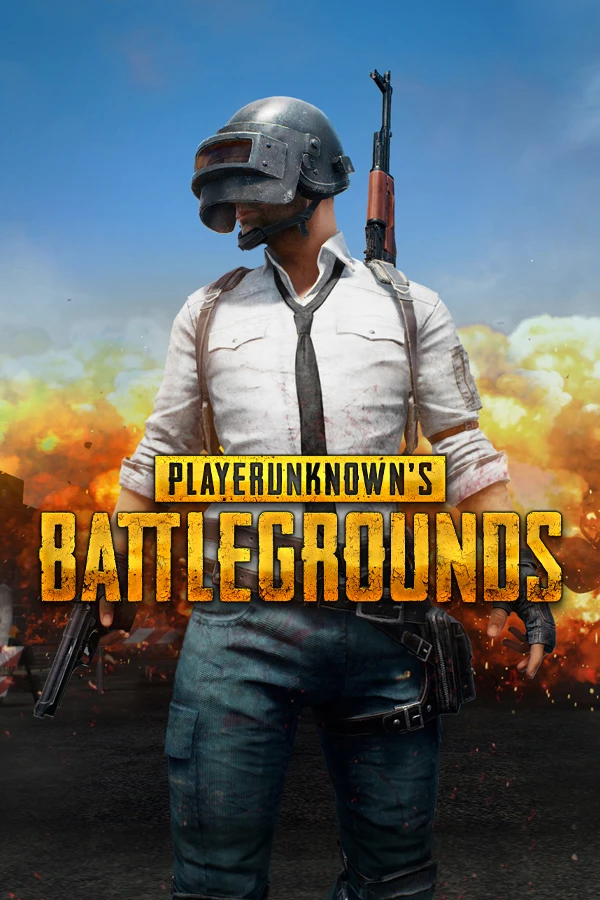
PUBG: Battlegrounds was released by Krafton in 2017 and became one of the titles that brought battle royale into the mainstream. The pace of PUBG is slower. Movement, positioning, and reading the environment are critical. Mistakes are rarely forgiven. This makes the game harder to learn, but deeply satisfying for players who adapt to its rhythm. While faster and flashier battle royale games exist today, PUBG remains a strong choice for players who appreciate its deliberate tempo.
Fall Guys: Chaos Without Consequence
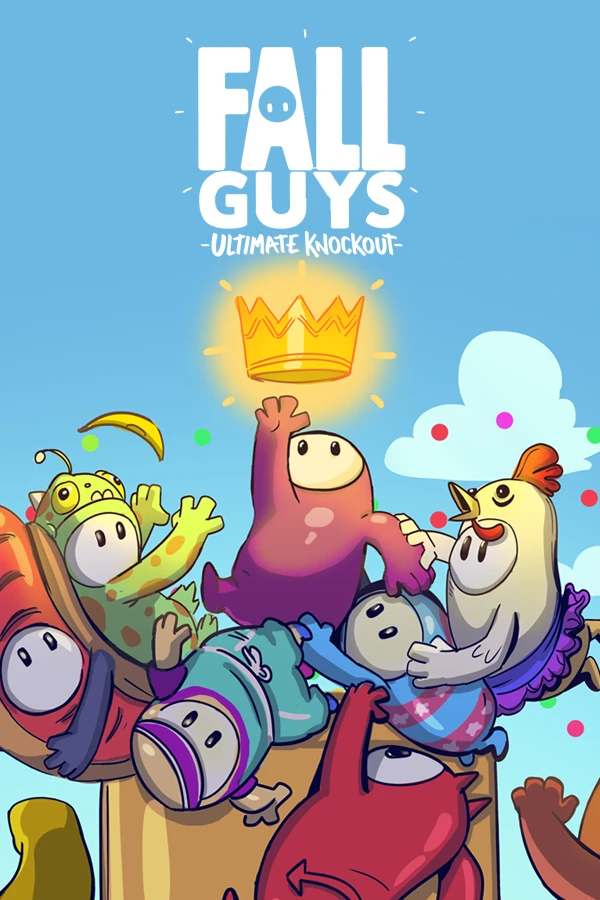
Fall Guys was released in 2020 by Mediatonic and, from the moment it launched, it reinterpreted the battle royale concept in a lighter and more accessible form. The game does not feature weapons or traditional survival mechanics. Instead, it is built around multiplayer elimination rounds. Players are eliminated in each round until a single winner remains.In this sense, Fall Guys does not occupy the same harsh competitive space as games like Apex Legends or PUBG. It focuses more on reflexes, timing, and finding balance within chaos. Because randomness plays a significant role, every match offers a different experience. Losing rarely feels punishing and often feels like a natural part of the game.Fall Guys stands as a strong example of games that interpret the battle royale genre through fun and accessibility rather than pure competition.
Who Is Battle Royale For?
Battle royale games appeal to players who enjoy starting from zero every match, taking risks, and embracing uncertainty. Planning matters, but so does accepting that plans can collapse at any moment. Control is limited; players must do the best they can with what they find. In battle royale, winning is not the only measure of success. Staying alive longer is an achievement in itself.
Co-op Multiplayer: Playing Together, Not Against
Games that gain meaning when played together. Co-op multiplayer games are built on coordination rather than competition. The goal is not to defeat other players, but to achieve something together. Multiple players working toward the same objective—complementing each other’s actions—is at the core of the genre. This creates a very different feeling from solo-focused multiplayer experiences. In a strong co-op game, one thing becomes clear quickly: if everyone tries to do the same thing, everything falls apart. One player pushes forward, another supports, another controls the situation. These roles are rarely enforced by the game itself; they emerge naturally through play. This is what gives co-op its strength.
Helldivers 2: The Game of Silent Coordination
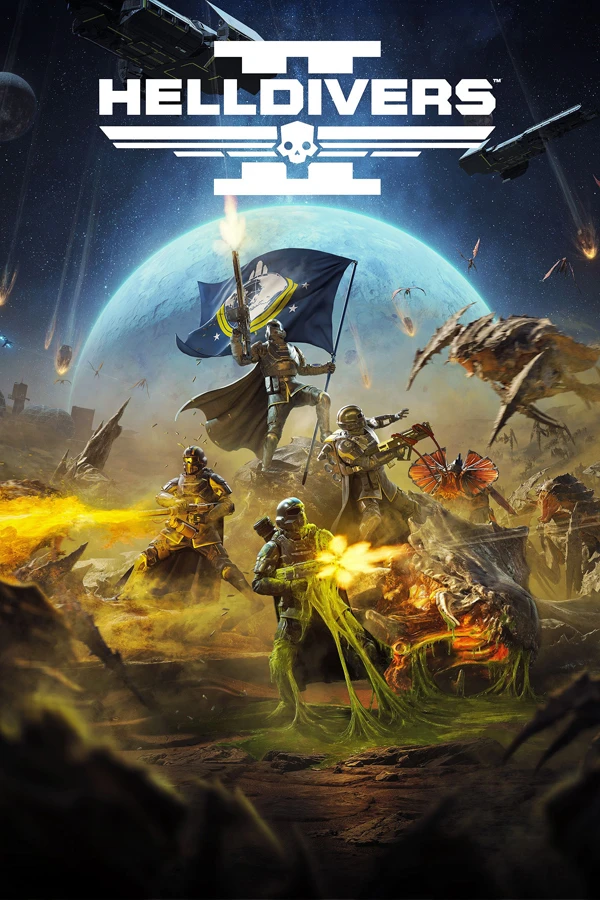
Helldivers 2 was developed by Arrowhead Game Studios and released by Sony Interactive Entertainment in 2024. Helldivers 2 demonstrates a fundamental truth of co-op games: everyone can play well, but not everyone can play together. Roles are not written down. Who does what depends entirely on team dynamics. One player advances, another secures the rear, another manages the environment. The same mission can feel completely different with a different team. Sometimes everything flows smoothly; sometimes a small coordination mistake unravels the entire plan. This unpredictability is not a flaw—it is the game’s identity. With friends, the chaos becomes entertaining tension. With random matchmaking, the experience may feel less consistent. Helldivers 2 suits players who enjoy moving together but do not expect full control.
Lethal Company: Not Fear, but the Human Factor
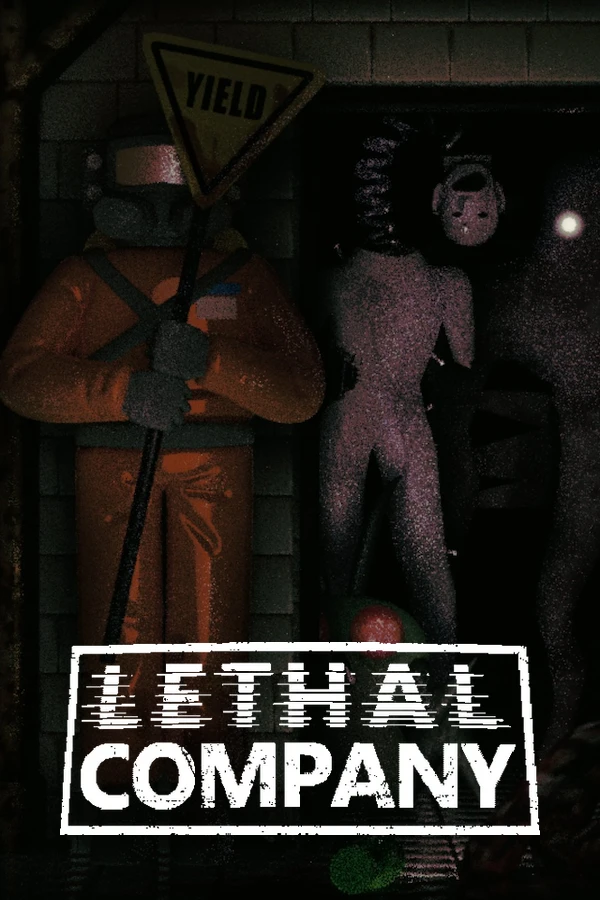
Lethal Company was developed by the independent creator Zeekerss and entered early access in 2023. The game does not rely on visuals or jump scares to create fear. The real tension comes from player interaction. One person panicking in a quiet group can instantly destroy any sense of order, making the experience unpredictable. Played alone, the game feels minimal. Played with friends—especially with voice chat—it creates memorable moments. After every session, there is always something to talk about. Lethal Company is less about “playing a game” and more about “sharing an experience.”
Destiny 2: A Long-Term Co-op Experience
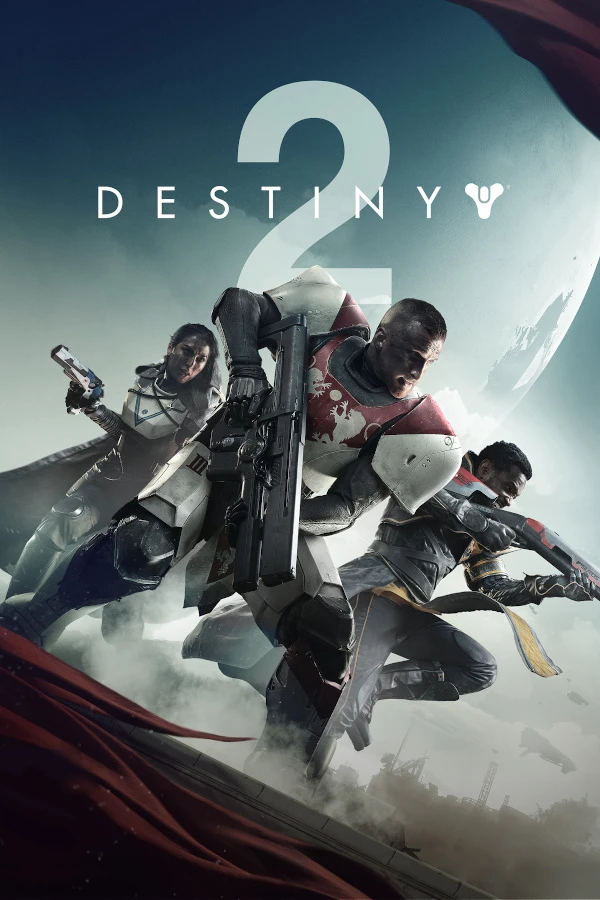
Destiny 2 was developed by Bungie and released in 2017. Unlike short matches, it spreads the co-op experience across a long-term progression loop. Its co-op side shines most in raids and high-level activities, which demand real coordination. Everyone must understand their role. A single mistake can affect the entire team. For newcomers, Destiny 2 can feel overwhelming. Systems, missions, and progression paths are complex at first. But for players who pass this threshold, the game offers a structure that supports long-term engagement. Here, co-op is not optional—it is fundamental.
Sea of Thieves: Exploring Together
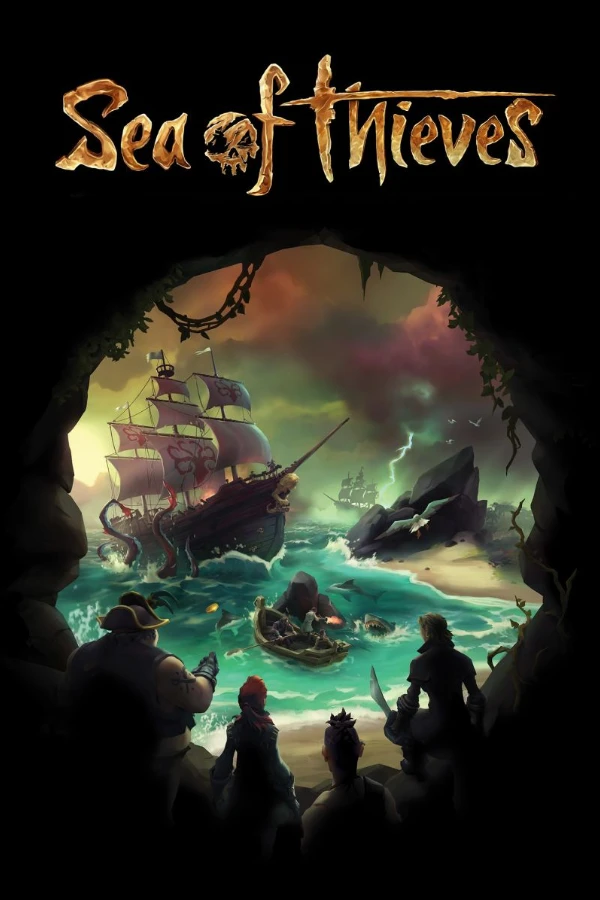
Sea of Thieves was developed by Rare and released in 2018. The game separates co-op from pure competition. There is no strict direction. What you do is largely up to you. This freedom can feel magical to some players and aimless to others. With the right crew, however, the game transforms. Sailing the ship, dividing tasks, and making quick decisions create a strong co-op dynamic. Most memorable moments in Sea of Thieves are unplanned, which is exactly why they last.
Palworld: Building a Shared World
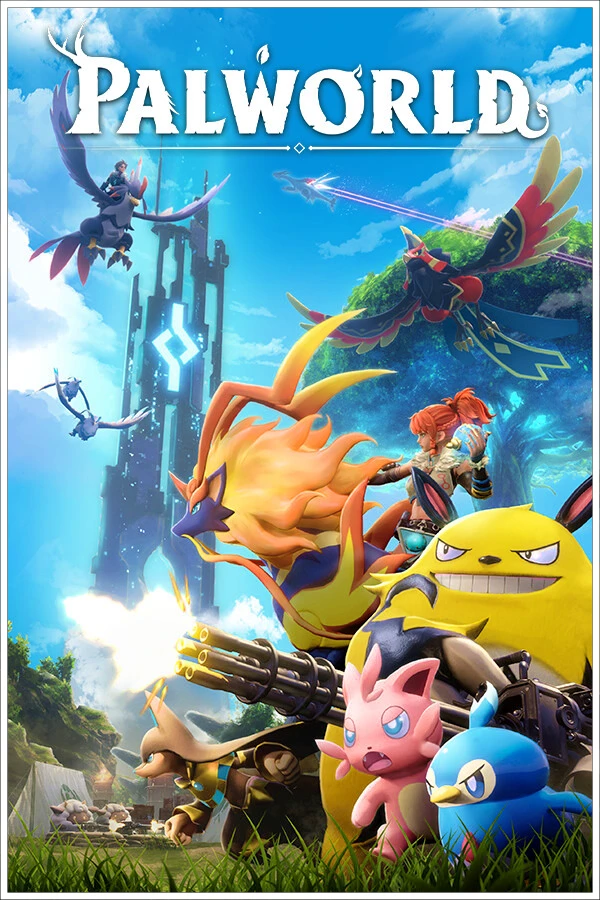
Palworld was developed by Pocketpair and released in 2024. Palworld shifts co-op into a calmer, long-term experience. Crafting, exploration, and survival systems are balanced around multiplayer play. Worlds built with friends slowly turn into shared spaces. The pace is not always fast. For players seeking constant action, this can feel disengaging. For those who prefer steady progress, it feels natural. Palworld shows that co-op is not limited to combat.
Who Are Co-op Games For?
Co-op multiplayer games appeal to players who enjoy progressing together rather than standing out alone. Those comfortable with communication, role sharing, and occasionally stepping back find more satisfaction in this genre. In co-op games, success rarely comes from being the best individual player—it comes from being the most coordinated team.
Tactical Multiplayer: Decisions Over Speed
Games built on patience, discipline, and decision-making Tactical and competitive multiplayer games demand control as much as reflexes. Speed is not everything—often, being fast means being wrong. Players understand that every action has consequences. A single small mistake can determine the outcome of an entire round or match. These games test patience. They are unforgiving to players who rush, lose focus, or act without intention. This harsh structure explains why the genre has such a loyal audience. Every win feels earned, not accidental.
Valorant: Where Decisions Matter More Than Reflexes
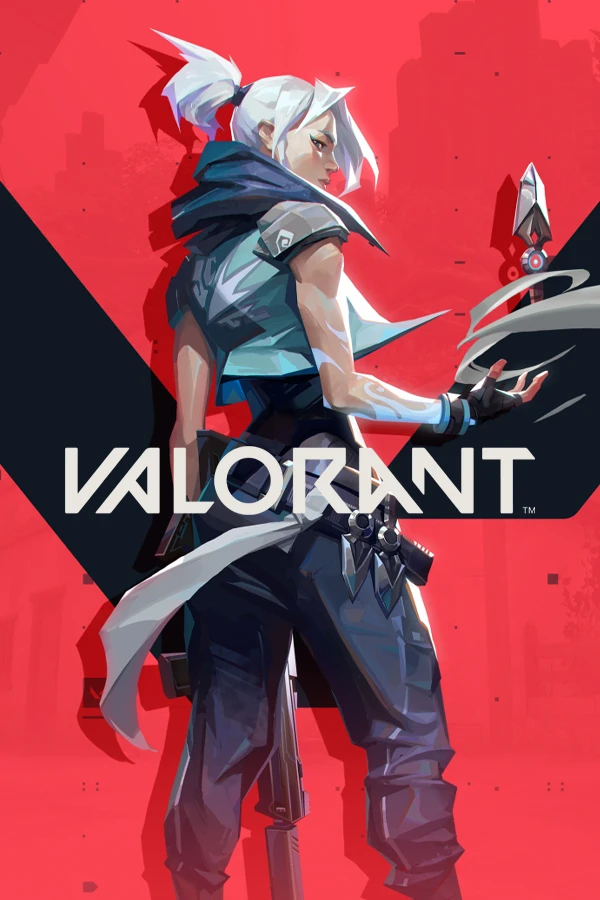
Valorant was developed by Riot Games and released in 2020. The game does not remove traditional FPS mechanics, but it does not consider them sufficient on their own. Each round is shaped by small decisions—when to wait, when to push, what information to share. For new players, Valorant can feel slow and punishing. “Why did I die instantly?” is a common question. Once the rhythm is understood, however, each round gains meaning. Victories usually come from team decisions rather than individual heroics. Players who enjoy clarity appreciate Valorant’s structure. Those who dislike it often struggle with its demand for patience.
Counter-Strike 2: Unchanging Severity
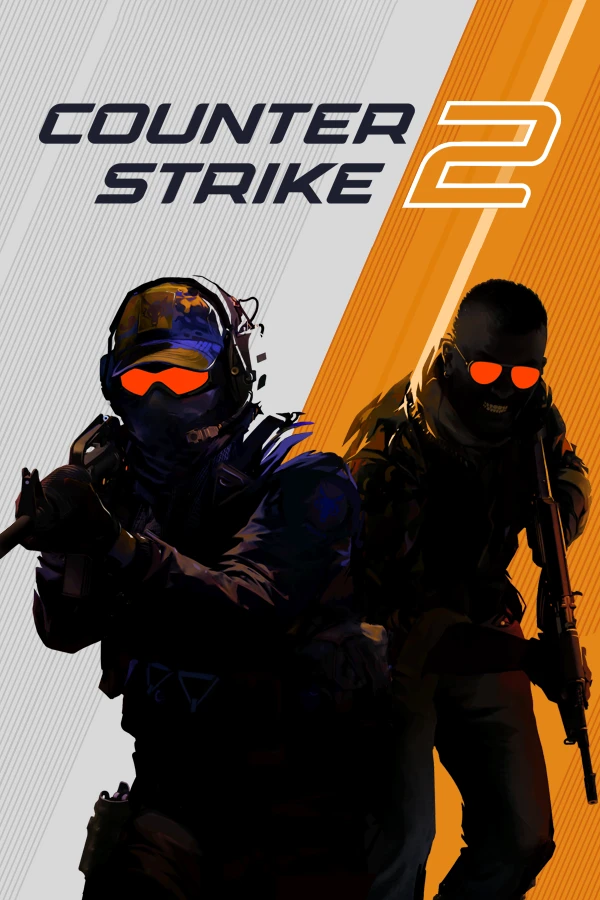
Counter-Strike 2 was released by Valve in 2023 as the successor to CS:GO. The Counter-Strike series represents tactical multiplayer in its purest form. There are no flashy abilities or surprise mechanics. Weapons, map knowledge, and team coordination define the entire experience. CS2’s severity makes it slow to learn but deeply rewarding to master. Mistakes are rarely forgiven. Poor positioning or mistimed risks are punished immediately. This structure does not appeal to everyone. For players who take competition seriously, however, CS2 remains central.
Rainbow Six Siege: A Game of Information and Patience
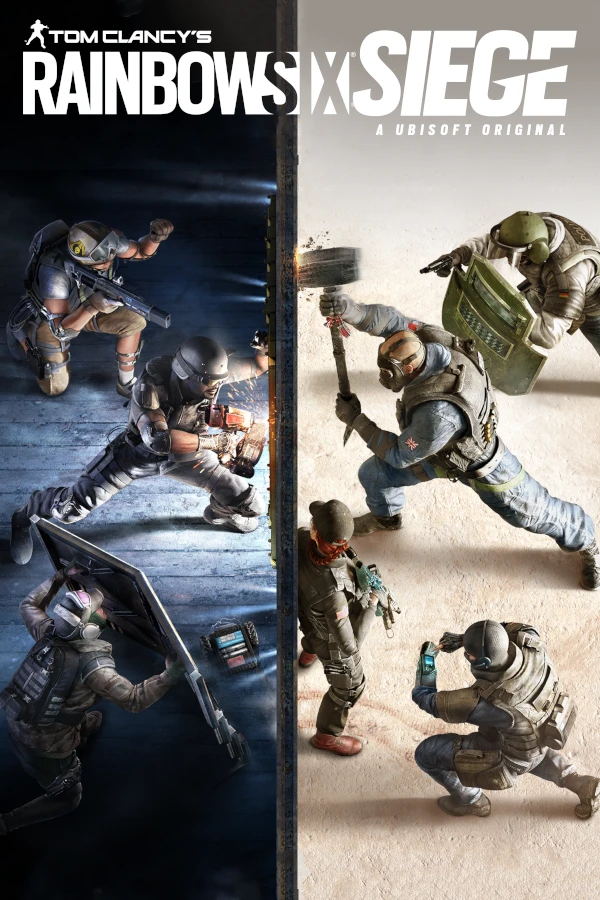
Rainbow Six Siege was released by Ubisoft in 2015 and has evolved significantly over time. Siege prioritizes preparation over speed. Map knowledge and environmental manipulation are core mechanics. Opening a wall or controlling a corner can matter more than winning a gunfight. The game is slow but never empty. Tension is constant. This pace challenges impatient players but offers strong satisfaction to those who adapt. Siege rewards players who think before acting.
Escape from Tarkov: Risk as a Constant
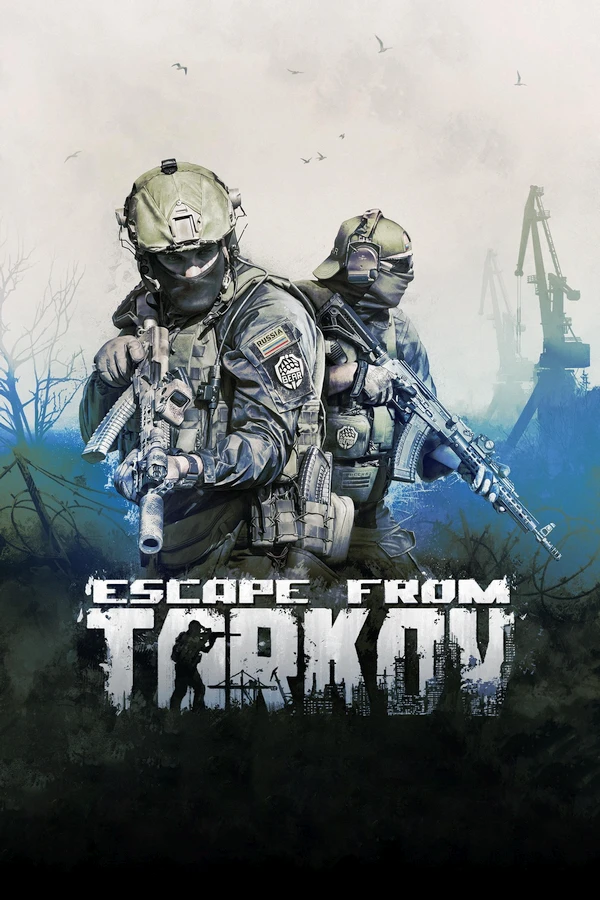
Escape from Tarkov was released in 2017 and introduced a fundamentally different approach to multiplayer FPS design. At its core, the game is not only about combat, but about risk. Every raid carries the possibility of permanent loss, turning equipment and progression into meaningful decisions. Knowing when to disengage is often as important as reaching the extraction point.
This structure keeps players under constant pressure. Carelessness, impatience, or unnecessary engagements come at a high cost. Tarkov rewards composure and calculation rather than quick reflexes. As the game progresses, tension does not fade—it becomes a constant presence.
Insurgency: Sandstorm : Discipline Over Instinct
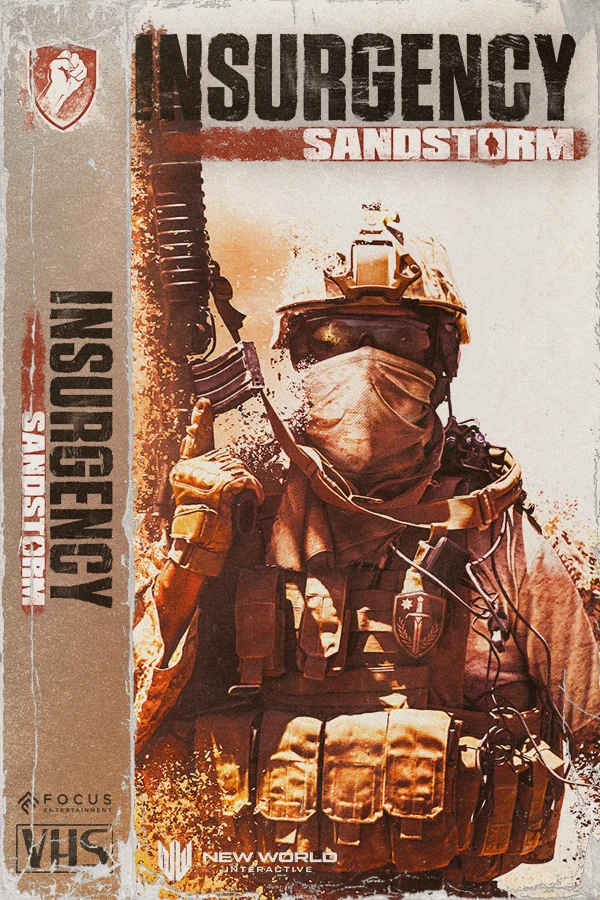
Insurgency: Sandstorm was released in 2018 and presents modern combat through a fast yet unforgiving tactical framework. Maps are compact, escape routes are limited, and every movement produces immediate consequences. Firing a weapon is a choice, but restraint can be just as critical.
The margin for error is minimal. A poor angle, delayed reaction, or broken communication can decide the outcome of a match. Sandstorm demands sustained awareness and punishes undisciplined play. Its severity is not incidental—it defines the experience.
Who Are Tactical / Competitive Games For?
This genre suits players who take competition seriously, embrace learning curves, and analyze their mistakes. It may not satisfy those seeking instant gratification, but it rewards patience deeply. In tactical multiplayer games, winning is not a result—it is a process.
Social Multiplayer Games: Player-Driven Worlds
Games where human interaction matters more than reflexes Social and sandbox multiplayer games do not center on “winning.” What matters is what players experience together. Conversation, tension, and unplanned moments often become the game itself. These titles rely more on human behavior than mechanical skill. Rules tend to fade into the background. Players are given space. What they do, how they play, and what they take from the experience is largely up to them. This freedom can feel liberating or aimless, depending on the player.
Among Us: When Conversation Becomes the Game
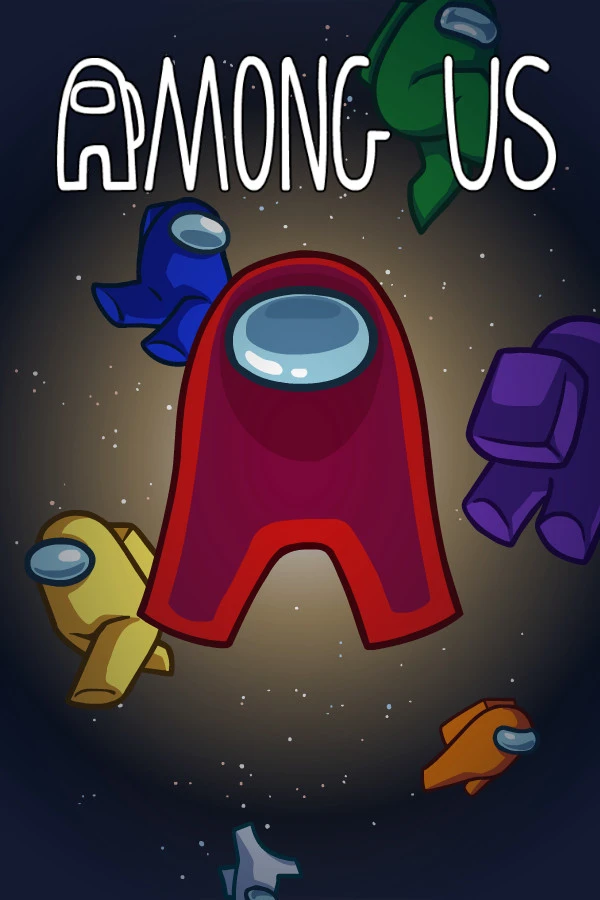
Among Us was developed by Innersloth and released in 2018, gaining major popularity years later through social play. Reflexes barely matter. The game revolves around conversation, persuasion, and suspicion. How a player explains an action can be as important as the action itself. Poor choices can appear innocent when defended well. Played alone, the experience falls flat. Among Us thrives in groups, especially with voice communication. Each session creates a new story, driven not by code but by players themselves.
Rust: Survival Shaped by Players
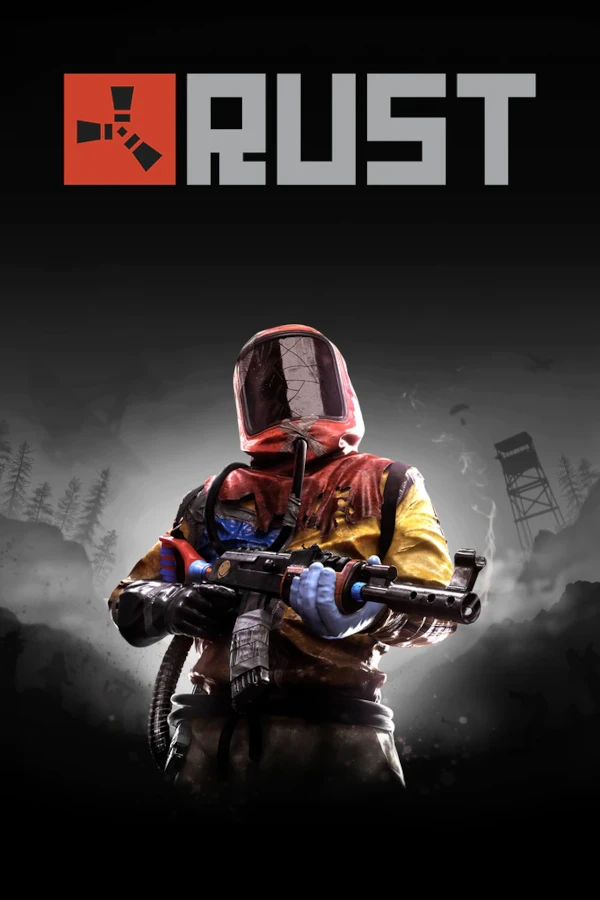
Rust first entered early access in 2013 and reached its full release in 2018. The game treats survival as more than a matter of gathering resources. The real challenge emerges through interactions with other players, where trust is fragile and rarely permanent.
There are no fixed rules governing behavior. Order is not enforced but negotiated—or imposed—by players themselves. Cooperation and betrayal coexist, shaping an unstable social environment. In Rust, power is gained not only through weapons, but through the ability to read human behavior.
Minecraft: A World Shaped by Players
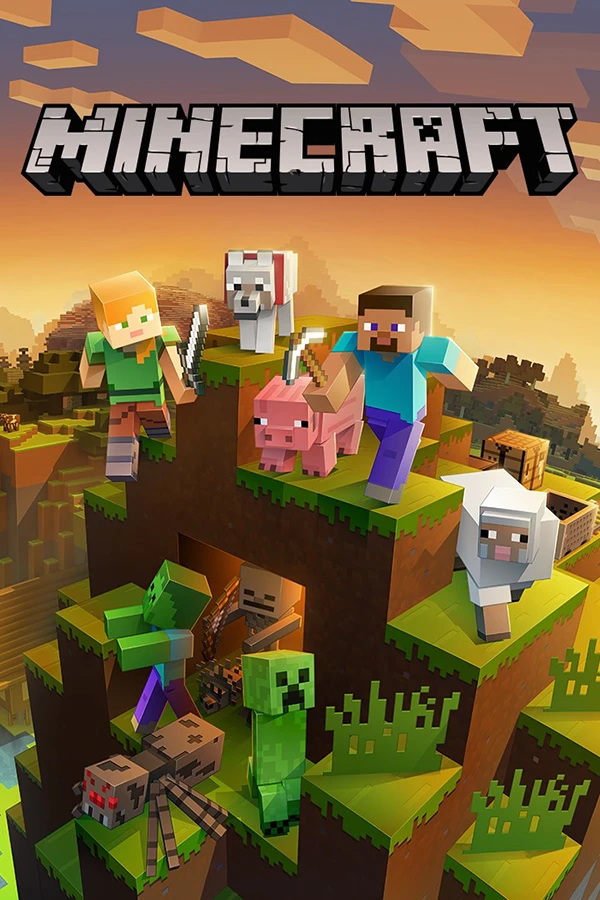
Minecraft was developed by Mojang and officially released in 2011. The game does not impose a fixed objective on players. Survival, building, exploration, or simply spending time together are all equally valid paths. This open-ended structure places Minecraft outside traditional game definitions.
Rules are not enforced by the system but formed by the community itself. Servers develop their own cultures through player behavior and social interaction. Progress in Minecraft gains meaning not through reflexes, but through shared creation and collective experience.
Grand Theft Auto Online: A Shared City
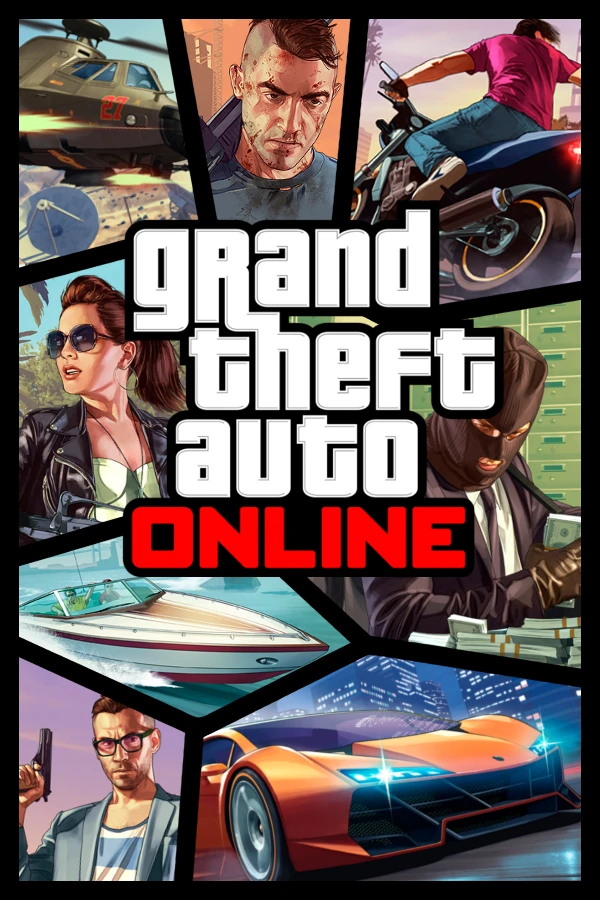
Grand Theft Auto Online was developed by Rockstar Games and released in 2013. By transforming the single-player GTA universe into a shared online space, it expanded the idea of social sandbox multiplayer. Players coexist in the same city with entirely different intentions.
Chaos and structure exist side by side. Cooperation, conflict, and spontaneous encounters constantly overlap. In GTA Online, stories do not emerge from scripted missions alone, but from how players react to one another inside an open system.
Garry’s Mod: A Player-Created Space
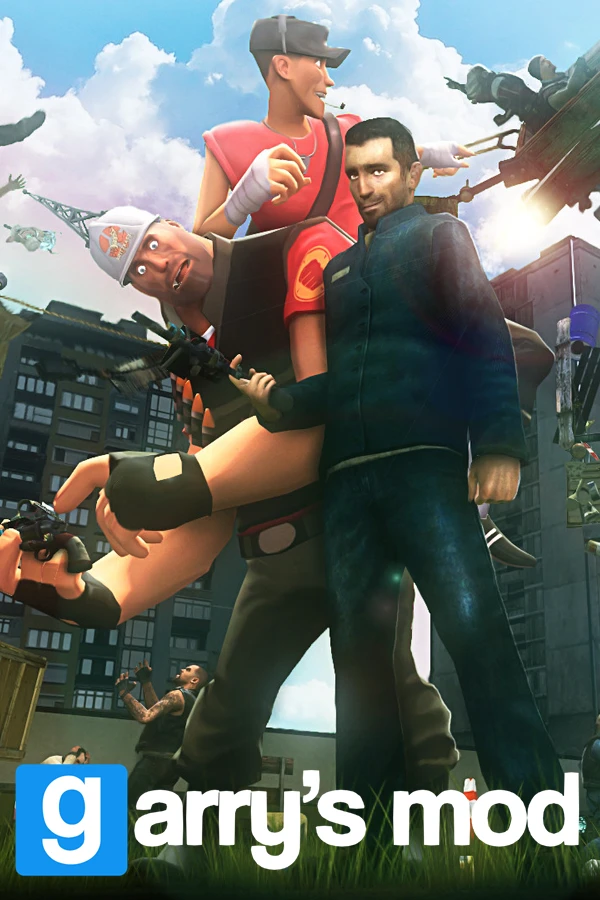
Garry’s Mod was developed by Facepunch Studios and released in 2006. Although technically built on an existing game engine, it gradually evolved into an independent social space shaped almost entirely by its players.
There are no defined goals and no winning conditions. The game provides a framework; the experience is created by those inside it. Garry’s Mod represents one of the purest forms of sandbox multiplayer, where social interaction consistently outweighs mechanical challenge.
Who Are Social & Sandbox Games For?
These games suit players who value shared moments over competition. They are best experienced in groups, where interaction defines the experience. In social multiplayer games, there are no winners. Only moments worth remembering.
The Point Where Multiplayer Takes Shape
Multiplayer game types are not just design categories; they shape how players relate to each other inside a game. Whether the experience is built on competition, cooperation, or shared presence, each structure creates a different rhythm, pressure, and expectation. Recognizing these differences clarifies what multiplayer actually offers — not in theory, but in practice. At that point, the choice is no longer about the game itself, but about the kind of interaction you are ready to take part in.
If exploring how people play together sparked your interest, you can also browse different multiplayer experiences directly in the Play Games Online section.