
Online Shopping Transformation
Shopping has become a digital reflex.
Neslihan Kara · Published: January 1, 2026 · 4 min read
In recent years, I have observed a clear shift in shopping behavior. This change cannot be explained solely by the growth of digital platforms. The real transformation lies in how decisions are made, how expectations are formed, and how shopping fits into everyday life. Today, online shopping has become the most visible and natural reflection of this shift.
This article examines the changes in shopping behavior and the reasons why this transformation has become lasting.
Shopping is no longer an activity focused only on meeting immediate needs. Over time, it has evolved into a behavioral pattern shaped by decision-making habits, expectations around speed, and changing access routines. To understand this shift, it is necessary to look beyond platforms and focus on how people think and act during the shopping process.
Decision Timing
In the past, shopping required time. Products were examined, alternatives were compared, and decisions were often postponed. In digital environments, this structure has changed. Access to information has accelerated, and options have become visible at the same time.
online shopping has made decision-making easier through this speed. However, as speed increased, the evaluation phase became shorter. Today, many decisions are based less on extended comparisons and more on a simple question: “Does this meet the need?” This pattern is also evident in global studies on consumer behavior, particularly in analyses published by Think with Google analises, which clearly reflect this shift.
Shorter decision times do not necessarily indicate superficial choices. On the contrary, users gradually clarify which criteria matter most to them. This results in decisions that are faster yet more focused.

Choice Effect
An increase in options does not always lead to better decisions. After a certain point, users tend to move away from detailed comparisons and toward the first option they consider reliable.
This behavior is no longer an exception in digital commerce but a widespread pattern. Especially in categories where product differences are minimal, decisions are increasingly shaped by the overall experience rather than by specifications alone.
Trust Structure
In digital environments, trust is not built through face-to-face interaction but through how systems operate. User reviews, rating mechanisms, return policies, and payment infrastructure form the foundation of this structure.
For this reason, online shopping is evaluated less by brand recognition and more by how transparent and consistent the process is. The shift from “Who is selling?” to “How does the process work?” is also emphasized in OECD studies examining digital consumer trust.
Over time, this trust model has become increasingly standardized. As uncertainty decreases, users become more open to trying new brands.
Experience Priority
In digital shopping, experience is defined primarily through measurable factors. Delivery time, product accuracy, and clarity in return procedures directly influence post-purchase satisfaction.
This structure turns shopping into a more systematic and comparable process. Users assess not only the product itself but the entire journey.
As experience expectations rise, even small issues become more noticeable. This makes process management a critical concern for platforms and brands.
Invisible Growth
A significant portion of online transactions takes place unnoticed within daily routines. Small purchases may not feel as tangible as those made in physical stores.
As a result, online shopping becomes a habit that increases consumption frequency while often escaping immediate awareness. This trend is also visible in global platforms tracking digital spending behavior.
This invisibility creates a new area of attention in terms of budget control.
Mobile Impact
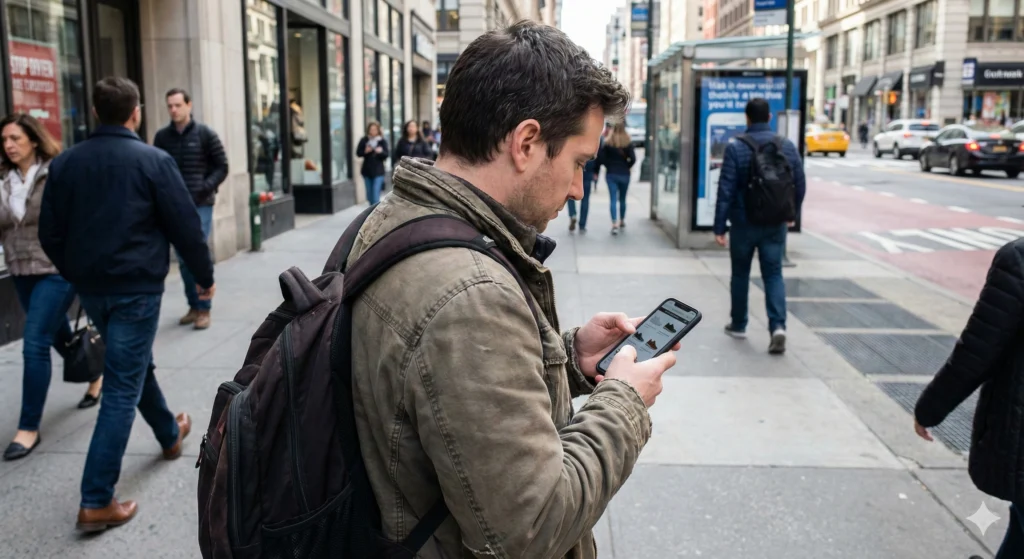
Mobile devices have made shopping accessible at any moment. Reviewing products, comparing prices, or completing purchases is no longer tied to a specific time or location.
This ease of access increases the rate of impulsive decision-making. As the distance between decision and transaction narrows, shopping behavior becomes more fluid. This trend is also reflected in data regularly published by Statista on mobile commerce.
Mobile usage causes shopping to blend more deeply into everyday life.
Physical Role
Physical stores have not disappeared, but their role has changed. Many users now visit stores to see or try products before completing the purchase digitally.
This demonstrates that shopping is no longer confined to a single channel. Physical and digital environments no longer compete; they complement one another.
Control Perception
Digital platforms provide a sense of control through order tracking, notifications, and return management. However, this control is largely concentrated on the post-purchase phase.
The evaluation stage before purchase tends to be shorter due to speed. At this point, online shopping creates a balance that requires attention between speed and control.
Users tend to feel more secure when they can follow the process clearly.
Expectation Level
Digital competition has raised expectations. Fast delivery, clear communication, and accessible support are no longer advantages but accepted standards.
Failure to meet these expectations can quickly reduce perceived value and influence overall experience.
Brand Loyalty
Easy access to alternatives has weakened traditional brand loyalty. Users increasingly prioritize immediate value over long-term attachment.
For brands, this makes consistency and process quality more important than ever. Loyalty is shaped less by habit and more by satisfaction.
Spending Control
Digital payments can feel less tangible than physical ones, making budget tracking more difficult. For this reason, online shopping should be viewed not only as a convenience but also as a habit that requires conscious management.
Without supportive tools, spending awareness can easily diminish in digital environments.
The Bigger Picture
The changes observed in shopping habits are not temporary trends. Digital environments have permanently reshaped consumer behavior. Understanding this shift accurately forms the foundation for healthier decisions for both individuals and businesses.
If you are interested in how this transformation from shopping to market dynamics reflects within the business world, you may also explore the broader perspective available on the Business page.