The Impact of Digital Habits on Daily Life
Are we aware ?
Neslihan Kara · Published: January 2, 2026 · 6 min read
When I look back at the small behaviors I repeat throughout the day without really noticing, I see how quietly my life is being shaped. Reaching for my phone the moment I wake up, checking the screen even when there is no notification, or turning to an app every time there is a brief pause have become unquestioned actions. Each of these moments makes me think about something simple but important: daily life does not unfold as spontaneously as we assume. Over time, a Digital habit forms and settles in, influencing the way we think, relate to others, and even connect with ourselves. This influence is rarely sudden. It moves slowly, quietly, and almost invisibly.
There is no denying the convenience the digital world offers. Access to information, communication, and creation has become easier than ever. But when the word “habit” enters the picture, the nature of this relationship changes. A habit is no longer a conscious choice; it becomes an automatic behavior. For me, the issue is not technology itself, but the relationship I build with it and how aware I am of that relationship. How many of my daily choices are truly mine, and how many are subtly guided? The answers to these questions play an important role in understanding my place within the digital order.
Digital Habit and the Perception of Time
Time flows differently in digital spaces. When I enter a platform just to watch a single video and leave half an hour later, I often cannot recall how that time passed. This is not because time actually speeds up, but because my perception becomes fragmented. A Digital habit breaks time into pieces. The day turns into a sequence of small, scattered moments of attention. Focusing on a single task becomes harder because my mind is constantly waiting for the next stimulus.
At this point, attention becomes a critical concept. Attention is not an unlimited resource. When it is continuously interrupted, the ability to think deeply weakens. Staying with a single idea requires patience, yet digital environments reward speed rather than patience. Short content, rapid consumption, and instant gratification begin to shape the rhythm of daily life. When I pay attention, I notice that the exhaustion I feel at the end of the day is often not physical, but mental.
This effect is not only personal. Institutions such as the World Health Organization and Pew Research Center frequently address the connection between attention span and digital intensity in their publications. When I look at these sources, it becomes clear that as time spent in digital environments increases, mental fatigue tends to rise as well. Here, the issue is not duration alone, but continuity. Small, repeated interactions throughout the day accumulate into a significant overall impact.
Digital Habit and Mental Load
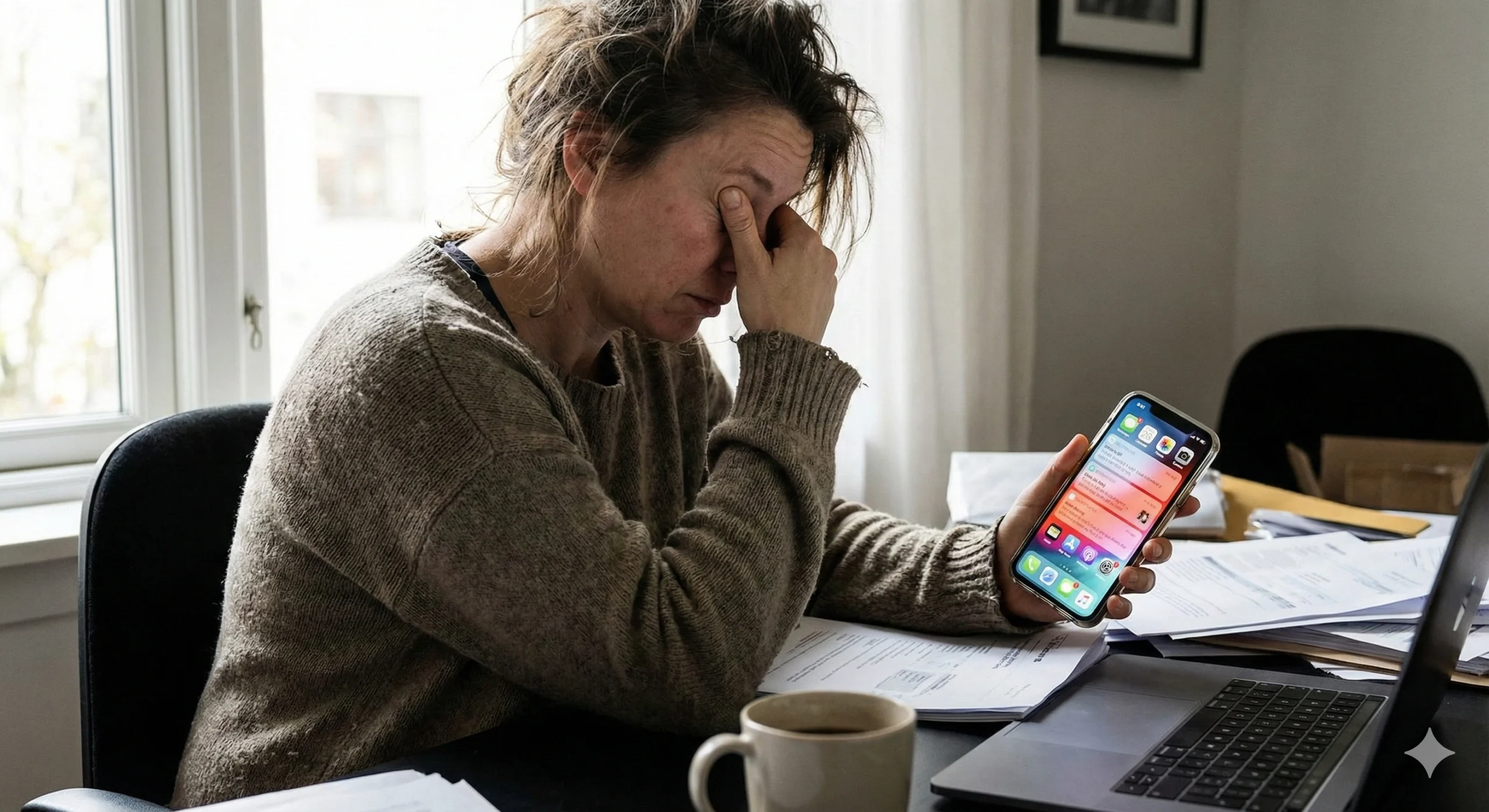
Throughout the day, my mind tries to cope with the amount of information it is exposed to. Notifications, news feeds, and constantly updated content create a kind of mental noise without me fully realizing it. A Digital habit normalizes this noise. Silence begins to feel like a lack, even though silence is where the mind regains its balance.
This intensity also affects decision-making processes. Even simple choices can start to feel more exhausting because my mind is already full. This mental load may show up as impatience or low tolerance in daily life. When I look inward, I often realize that during moments when I feel tired, there is no clear physical reason. The real burden is mental.
This is why the idea of digital detox is often discussed. For me, however, the goal is not complete disconnection, but restructuring the relationship. Removing technology from my life is not realistic, but reshaping the way I engage with it is possible. That change usually begins with small moments of awareness. Even something as simple as turning off notifications during certain hours can create a noticeable difference.
Among the studies addressing this topic are reports published by the American Psychological Association. The link between mental load and digital intensity is also supported by scientific research. This information helps me place my personal experience within a broader and more meaningful context.
Digital Habit and Social Relationships
Relationships take on a different form within the digital order. As messaging becomes easier, face-to-face conversations can be replaced by shorter and more superficial interactions. A Digital habit can accelerate communication while reducing its depth. Looking at a screen while someone is speaking has become an ordinary behavior. This does not only affect the person in front of me; it affects me as well.
Connections formed through social media do not fully replace real-life relationships. In some cases, they even feed a sense of comparison. Constant exposure to other people’s lives can place an invisible distance between my own life and theirs. Over time, this distance may turn into dissatisfaction. I do not blame any particular platform here; instead, I question my own patterns of use. Because the same tool can create entirely different outcomes depending on the habit formed around it.
This is where individual awareness becomes essential. Who I communicate with, how often, and in what way is directly connected to my digital behaviors. The quality of my social relationships often feels like a reflection of my online habits. When I recognize this, I notice that even small changes can bring a sense of relief.
Many people try to establish this balance in daily life. Research conducted by Harvard University also emphasizes the role of face-to-face interaction in psychological resilience. Studies like these help me see the difference between digital and physical relationships more clearly.
Searching for Balance in Daily Life
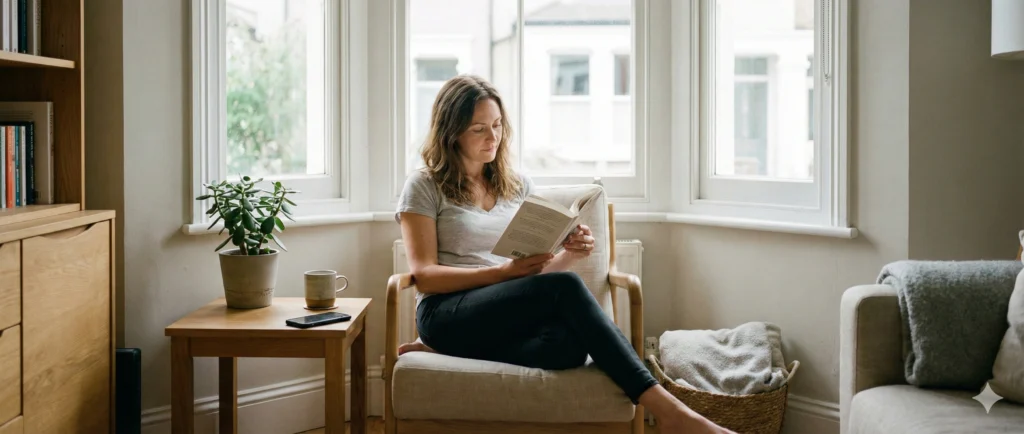
At the end of the day, the issue is not fighting technology. What truly matters is how much control I retain over daily life. A Digital habit, when left unnoticed, can become a force that quietly directs life. When it is recognized, it can be reshaped. This awareness invites me into a calmer and more intentional rhythm.
In my own life, I prefer to take small steps. I remind myself that not every empty moment needs to be filled. Waiting, thinking, and even feeling bored are also part of being human. When digital environments eliminate these states, what remains is constant engagement. Yet I believe life is also made up of spaces and pauses.
This search for balance is a personal process. Everyone’s needs are different. What matters is recognizing the point at which habits become automatic. That awareness makes daily life more livable. Content discussed in sections such as Technology and Lifestyle also approaches this search for balance from different angles.

What Remains
When I look back today, one thing becomes very clear: a Digital habit can quietly place itself at the center of life. It is neither entirely good nor entirely bad. What defines it is the relationship it forms with me. Daily life takes shape as a result of that relationship. My sense of time, my relationships, and my mental state all become natural reflections of my digital behaviors.
For this reason, the issue is not having more or less technology. The real issue is awareness. As awareness grows, choices become clearer. Daily life slowly regains a rhythm that feels like it belongs to me again. That rhythm is not perfect, but it is real. And for me, that is what matters most.