

8 min read
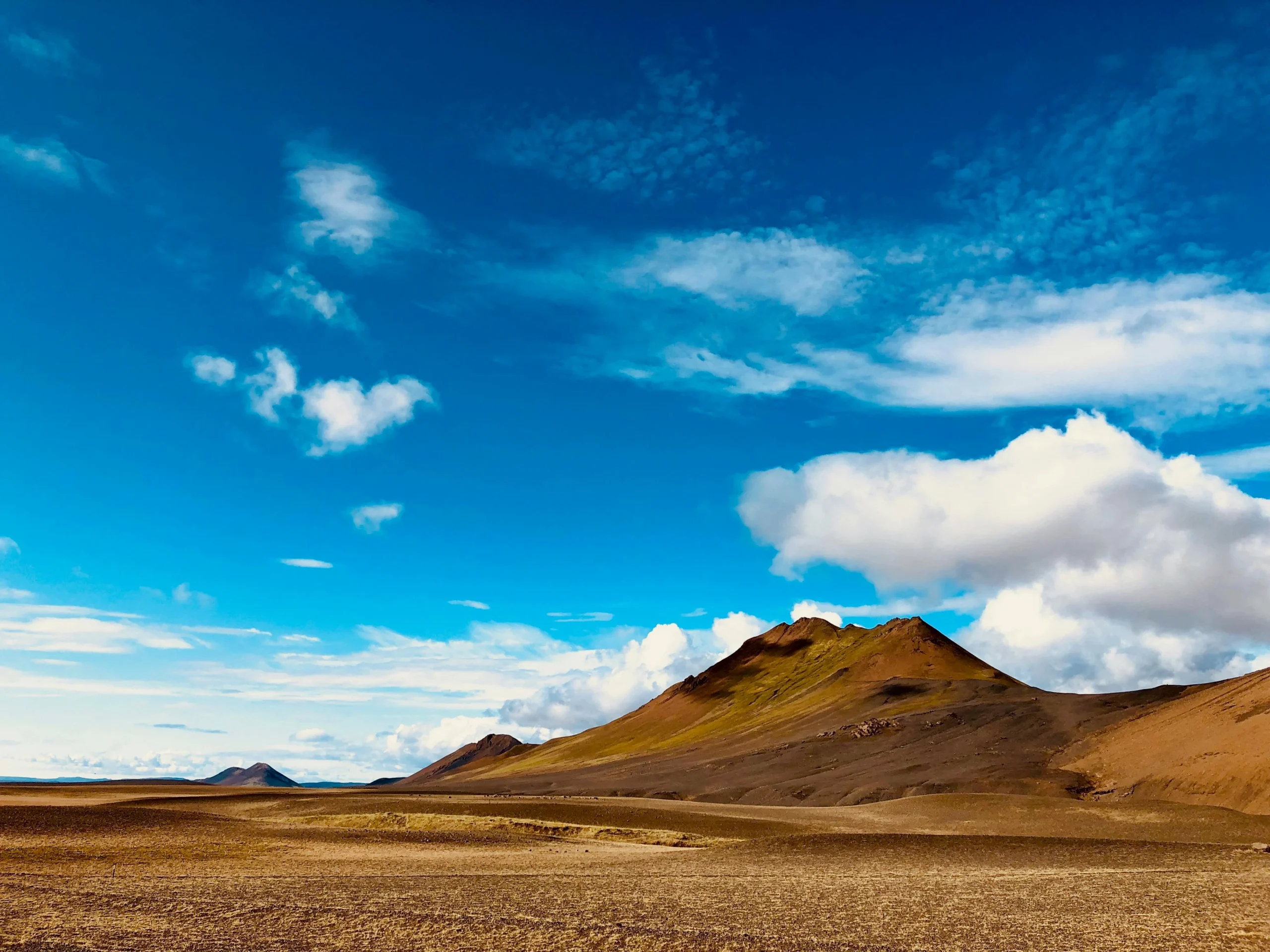
Iceland is not a destination you casually add to a list. It is a place that either pulls you in completely or quietly intimidates you before you even go. The landscapes feel unfinished in a way that makes you question scale, distance, and even time itself.
Planning a trip here is not complicated in theory, but the margin for mistakes is higher than in most countries. Prices are sharp, weather is unpredictable, and logistics matter more than people expect. If you approach it casually, it becomes expensive and exhausting. If you approach it with clarity, it becomes one of the most precise travel experiences you can build.
This guide is not here to decorate Iceland. It is here to show you exactly what you are stepping into.
Quick Summary
- Visa: Schengen visa required for some nationalities; strict documentation consistency matters
- Daily budget: €120–€400+ depending on travel style
- Transport: Renting a car is strongly recommended for flexibility
- Best stay strategy: Combine Reykjavík with south coast locations
- Food: Simple, expensive, and mostly seafood-based
- Key challenge: Costs and logistics, not complexity
Visa, Entry Requirements and Practical Basics
Iceland is part of the Schengen Area. That single fact defines your entry process.
If your nationality requires a Schengen visa, you apply through Iceland’s consular representation or a partner country handling applications on its behalf. The process is standard: biometric data, travel insurance, accommodation proof, and a clear itinerary. What is not standard is how seriously Iceland takes documentation consistency. Your bookings, travel dates, and financial proof must align cleanly. Loose plans increase rejection risk.
For visa-free travelers, entry is straightforward but not careless. Border control may ask for return tickets, accommodation details, and proof of funds. Iceland is not a country where arriving “without a plan” feels comfortable.
Quick facts:
Currency: Icelandic Króna (ISK)
Cards: Widely accepted, even for small purchases
Cash: Rarely needed
Language: Icelandic, but English is widely spoken
Power plug: Type F (European standard)
One important detail many miss: Iceland runs efficiently, but not cheaply. Your financial preparation is part of your entry readiness, even if no one explicitly asks for it.
Getting There and Moving Around the Country
Reaching Iceland is easy. Moving inside it is where decisions start to matter.
Flights land almost exclusively at Keflavík International Airport, about 45 minutes from Reykjavík. From there, you either take an airport shuttle or rent a car. That choice defines your entire trip.
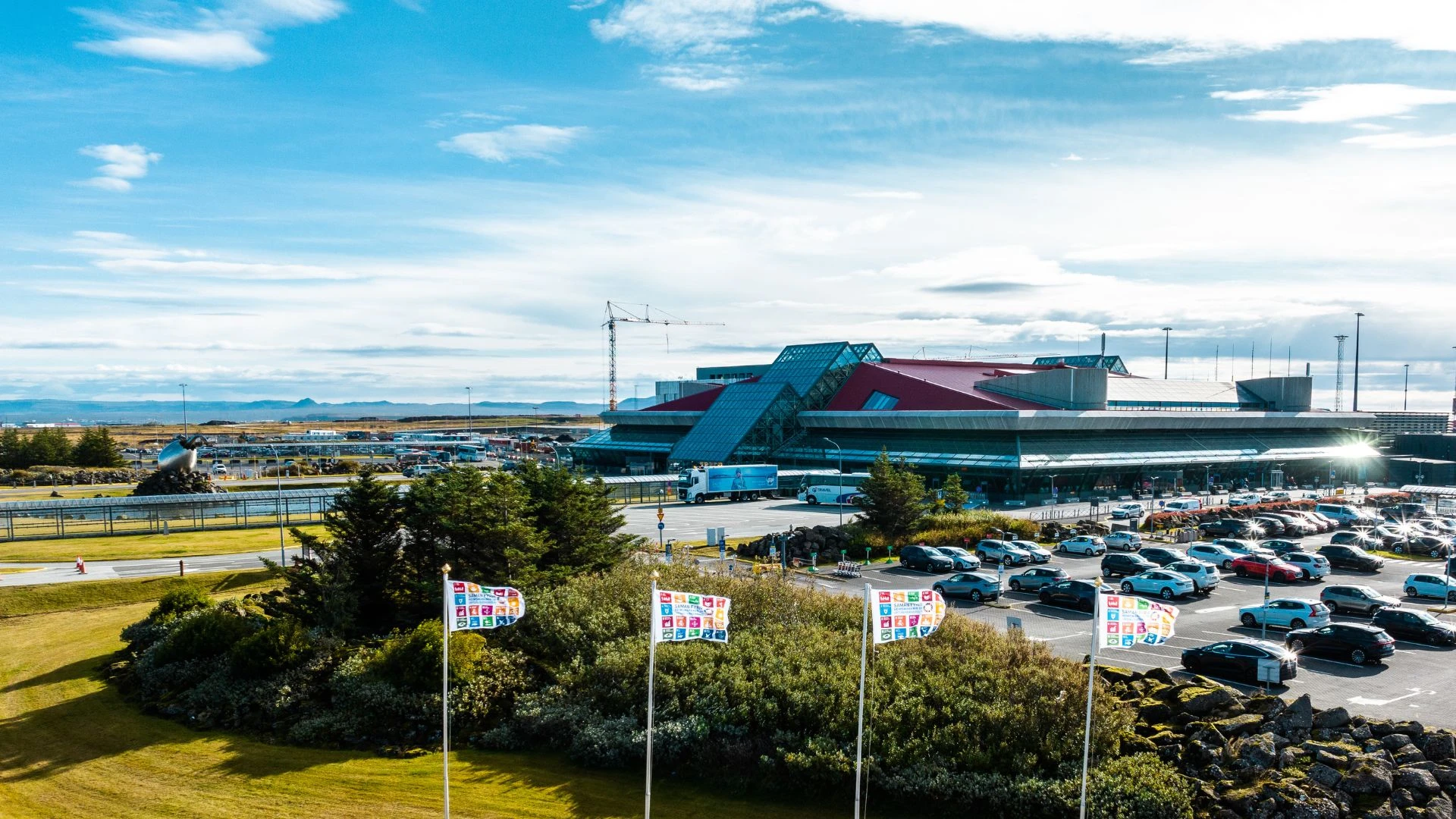
Public transport inside Iceland is minimal and not designed for travelers. If you rely on buses, your movement becomes restricted and slow. Iceland is a country built for self-navigation.
Car rental is not optional if you want freedom. But it is not just about renting a car. It is about understanding conditions. Roads outside Reykjavík can shift from perfect asphalt to gravel quickly. Weather changes can close routes without warning.
Quick reality check:
Driving in Iceland = flexibility
Not driving = limited experience
Fuel is expensive. Distances are longer than they appear on maps. And if you plan to explore beyond the south coast, you need to factor in time, not just kilometers.
This is not a country you “see quickly.” It forces you to move with intention.
Costs: What It Actually Takes to Travel in Iceland
Iceland is one of the most expensive travel destinations in the world. That is not an exaggeration—it is the baseline.
Accommodation, food, transportation, and even small daily expenses accumulate fast. The mistake people make is thinking they can “adjust once they arrive.” You cannot. Iceland does not offer many budget correction opportunities.
| Category | Average Cost |
|---|---|
| Accommodation | €80–€250+ |
| Food | €20–€50 per meal |
| Car Rental | €50–€120 per day |
| Fuel | High |
Accommodation is the biggest expense. Even simple guesthouses can cost more than full-service hotels in other countries. Car rental and fuel follow closely behind.
Food is where expectations often break. A basic meal at a casual restaurant can easily cost €20–€35. Coffee is not cheap. Groceries help, but even supermarkets are expensive compared to most of Europe.
What saves you money is not cutting things—it is planning structure:
Book accommodation early
Choose locations strategically
Combine driving routes efficiently
Iceland rewards efficiency. It punishes improvisation.
Where to Stay: Reykjavík or Beyond?
Most travelers default to Reykjavík, and that is understandable. It is the only real city in the country. But staying only in Reykjavík limits what Iceland actually offers.
Reykjavík works well as a base for short stays or if you prefer comfort, restaurants, and easier logistics. It has a strong food scene, clean infrastructure, and a compact center that is easy to navigate.
But Iceland is not about its capital.
The moment you leave Reykjavík, the experience shifts completely. Staying along the south coast—places like Vik or Selfoss—brings you closer to waterfalls, black sand beaches, and glacier routes. Northern regions offer quieter, more isolated landscapes with fewer crowds.
Accommodation types vary:
Guesthouses (most common and practical)
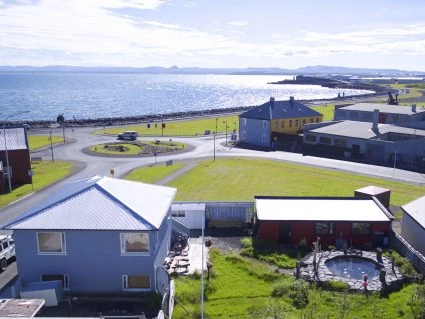
Farm stays (more local and atmospheric)
Hotels (limited and expensive)
Key insight:
Where you stay determines how Iceland feels.
If you stay only in Reykjavík, Iceland feels like a clean, distant country.
If you move across regions, it feels raw, open, and unforgettable.
Accommodation Costs in Iceland (2026)
| Type | Price (Per Night) |
|---|---|
| Budget (hostel / basic) | $70 – $120 |
| Guesthouse | $100 – $180 |
| Mid-range hotel | $150 – $300 |
| Reykjavik central hotel | $250 – $400 |
| Luxury stay | $400+ |
Prices vary significantly depending on season, location, and availability, but these reflect real average costs in 2026.
What to Eat in Iceland (and What to Expect)
Icelandic food is often misunderstood. It is not built around variety—it is built around survival, climate, and simplicity.
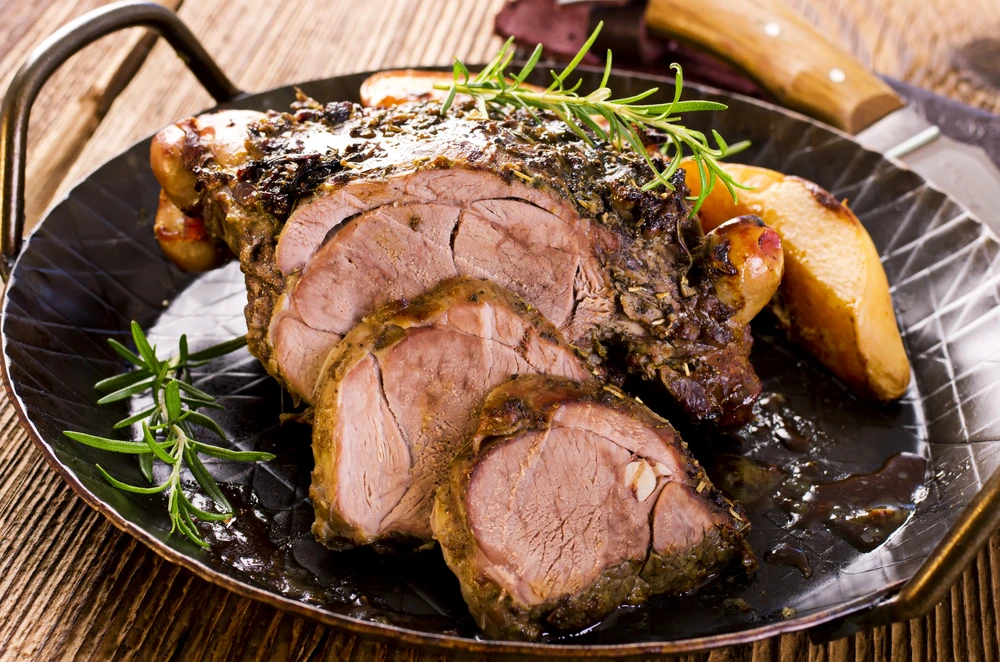
Seafood dominates the menu. Fresh fish, especially cod and salmon, is reliable and often excellent. Lamb is another central ingredient, known for its clean, natural taste due to the way animals are raised.
You will not find heavy spice or complex sauces. Icelandic cuisine is direct.
Common dishes:
Fish soup (simple, warm, consistent)
Grilled lamb
Skyr (a dairy product similar to yogurt, but thicker)
Street food exists but is limited. The famous Icelandic hot dog is one of the few accessible budget options, and it is actually worth trying—not because it is exceptional, but because it reflects local eating habits.
Restaurants are clean, minimal, and efficient. Service is not overly warm, but it is reliable.
One thing to adjust mentally:
You are not traveling to Iceland for food experiences. You are eating to support the experience around you.
What to Expect When You Actually Arrive
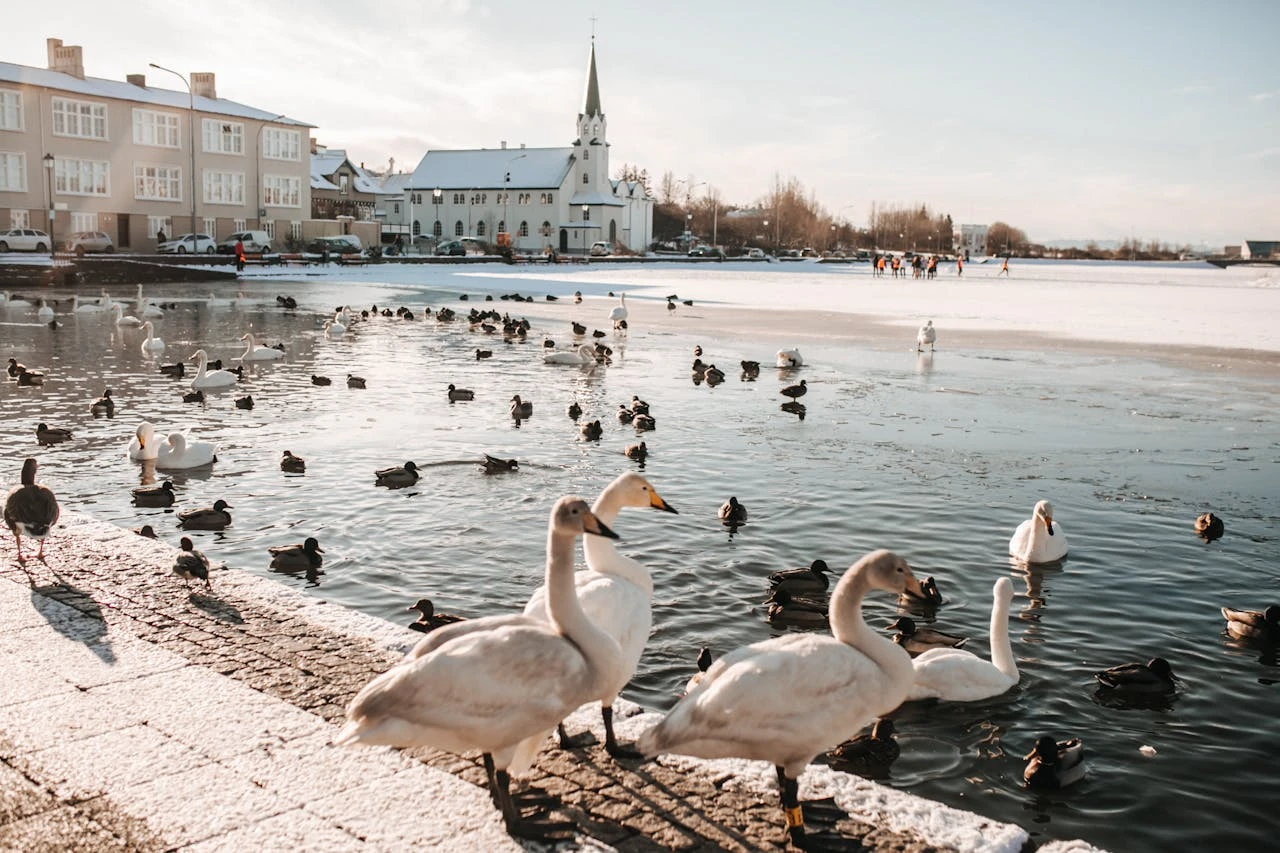
Iceland does not overwhelm you with noise or crowds. It does something else—it removes distractions.
The landscapes are not just “beautiful.” They are quiet in a way that feels almost unnatural at first. You start noticing space more than objects. Distance more than detail.
Weather is unpredictable. It can shift from clear skies to wind and rain within hours. That unpredictability becomes part of the rhythm, not an inconvenience.
Infrastructure is strong but minimal. You will not find constant services everywhere. Gas stations can be far apart. Restaurants can close early outside main areas.
And yet, everything works.
People are reserved but not distant. English is widely spoken, and interactions are smooth, even if they are not overly expressive.
What stands out most is this:
Iceland does not try to entertain you. It allows you to experience it.
That difference defines the entire trip.
What You Should Definitely See (Without Turning It Into a Checklist)
There are places everyone mentions, and for good reason. The Golden Circle, waterfalls like Skógafoss and Seljalandsfoss, black sand beaches near Vik, glacier lagoons like Jökulsárlón.
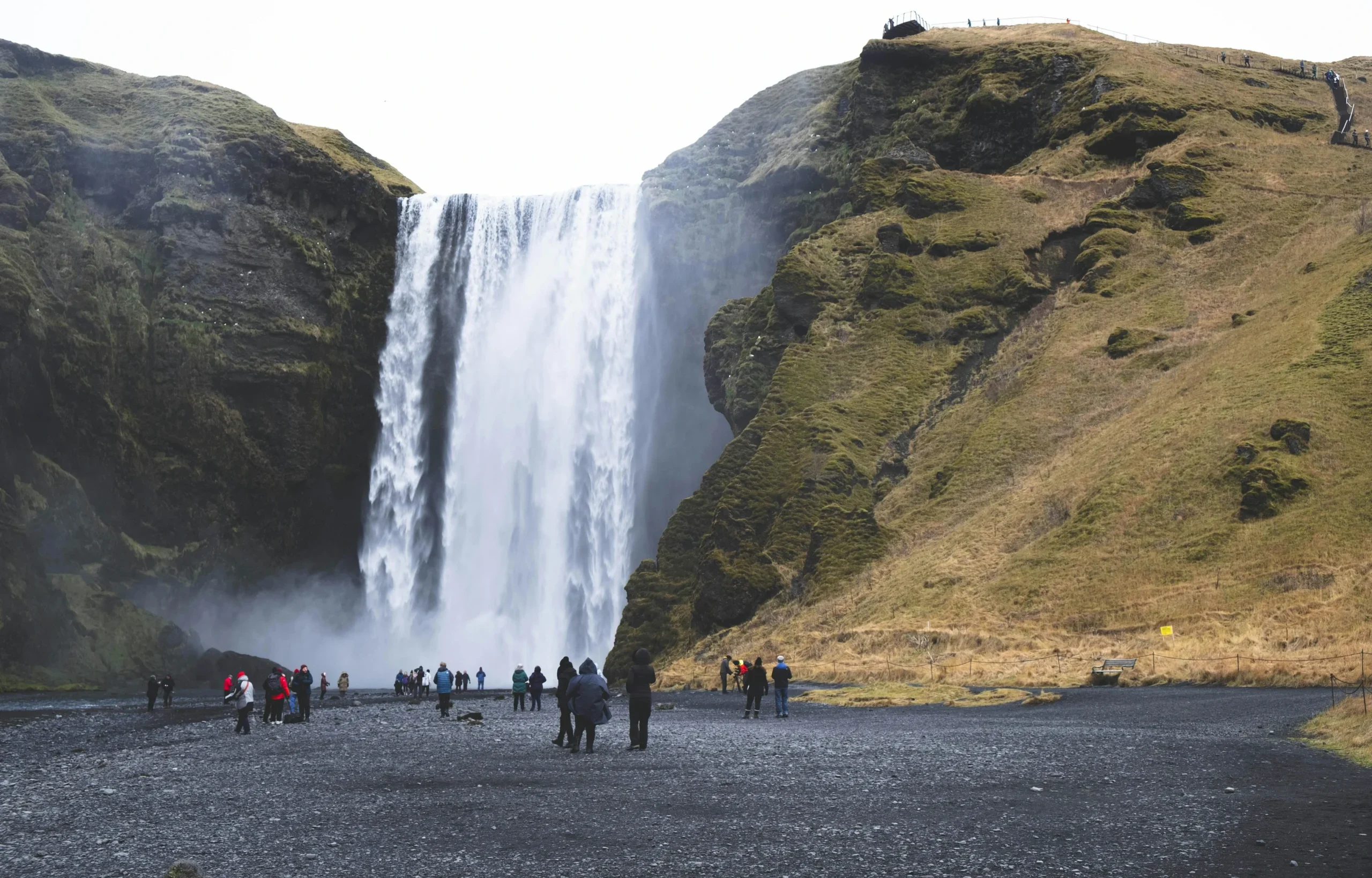
But the value is not in ticking these off.
It is in how you approach them.
Driving between locations often becomes more memorable than the locations themselves. Stopping randomly, watching light change across a landscape, or simply standing in silence somewhere remote—these moments define Iceland more than any “must-see” spot.
If you approach it like a checklist, Iceland feels repetitive.
If you approach it like a moving experience, it becomes layered.
Final Thoughts
Iceland is not difficult to visit, but it demands clarity.
It is expensive, sometimes unpredictable, and occasionally uncomfortable. But none of these are flaws. They are part of what keeps the experience intact.
If you go expecting convenience, you will notice the limits.
If you go prepared, you will notice the depth.
This is not a country that tries to impress you.
It simply exists as it is—and expects you to meet it there.
Frequently Asked Questions
If your country is not visa-exempt, you need a Schengen visa. The process is standard, but documentation must be consistent and clearly aligned.
Yes. Iceland is one of the most expensive travel destinations in the world, and costs are difficult to reduce once you arrive.
It is possible, but highly limiting. Public transport is minimal, and most key locations require independent travel.
Yes. Iceland is considered one of the safest countries, but natural conditions like weather and remote areas require awareness.