
7 min read
VR and AR gaming in 2026 looks nothing like the industry kept promising for a decade. No single device changed everything. Three quiet shifts finally lined up at the same time: smart glasses crossed into the mainstream, mixed reality stopped being a demo and became a real genre, and the headset market split into lanes nobody can pretend are interchangeable anymore.
If you’re buying a headset this year, planning coverage around this space, or just trying to figure out whether spatial computing is real yet — this is the piece I wish someone had written for me.
The Market Actually Matters Now
For years, VR numbers were a running joke. Analysts predicted hockey-stick growth, shipments flatlined, repeat. That pattern broke. Global XR device shipments grew according to IDC 33.5% in 2026, and the AR/VR market is tracking toward $118 billion this year. with a credible path to nearly $700 billion by 2035.
Here’s the part most coverage gets wrong: almost none of that growth is coming from traditional headsets. Smart glasses — the Ray-Ban Meta style, camera-first, display-optional category — are doing the heavy lifting. Headsets grow steadily. Smart glasses are exploding.
That distinction matters because it tells you where attention is going. If you’re still writing about VR the way you did in 2022, you’re writing about a shrinking share of the conversation.
The Three-Headset Problem, Settled
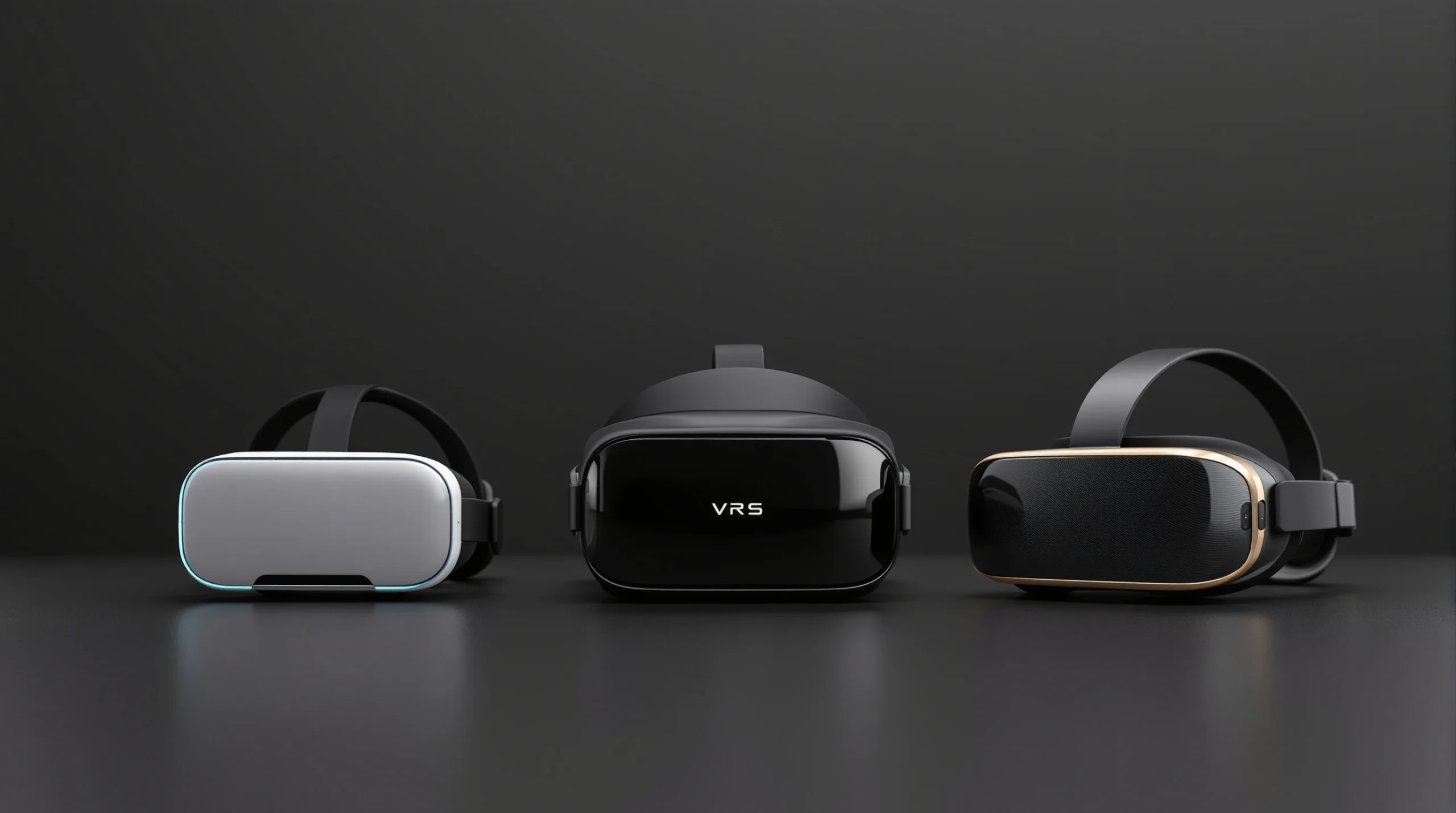
Every month someone publishes a Meta Quest 3 vs PSVR2 vs Apple Vision Pro comparison, and every month it reads like a spec sheet. After actually living with all three, the answer is less diplomatic than the internet pretends.
Meta Quest 3 is the only headset most people should buy. 500+ native titles, full PC VR access through Link or Air Link, standalone freedom, and a price that isn’t embarrassing. It’s not the best at anything specific. It’s the best at everything that matters.
PSVR2 is a luxury item for PS5 owners who also love racing or horror. Gran Turismo 7 in VR is a genuine argument for the platform. Resident Evil Village is astonishing. But the library is locked to roughly 100 curated exclusives, the PC adapter is a $60 apology for a missing feature, and Sony has been quiet about first-party support in a way that should concern anyone buying in.
Apple Vision Pro is not a gaming device, and stopping the argument here would be kind. Its spatial app store has around 50 games, none of them traditional shooters, none of them meaningful multiplayer. It’s a productivity and media device that happens to run Demeo beautifully. If you want to play VR games, do not buy a Vision Pro. If you want to work in spatial computing or watch films in a way nothing else can match, it’s unrivaled.
The honest verdict: Quest 3 for gamers, PSVR2 for PlayStation loyalists, Vision Pro for people whose relationship with computing is more important than their relationship with games.
What Actually Got Good This Year
The lazy version of this section is a top 10 list. Here’s what actually deserves your attention, and why.

PAYDAY: Aces High turned co-op heists into a genre VR can genuinely own. Four-player, physically demanding, and the first multiplayer game since Population: One to build a persistent community that survives past launch week. The reason it works: it treats your hands as tools, not cursors.
Compass is the quiet masterpiece of the year. An open-world piloting adventure where you grapple between floating islands, upgrade a ship, and lead a caravan through genuinely uncharted design territory. It’s the first VR game in a long time that feels like it was conceived for VR rather than ported into it.
A Long Survive is brutal in a way VR has been afraid to be. Co-op horde action with real consequences, real stamina systems, real mistakes that cost you runs. It will not be for everyone. The people it’s for will talk about it for years.
Beyond these, the mixed reality category finally produced games worth owning. Hand tracking, passthrough, and room-scale integration have matured to the point where the best MR titles feel less like tech demos and more like a new medium finding its language.
What hasn’t landed is just as telling. No system-seller exclusive from Meta. No PSVR2 Astro Bot-level surprise. No Half-Life: Alyx successor from Valve, though leaks around the Deckard headset suggest 2027 is the real date to watch.
Smart Glasses Are Eating the Conversation
The interesting thing about Meta’s Ray-Ban partnership isn’t the product. It’s that the product worked. Millions of pairs sold, a software ecosystem people actually use, and a clear roadmap toward glasses with displays that could make phones feel redundant by the end of the decade.
Xreal, Rokid, and Viture are producing smart glasses with high-quality displays for under $500 that work as wearable monitors for Steam Deck, PlayStation Portal, and phones. These aren’t VR devices. They aren’t AR devices in the sci-fi sense. They’re a new thing personal displays you wear and the category is growing faster than any headset segment ever did.
If you’re covering this industry and ignoring smart glasses, you’re ignoring the part of it that’s actually growing.

Mixed Reality Is the Real Medium
Pure VR cut off from your room, fully immersed turned out to be a niche. Not small, not dying, but niche. The mainstream version of spatial computing is mixed reality: your actual living room, with things added.
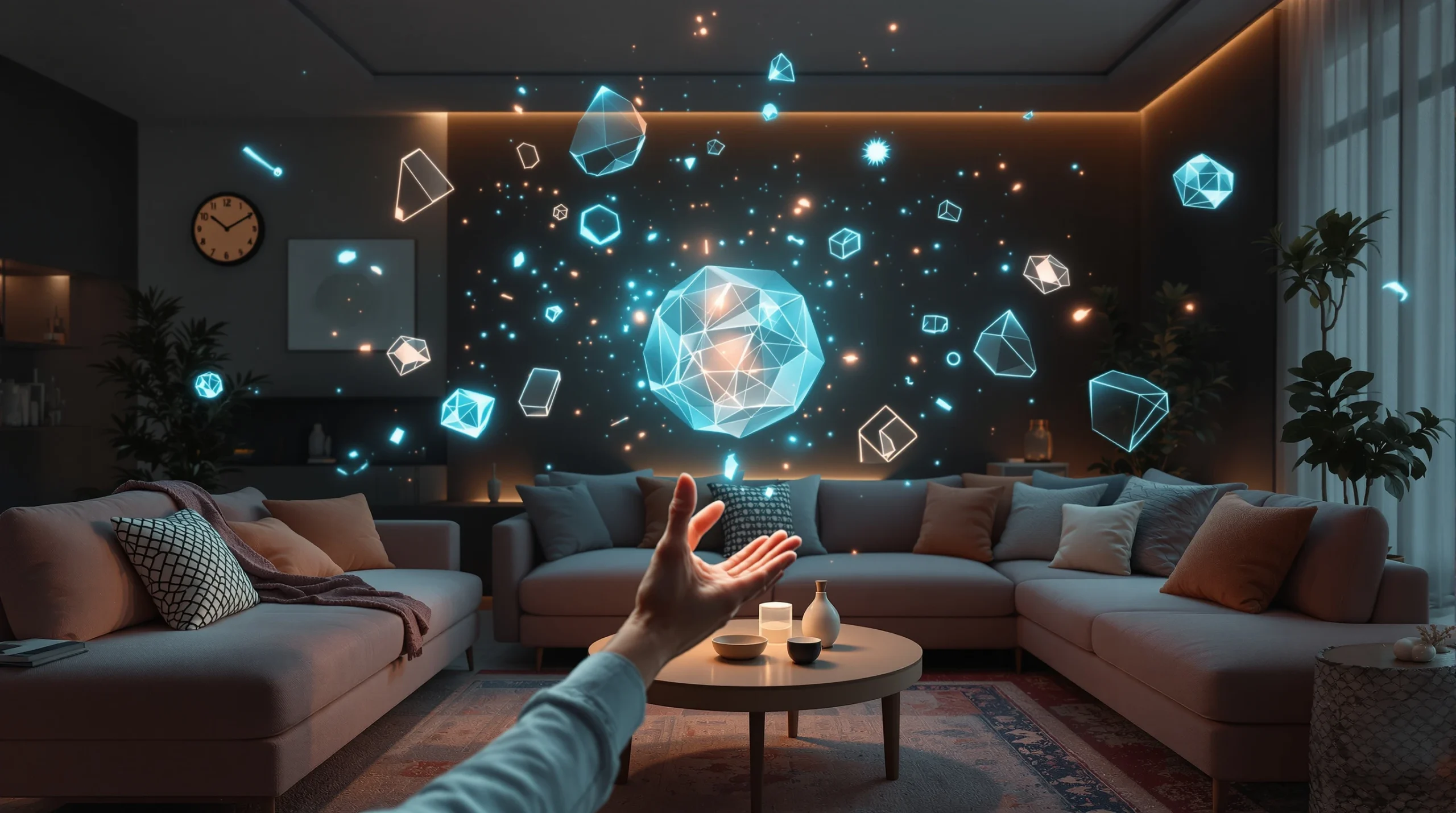
Quest 3’s passthrough is good enough that developers are designing for it as a primary mode rather than an afterthought. Hand tracking without controllers is now reliable enough to carry a full game. The titles built for this combination feel different smaller in scope, more intimate, more likely to be played in short sessions than marathon ones.
This is where the real design frontier sits. Not photorealistic graphics. Not haptic bodysuits. The question of what a game feels like when your dog can walk through it.
The Fitness Angle Nobody’s Covering Well
VR fitness is the one consumer use case that has genuinely changed lives, and the coverage is still mostly puff pieces. Supernatural, Les Mills Bodycombat, and Beat Saber have produced real weight loss stories at a scale that should be studied, not aggregated.
The market opportunity is unglamorous but enormous: long-form, data-driven content from people actually doing the thing. Calorie burns measured against real equipment. Twelve-month progressions. Honest write-ups of where these apps break down subscription fatigue, repetitive playlists, the wall most users hit around month four.
Fitness is the clearest path VR has to mainstream relevance, and the content layer is wide open.
What’s Actually Worth Your Time as a Creator
Most of the standard advice is wrong. “Do top 10 lists” doesn’t work the space is saturated and Google has stopped rewarding it. “Cover every release” burns you out and produces thin content.
What works:
Monthly release roundups, done seriously, with short honest takes on each new Meta Quest, PSVR2, or PC VR game rather than press-release summaries. This format is the backbone of every VR site that’s actually growing.
Long-form troubleshooting guides for specific hardware problems. “How to fix PSVR2 controller drift” will outrank your listicles for years because the problem never stops existing and most competitors write it badly.
First-person deep reviews of single games, with 20+ hours of actual play time visible in the writing. The audience is small enough that they can tell the difference between someone who played a game and someone who watched a trailer.
Smart glasses coverage, starting now. This category will be what Quest coverage was in 2020. Early writers become the reference.
Honest comparison pieces with actual verdicts. Not “it depends on your needs.” A verdict. Readers are exhausted by neutral content from writers afraid to offend a manufacturer.
What to Avoid
Metaverse content. The term is dead for most of the audience that matters, and the audience that still uses it unironically is not large enough to build on. Write about spatial computing, mixed reality, or specific platforms instead.
Crypto or NFT angles. They have not aged well, and tying your coverage to them in 2026 signals you didn’t update your playbook.
Speculative “this will change everything” pieces about Apple, Meta, or Samsung’s next device without original reporting. The market is tired of rumor aggregation.
AI-generated roundups. Readers can tell. Algorithms can tell. Advertisers eventually can tell.
Where VR and AR Gaming in 2026 Is Heading
The honest prediction for late 2026 and 2027: Valve ships a new headset, probably the one leaked as Deckard, and it forces every other platform to respond. Apple releases a lighter, cheaper Vision product that finally has a gaming story. Meta’s smart glasses with displays start shipping in volume, and the line between phone and wearable computer stops being theoretical.
None of this means VR as we know it disappears. It means the center of gravity shifts. The people who saw that coming and built their coverage around it will be the reference when everyone else catches up.
This is not the revolution the industry kept promising. It’s something better and less exciting a real medium, finally finding its audience, in its own strange shapes.
The people still waiting for the moment it “arrives” are going to miss it happening in front of them.
If you prefer playing instead of competing, you can also explore our Play Games Online page and try different games directly.
You can also explore more competitive gaming insights in our Games Articles section.