

5 min read
How to join an esports team is one of the most searched questions among players who want to move beyond casual gaming.
There’s a version of this topic that gets written as an inspirational roadmap grind ranked, believe in yourself, make the pros. That version is mostly useless.
The real path to joining an esports team is narrower, more specific, and more achievable than people think as long as you understand what teams are actually looking for and where the money actually comes from.
What Teams Actually Evaluate (It’s Not Just Your Rank)
Rank matters, but it’s a floor, not a ticket. Every team from semi-pro Discord collectives to mid-tier organizations gets applications from players who are mechanically capable. Most of those players never get called back.

What separates useful players from just skilled players:
Communication under pressure. This sounds like a cliché until you’re in a tryout VOD review and a coach is watching how you handle a lost round or a teammate’s mistake. Do you shut down, blame, or recalibrate? Teams at every level are building something, and they need players who can function when things go wrong.
Coachability. This one filters out more candidates than rank ever does. If you push back on every piece of feedback or justify every mistake, you’re a liability. Teams know this and they test for it sometimes deliberately.
Role discipline. In games like Valorant, CS2, or League of Legends, the highest-rank applicant often loses out to a lower-ranked player who actually wants to play a specific role and plays it consistently. A great support main beats a borderline-rank duelist main almost every time for team fit.
Where to Get Seen
Waiting to be discovered doesn’t work. Nobody is watching your ranked games hoping you’ll apply.
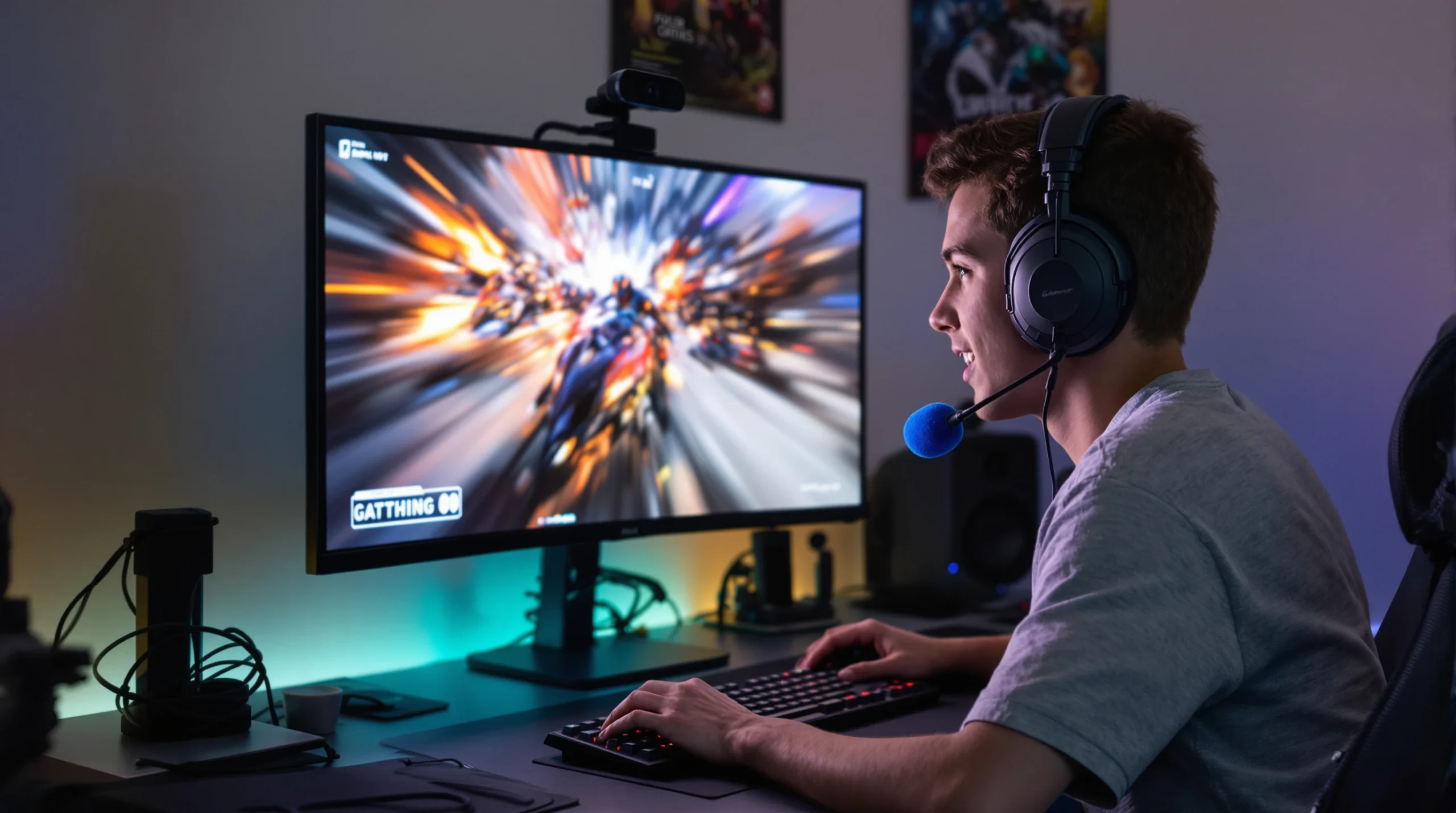
The realistic paths:
Faceit and third-party leagues For FPS titles especially, Faceit is where semi-pro and amateur teams scout. Your Faceit ELO and recent performance tell a more credible story than your main account rank, which can be boosted or inconsistent.
Community and amateur leagues Games like Rocket League, Valorant, and League all have structured amateur circuits, often organized through platforms like Battlefy or through game-specific Discord communities. These leagues have teams looking for players every season. This is probably the most direct legitimate pipeline that most players never bother with.
Streaming and clip presence For lower-tier teams, a public VOD history of your gameplay is surprisingly valuable. It lets coaches watch you think, not just perform. A highlight reel is almost useless; a full game VOD with voice comms tells them far more.
Team tryout postings Liquipedia, Reddit game subreddits, and Discord servers for your specific title regularly post open tryouts. Most players never apply because they assume they’re not ready. Apply anyway. The worst they say is no, and the process itself teaches you what to improve.
You can explore open tournaments and team opportunities on platforms like Liquipedia.
The Tryout Process: What to Expect
Most amateur and semi-pro tryouts follow a similar structure: you play a set number of scrimmage sessions, sometimes followed by a review call with coaches or team leads.
A few things to go in knowing:
You’ll likely be evaluated against multiple players simultaneously, especially at the lower tiers. Don’t play for highlight moments play your role cleanly and consistently.
Be early. Be communicative. Say you don’t know when you don’t know. These sound trivial, but the gap between “promising player” and “someone we want in our team house or Discord for six months” is almost entirely made up of these small signals.
If you don’t make it, ask for feedback. Not all teams will give it, but those that do are telling you something valuable. Treat it as a paid consultation you got for free.
How Players Actually Make Money
This is where most guides get vague or overly optimistic. Let’s be direct.

Salaries vary enormously by tier. Tier-1 players at major organizations the teams you see at international tournaments earn between $5,000 and $30,000 per month depending on the game and their profile. A handful earn significantly more. This bracket is extremely small and most players will never reach it.
Semi-pro and Tier-2 players typically earn $500–$3,000 per month, often supplemented by revenue sharing or tournament prize pools. Some receive stipends rather than full salaries. These are real jobs, but they’re not financially comfortable ones without additional income.
Amateur teams rarely pay salaries at all. What they offer is structure, scheduled practice, and the exposure that makes a real salary possible later. If a team offers you an amateur contract with no pay, that’s actually fine if the team is legitimate and organized. It’s a stepping stone, not a destination.
Where the real supplementary income comes from:
Streaming is the most reliable second income for players with any audience. Even a small consistent viewership (200–500 average viewers) generates meaningful Twitch or YouTube revenue when combined with subscriptions, bits, and brand deals.
Content creation and sponsorships kick in faster than most players expect once they have a team behind them. Even mid-tier teams carry sponsors gaming peripherals, energy drinks, VPN services and those deals often include player-level provisions.
Tournament winnings are real but unpredictable. Don’t build a financial plan around them.
The Honest Takeaway
The path into competitive esports is less about waiting to be discovered and more about systematically putting yourself where scouts and teams are already looking. Amateur leagues, open tryouts, and public VOD presence are genuinely effective they’re just unglamorous.
The money isn’t there at the start. That’s true. But for the right tier of competition at the right moment in your improvement curve, joining a team isn’t about the paycheck. It’s about accelerating your development inside a structured environment.
Do that well, and the paycheck follows.
If you prefer playing instead of competing, you can also explore our Play Games Online page and try different games directly.
You can also explore more competitive gaming insights in our Games Articles section.