
30 min read
How to travel to Japan is one of the most searched questions in 2026 — and for good reason. This is not a country you visit casually. It demands more preparation than most destinations — not because it is difficult, but because it operates on a logic that is entirely its own. Train systems that run to the second. Cities that feel both ancient and impossibly modern. A culture that communicates through restraint rather than volume.
The common mistake is treating Japan like another Southeast Asian trip with better infrastructure. It is not. It is expensive, highly structured, and quietly unforgiving of poor planning. But if you approach it with the right framework, it becomes one of the most rewarding places on earth to move through. Not in the way Iceland rewards you with raw, empty landscapes — that country operates on an entirely different register — but in the way only a civilization with fourteen centuries of unbroken cultural refinement can.
This guide is built for 2026 specifically. Japan has introduced significant changes this year — new tourist taxes, revised JR Pass economics, a fresh e-Visa system, and tightened overtourism measures across Kyoto and Osaka. Much of what was written even a year ago is already outdated.
If you are planning a trip to Japan, this is where to start.
Quick Summary
- Visa-free entry for most Western passports (up to 90 days). E-Visa available since September 2025 for others.
- Daily budget: $65–100 (budget), $130–230 (mid-range), $330+ (luxury).
- New departure tax of ¥3,000 from July 2026.
- Accommodation taxes now active in 20+ municipalities. Kyoto charges the highest.
- JR Pass costs ¥50,000 for 7 days — no longer worth it for simple Tokyo–Kyoto round trips.
- Cash is still essential. Carry ¥10,000–20,000 at all times.
- English is widely understood but not widely spoken. Google Translate with camera mode is your best companion.
- Key challenge: Do not over-schedule. Japan rewards depth, not speed.
Visa, Entry Requirements and Practical Basics
Japan’s entry system is cleaner than most countries, but the details matter more than you expect.
If you hold a passport from the US, UK, Canada, Australia, or most EU countries, you can enter Japan visa-free for up to 90 days. No application needed. You show up, go through immigration, and receive a stamp. The process is fast, usually under 20 minutes at Narita or Haneda.
For nationals who do need a visa, Japan launched an e-Visa system in September 2025. It covers short-term tourist stays up to 90 days and is available for residents of the US, UK, Canada, Australia, Singapore, Brazil, South Africa, Saudi Arabia, Taiwan, and Cambodia — among others. Apply through Japan’s official eVISA portal. Standard processing takes 5–7 business days, though peak seasons (cherry blossom, autumn leaves) can stretch that to 10. You can check the full list of visa-exempt nationalities on the Ministry of Foreign Affairs website.
One requirement that catches people off guard: immigration officers can ask for proof of funds and a confirmed departure plan. It does not happen often, but when it does, showing a return ticket and a credit card statement resolves it immediately.
Quick facts:
Currency: Japanese Yen (JPY / ¥). Cash is not optional — it is necessary. Many small restaurants, temples, and local shops do not accept cards. 7-Eleven and Japan Post ATMs accept foreign cards 24/7. Withdraw yen on arrival and keep a reserve.
Credit cards: Visa and Mastercard work at hotels, department stores, and chain restaurants. Amex is less reliable. Contactless payment via Apple Pay or Google Pay is increasingly accepted in cities, but do not depend on it outside Tokyo and Osaka.
Language: English signage exists in major stations and tourist areas. Most younger Japanese people understand basic English but are hesitant to speak it. Learn three phrases and you will be fine: Sumimasen (excuse me / I’m sorry), Arigatou gozaimasu (thank you very much), and Eigo no menu wa arimasu ka? (Do you have an English menu?).
Power plug: Type A (two flat prongs, same as US/Canada). European and UK travelers need an adapter.
SIM / Connectivity: Pick up a prepaid eSIM or pocket Wi-Fi at the airport. Ubigi, Airalo, and Mobal are the most reliable eSIM options in 2026. Expect to pay $15–25 for two weeks of data. Free Wi-Fi exists but is unreliable outside convenience stores and train stations.
How to Travel to Japan: Getting There and Moving Around
Your arrival airport shapes your entire trip.
Most international flights land at Narita International Airport (about 60–90 minutes from central Tokyo) or Haneda Airport (30–40 minutes from central Tokyo, and the better option if you can get it). Kansai International Airport serves Osaka, Kyoto, and the western region.
From Narita to Tokyo, you have three real choices: the Narita Express (¥3,250, ~60 minutes to Tokyo Station), the Skyliner to Ueno/Nippori (¥2,520, ~36 minutes), or a highway bus (¥1,300–3,200, ~90 minutes but cheaper). From Haneda, the Tokyo Monorail or Keikyu Line gets you into the city for under ¥500 in 20 minutes.
The JR Pass Question (And Why the Answer Has Changed)
This is the single most misunderstood topic in Japan travel planning for 2026.
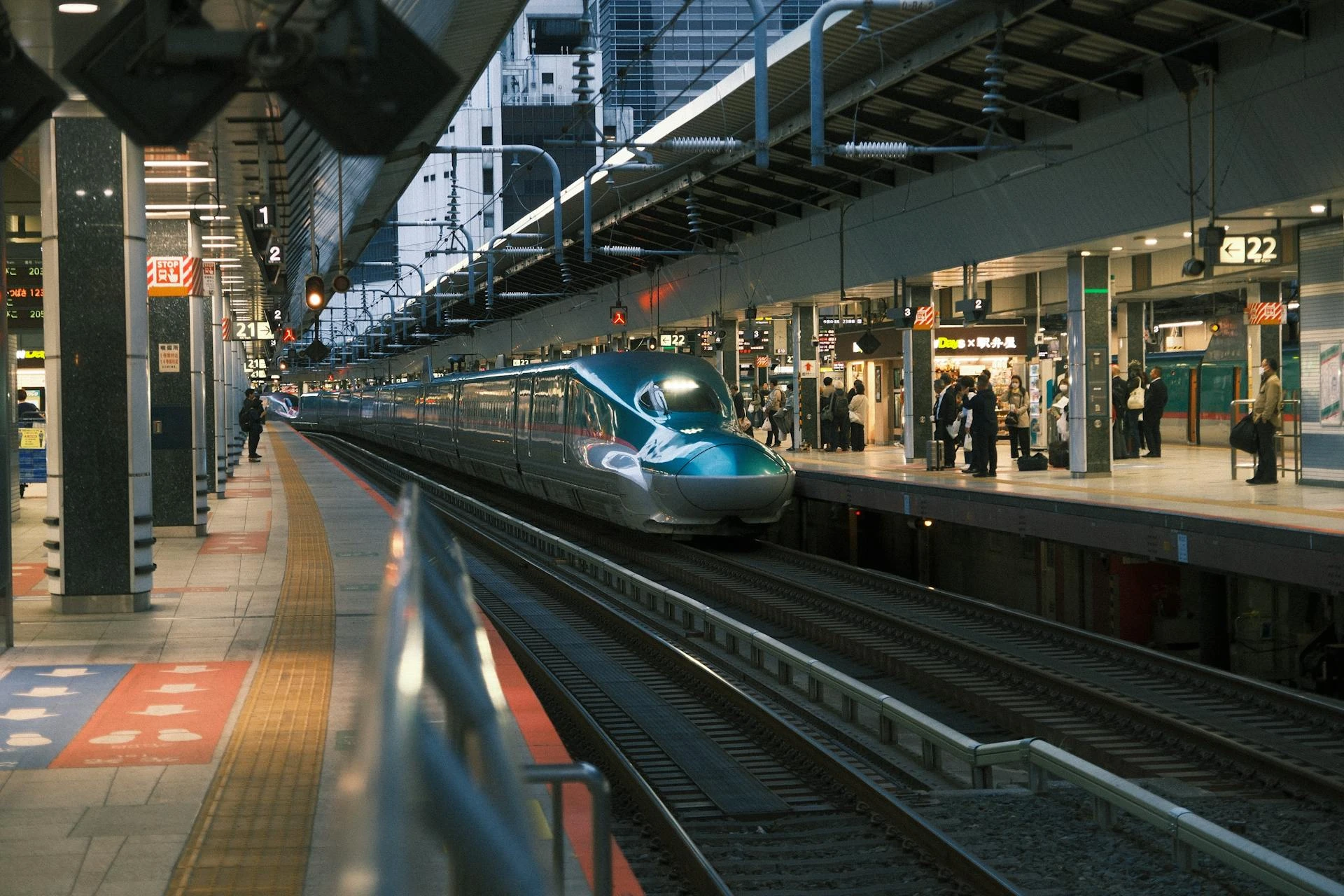
The Japan Rail Pass — the famous all-you-can-ride ticket for tourists — costs ¥50,000 (~$325) for 7 days. Before October 2023, it was ¥29,650. That price hike changed the math completely.
Here is the reality: a round-trip Shinkansen ticket from Tokyo to Kyoto costs about ¥27,700. That is barely half the JR Pass price. You would need at least two long-distance Shinkansen legs plus multiple JR local rides to break even.
When the JR Pass still makes sense: A multi-city loop — Tokyo → Kyoto → Hiroshima → Osaka → Tokyo — easily exceeds ¥50,000 in individual tickets. If you are covering three or more cities by bullet train within seven days, the pass pays for itself.
When it does not: If your trip is Tokyo + Kyoto only, buy individual Shinkansen tickets through the SmartEX app. You can book from your phone, sometimes get early-bird discounts, and save ¥20,000+ compared to the pass.
IC Cards: Suica, Pasmo, and the 2026 Update
For getting around within cities — subways, buses, convenience stores, vending machines — you need an IC card. Think of it as a rechargeable transit card that also works as a tap-to-pay wallet.
The main ones are Suica (JR East) and Pasmo (Tokyo Metro / private railways). They are functionally identical and work across all major cities.
Important 2026 change: the old Pasmo Passport for tourists was discontinued in 2024. Its replacement, the Tourist Pasmo, launches in May 2026 at airports and select train stations with 28-day validity. If you arrive after May 2026, grab one at Narita or Haneda.
You do not get a fare discount with IC cards — the benefit is pure convenience. No fumbling for exact change, no buying individual tickets at machines with Japanese interfaces. Load ¥3,000–5,000 at a time and top up at any station.
Costs: What It Actually Takes to Travel in Japan
Japan has a reputation for being expensive. That reputation is half-true — and the half that is true catches people off guard, while the half that is not true rarely gets mentioned.
Accommodation and transport will eat your budget faster than almost any country in Asia. That part is real. But food — arguably the main reason people go to Japan — can be shockingly affordable. A bowl of ramen that would cost $18 in New York costs $5 in Tokyo, and the Tokyo version is better. The weak yen in 2026 — hovering around ¥153–155 to the dollar — means your money stretches roughly 25–30% further than it did five years ago. This is, by any measure, the best exchange rate window for visiting Japan in the last decade.
Here is what a realistic daily budget looks like:
Budget Traveler ($65–100 / day)
Accommodation: Hostels (¥2,500–6,000/night), capsule hotels (¥2,000–5,000/night). Both are clean, well-maintained, and a genuine experience rather than a compromise.
Food: Convenience store onigiri and bento (¥150–500), standing ramen shops (¥500–900), gyudon chains like Yoshinoya or Matsuya (¥400–700). You can eat three solid meals for under ¥2,000/day without ever feeling deprived.
Transport: IC card for local trains and buses. Budget ¥1,000–1,500/day within cities.
Mid-Range Traveler ($130–230 / day)
Accommodation: Business hotels (¥8,000–15,000/night). Chains like Toyoko Inn, Dormy Inn, or APA Hotel offer small but immaculate rooms, often with complimentary breakfast and onsen (hot spring bath).
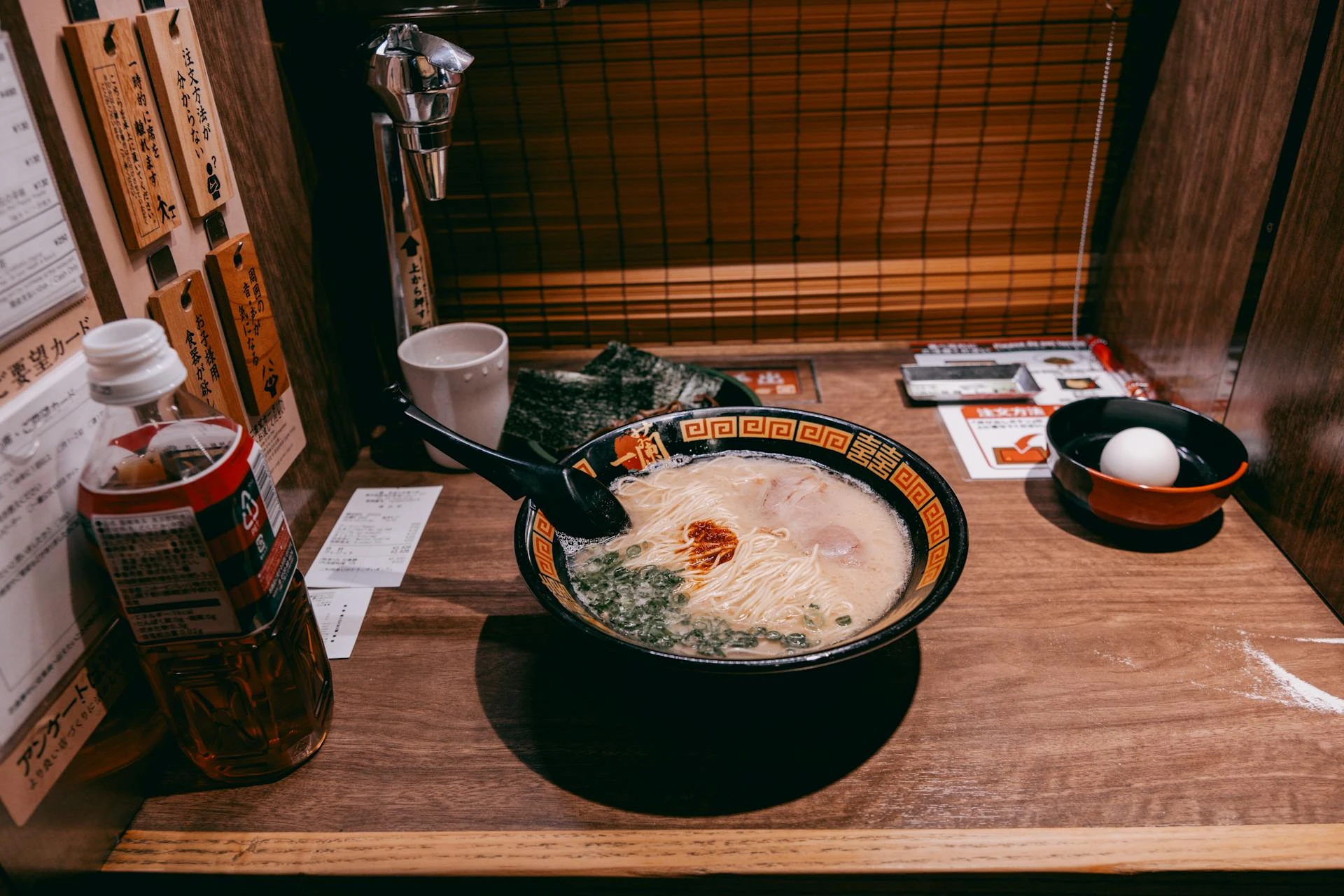
Food: Mix of casual restaurants and the occasional splurge. A proper ramen meal at a well-known shop runs ¥1,000–1,500. Izakaya dinners (Japanese pub food) average ¥2,500–4,000 per person with drinks. Sushi at a conveyor belt restaurant: ¥1,500–3,000.
Transport: Shinkansen tickets for intercity travel, IC card for local use. Budget ¥2,000–3,000/day for city transport.
Luxury Traveler ($330+ / day)
Accommodation: Ryokan with kaiseki dinner and private onsen (¥22,000+/night). High-end hotels in Tokyo and Kyoto (¥30,000–80,000/night).
Food: Omakase sushi counters (¥15,000–30,000), Michelin-starred kaiseki (¥20,000+). Tokyo has more Michelin stars than any other city on earth. It earns every one of them.
Accommodation Costs by City (2026 Averages)
| Type | Tokyo | Kyoto | Osaka |
|---|---|---|---|
| Hostel / Capsule | ¥2,500–5,000 | ¥2,500–5,500 | ¥2,000–4,500 |
| Budget Business Hotel | ¥6,000–10,000 | ¥7,000–12,000 | ¥5,000–9,000 |
| Mid-Range Hotel | ¥12,000–22,000 | ¥14,000–25,000 | ¥10,000–18,000 |
| Ryokan (with meals) | ¥22,000–50,000 | ¥25,000–60,000 | ¥20,000–45,000 |
| Luxury Hotel | ¥40,000–80,000+ | ¥35,000–70,000+ | ¥30,000–60,000+ |
Osaka is consistently 10–20% cheaper than Tokyo and Kyoto. Kyoto prices spike hard during cherry blossom season (late March–mid April) and autumn foliage (mid November–early December). Book those windows three months ahead or pay a premium.
The 2026 Tax Situation
This is new and directly affects your budget.
Departure tax: Rising from ¥1,000 to ¥3,000 per person from July 2026. It is automatically included in your flight or cruise ticket — you will not pay it separately, but your ticket price reflects it.
Accommodation taxes: At least 20 municipalities now charge a nightly lodging tax. Most are modest — ¥100–500 per night depending on room price. But Kyoto rewrote the rules in March 2026 with Japan’s highest accommodation tax. Budget stays pay a small fee; luxury properties face up to ¥10,000 per person per night.
Attraction pricing: Several major sites have introduced dual pricing for foreign tourists. Himeji Castle increased foreign visitor fees by 150%. Expect this trend to expand through 2026 and 2027.
None of this makes Japan unaffordable. But it does mean the “Japan is cheap because of the weak yen” narrative needs an asterisk.
Where to Stay: And Why It Matters More Than You Think
The biggest planning mistake in Japan is choosing accommodation purely by price. Where you stay does not just affect your comfort — it defines the version of Japan you experience. Get this wrong and you will spend half your mornings on trains instead of in temple gardens.
Tokyo
Tokyo is enormous — 13 million people spread across dozens of distinct neighborhoods. Staying in the wrong area means spending two hours a day on trains just to reach what you want to see.
Shinjuku is the most practical base for first-timers. It is the busiest rail hub in the world, which means you can reach virtually anywhere in Tokyo without transfers. It also has the widest range of hotels at every price point, strong nightlife, and proximity to Shibuya and Harajuku.
Asakusa works if you want a more traditional atmosphere — Senso-ji temple, old-school shopping streets, and a calmer pace. The trade-off is that it sits on the eastern edge, making western Tokyo less accessible.
Shibuya is central, vibrant, and walkable. Good for younger travelers who want nightlife and shopping within stumbling distance.
Avoid: Roppongi (overpriced, tourist-trap nightlife). Ginza (beautiful but everything closes early and hotels charge a premium for the address).
Kyoto
Kyoto’s accommodation landscape is unique because the city is essentially a grid with temples scattered in every direction. There is no single perfect neighborhood — but some are clearly better than others.
Downtown (Kawaramachi / Shijo area) puts you at the center of the grid with easy bus and train access to all major temples. Best balance of convenience and atmosphere.
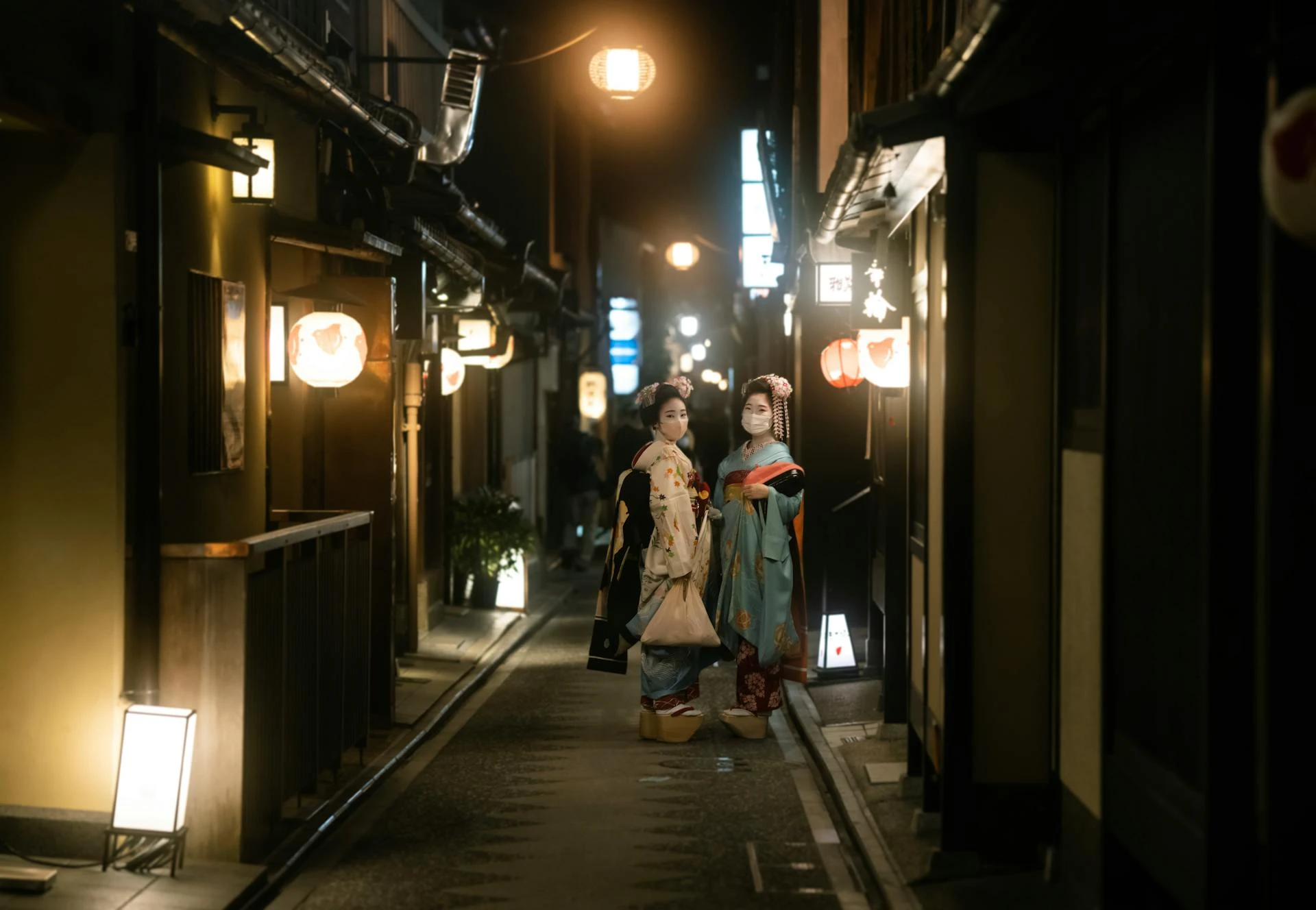
Gion is the geisha district. Staying here feels like sleeping inside a postcard, but room rates are 30–40% higher and availability is limited.
Near Kyoto Station is convenient for arrivals and departures, but the area itself lacks the charm that brings people to Kyoto. Use it as a transit point, not a base.
Osaka
Osaka is the most underrated base in Japan. It is cheaper than Tokyo and Kyoto, has arguably the best street food in the country, and sits 15 minutes from Kyoto by express train.
Namba / Dotonbori is the heart of Osaka’s food and nightlife scene. Loud, chaotic, brilliantly alive. If you want the maximalist Japan experience, this is it.
Umeda / Osaka Station is the business district — cleaner, quieter, and better connected to the Shinkansen. A smart choice if Osaka is your first or last stop.
Accommodation Types Worth Knowing
Capsule hotels are not just budget options — they are a cultural experience. Modern capsule hotels (like Nine Hours or The Millennials) are sleek, quiet, and surprisingly comfortable. Try at least one night.
Ryokan (traditional Japanese inns) are where you sleep on futons on tatami mats, wear a yukata, and eat multi-course kaiseki meals in your room. A single night at a good ryokan in Hakone or the Kyoto countryside is worth more than three nights in a generic hotel.
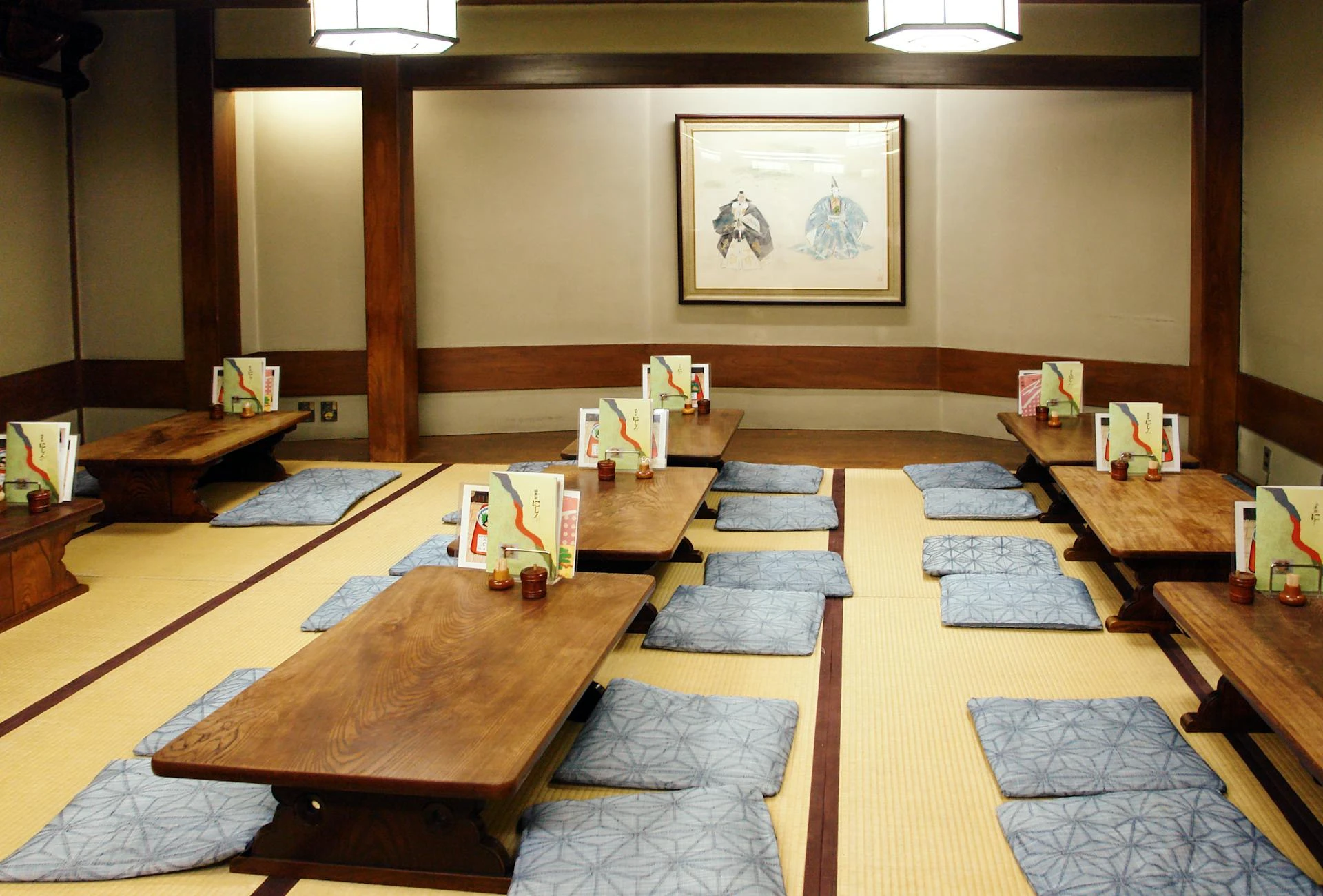
Business hotels are Japan’s secret weapon. They are small — rooms average 12–15 square meters — but spotlessly clean, well-located, and packed with amenities that Western hotels at the same price point would never offer. Many include free breakfast, coin laundry, and an onsen bath on the top floor.
What to Eat in Japan (And What to Actually Expect)
Japanese food is not what most people think it is. And this gap between expectation and reality is wider in Japan than anywhere else on the planet.
If your mental model of Japanese cuisine is sushi and ramen, you are working with about 10% of the picture. The depth and regional specificity here makes Italian regional cooking look casual by comparison. Every city, every prefecture, every neighborhood has its own specialty — and locals take these distinctions with a seriousness that borders on devotion.
The first thing to understand: Japan does not do fusion. It does not try to impress you with novelty. Japanese cooking is about perfecting a single thing over decades. A ramen shop might serve only one type of broth. A sushi counter might use only fish from one specific bay. This is not limitation — it is philosophy.
What You Should Actually Eat
Ramen varies wildly by region. Tokyo favors shoyu (soy sauce) based broths. Kyoto leans toward lighter, chicken-based stocks. Fukuoka is synonymous with tonkotsu (pork bone) — rich, milky, and utterly addictive. Do not judge ramen by one bowl. Judge it by five.
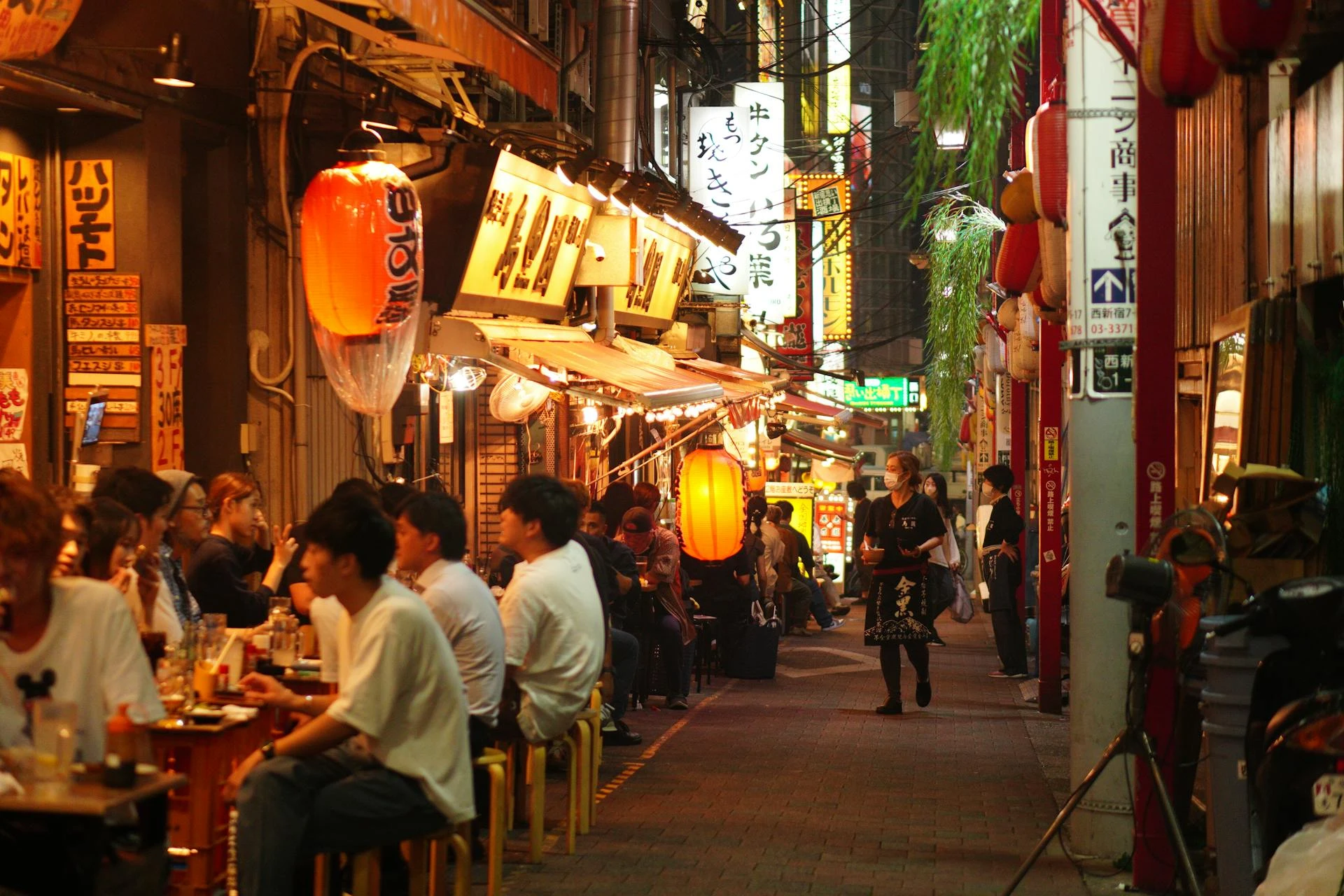
Izakaya food is what Japanese people actually eat when they go out. Small plates — grilled chicken skewers (yakitori), fried tofu, edamame, pickled vegetables, grilled fish — shared over beer and highballs. This is where you feel the pulse of Japanese social life. An izakaya dinner for two with drinks runs ¥5,000–8,000 total.
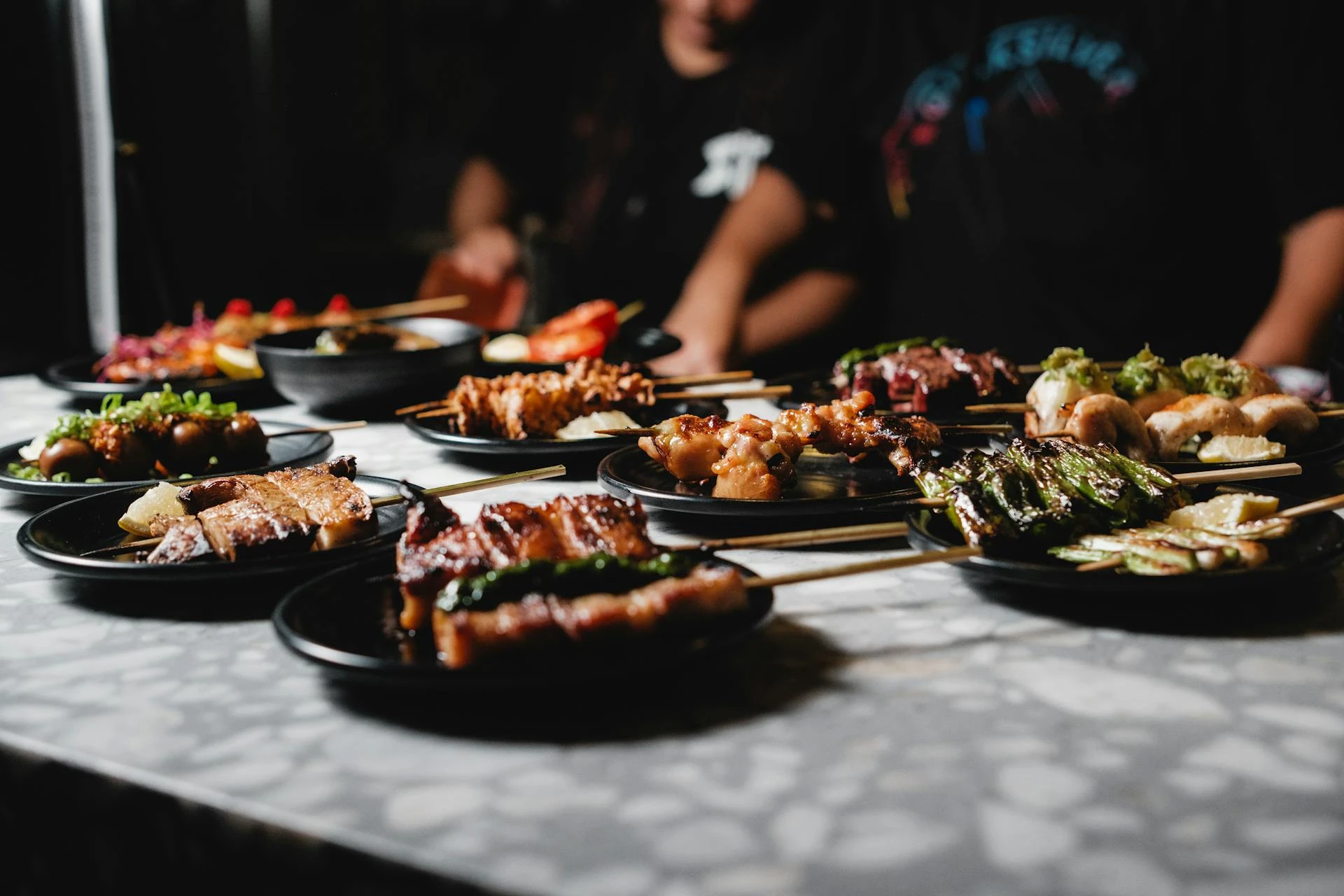
Convenience store food sounds unimpressive until you try it. Japanese konbini (7-Eleven, FamilyMart, Lawson) stock onigiri, egg sandwiches, fried chicken, and bento boxes that are genuinely good — not gas station food by any standard. A perfectly fine lunch for ¥500.
Kaiseki is the formal, multi-course tradition — the Japanese equivalent of French haute cuisine but with a philosophy rooted in seasonality and visual precision. Expect 8–14 courses, each one a small work of art. Prices start around ¥8,000 at lunch and climb to ¥30,000+ at dinner for the exceptional places.
Street food is more of an Osaka thing. Dotonbori is the epicenter — takoyaki (octopus balls), okonomiyaki (savory pancakes), and kushikatsu (deep-fried skewers) are the essentials. Kyoto has yatsuhashi (cinnamon rice cake sweets). Tokyo’s street food scene is thinner, focused around festival stalls and market areas like Ameyoko.
Eating Etiquette
Slurping noodles is not just acceptable — it is expected. It cools the noodles and signals appreciation.
Do not tip. Anywhere. Ever. It is not rude — it is confusing to the staff and occasionally insulting.
Chopstick rules matter: never stick them vertically into rice (funeral association), never pass food chopstick-to-chopstick (same association), and never point with them.
If you cannot handle chopsticks well, asking for a fork is perfectly fine. Nobody will judge you. What they will notice — and appreciate — is if you say itadakimasu before eating (a phrase of gratitude that roughly means “I humbly receive”) and gochisousama deshita when you finish (thank you for the meal).
What to Expect When You Actually Arrive
Japan operates on a set of unwritten rules that nobody explains to you beforehand — and most travel guides gloss over them with vague platitudes about “respecting the culture.” That is not useful. What follows is specific.
The Quiet
This is the first thing that hits you. Train carriages in Tokyo carry hundreds of people in near-complete silence. Nobody takes phone calls on trains. Nobody plays music without headphones. Conversations happen at a murmur. This is not unfriendliness — it is meiwaku, the deeply embedded cultural principle of not being a bother to others.
Adjust to this quickly. Lower your voice in trains and public spaces. Take phone calls outside or in designated areas. The faster you match the energy, the more comfortable your experience becomes.
The Efficiency (And Its Limits)
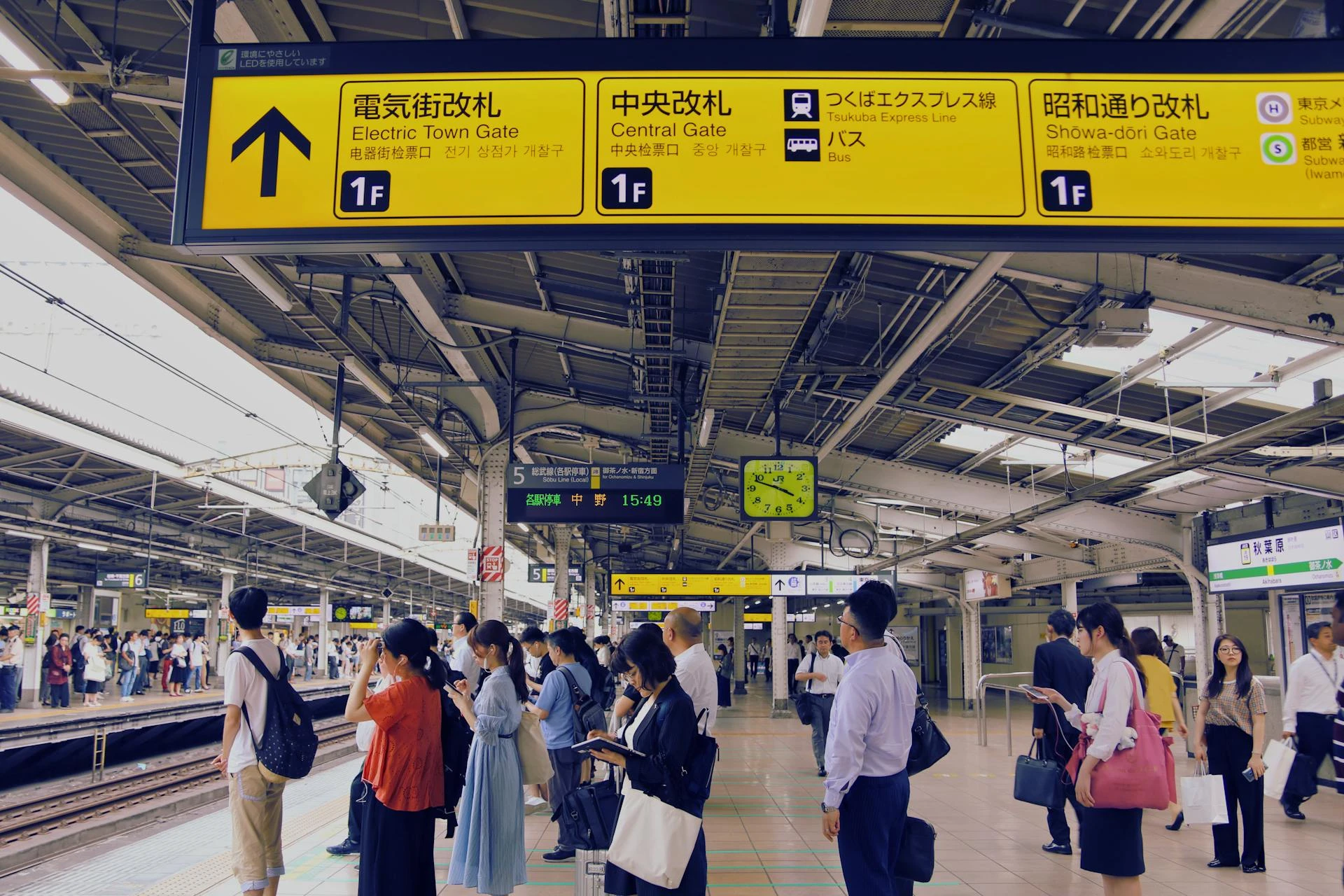
Trains arrive on time. Not approximately — precisely. The Shinkansen’s average delay across the entire network is under one minute per year. Station signage is clear. Transfers are logical. Google Maps works flawlessly for Japanese transit.
But this precision disappears the moment you step outside the system. Small restaurants have irregular hours. Some close for random days with no notice posted online. Temples and gardens close earlier than you expect — many stop entry at 4:00 or 4:30 PM. Plan your temple visits for mornings.
Shoes
You will remove your shoes more often than you anticipate. Temples, ryokan, some restaurants, fitting rooms, and any space with tatami flooring require it. Wear shoes you can slip on and off easily — this is not aesthetic advice, it is practical survival. Lace-up boots become a liability after your third temple of the day.
Keep your socks clean and hole-free. You will be walking in socks on wooden floors in front of other people more than you expect.
Cash Culture
Despite being one of the most technologically advanced countries on earth, Japan runs on cash more than any other developed nation. Small restaurants, shrine entrance fees, temple donations, coin lockers, some taxis, market stalls — all cash.
7-Eleven ATMs are your best friend. They accept virtually all foreign cards, operate 24/7, and are available on almost every block. Withdraw ¥10,000–20,000 at a time and top up as needed.
People
Japanese people are reserved but not distant. The hospitality is genuine — often overwhelmingly so. If you look lost, someone will likely approach you to help. Hotel and shop staff will go far beyond what you expect. A clerk once chased a traveler down the street to return ¥10 in change.
The key concept: omotenashi — a form of hospitality that anticipates needs before you express them. You will see it in the way hotel rooms are prepared, how food is presented, and how staff bow when you leave a shop. It is not performance. It is deeply ingrained.
Do not expect open displays of emotion or casual conversation with strangers. It happens occasionally — especially at izakaya after a few drinks — but it is not the norm. Respect the quiet warmth and you will notice it everywhere.
What You Should See (Without Turning It Into a Checklist)
The temptation in Japan is to cram everything in. Resist it. Hard.
The standard mistake — and nearly every first-time visitor makes it — is a 10-day itinerary trying to cover Tokyo, Kyoto, Osaka, Hiroshima, Nara, Hakone, and maybe Takayama. You end up spending half your trip on trains and the other half rushing through temples with 400 other tourists, taking the same photo from the same angle. That is not travel. That is logistics with a camera.
Japan rewards the opposite impulse. Pick fewer places. Stay longer. Walk more. The best things in this country are not landmarks — they are textures you only notice when you stop moving.
Tokyo
Tokyo is not one city — it is a collection of villages that merged. Each neighborhood has its own personality, and the pleasure of Tokyo is moving between them.
Shibuya and Harajuku are the obvious first stops — Shibuya Crossing, Meiji Shrine, Takeshita Street. Go, see them, and then move on. The real Tokyo lives in the side streets.
Shimokitazawa is Tokyo’s best-kept secret for visitors who care about atmosphere: vintage shops, tiny live music venues, independent cafés. No tour buses.
Yanaka feels like Tokyo from 60 years ago — narrow lanes, old temples, a cemetery that doubles as a park, and a shopping street where grandmothers sell handmade pickles.
Akihabara is for electronics and anime culture. Even if you have zero interest in either, walking through it is worth an hour for the sheer sensory overload.
Tsukiji Outer Market (the inner wholesale market moved to Toyosu, but the outer market remains) is where you eat the freshest sashimi of your life at 8 AM standing at a counter.
Kyoto
Kyoto has over 2,000 temples and shrines. You will visit maybe 8–12 in a week if you pace yourself well.
Fushimi Inari — the thousands of orange torii gates — is the most photographed site in Japan for a reason. Go at dawn (before 7 AM) or you will share it with a dense crowd. The full hike to the summit takes 2–3 hours and most tourists quit after the first 15 minutes, which means the upper trails are peaceful.
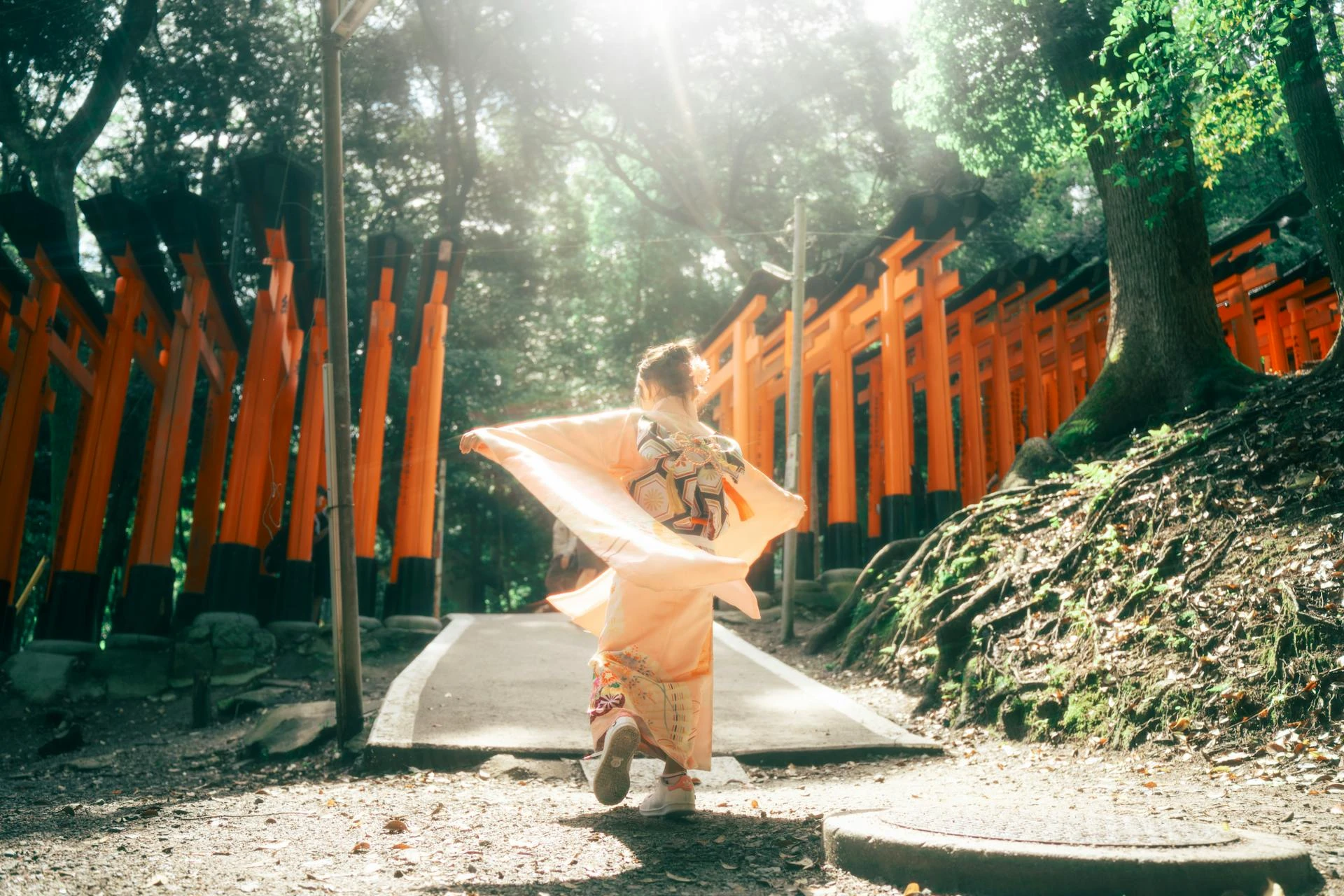
Kinkaku-ji (Golden Pavilion) is stunning but there is no way to experience it without crowds. Accept it, visit anyway, and spend 20 minutes rather than forcing a contemplative experience.
Arashiyama Bamboo Grove — same story. Beautiful, crowded, worth seeing once. The adjacent Tenryu-ji temple garden is better and less visited.
The real Kyoto hides in the eastern hills — Philosopher’s Path, Nanzen-ji, and the sub-temples of Daitoku-ji. These are the places where you sit in a rock garden for 30 minutes and understand why people spend lifetimes studying Japanese aesthetics.
Osaka
Osaka is Tokyo’s louder, friendlier, cheaper cousin. Where Tokyo is restrained, Osaka is expressive. Where Tokyo values polish, Osaka values flavor.
Dotonbori at night is pure energy — neon signs, street food smoke, barkers yelling deals. Eat takoyaki from a stall, watch the crowd, and let the city wash over you.
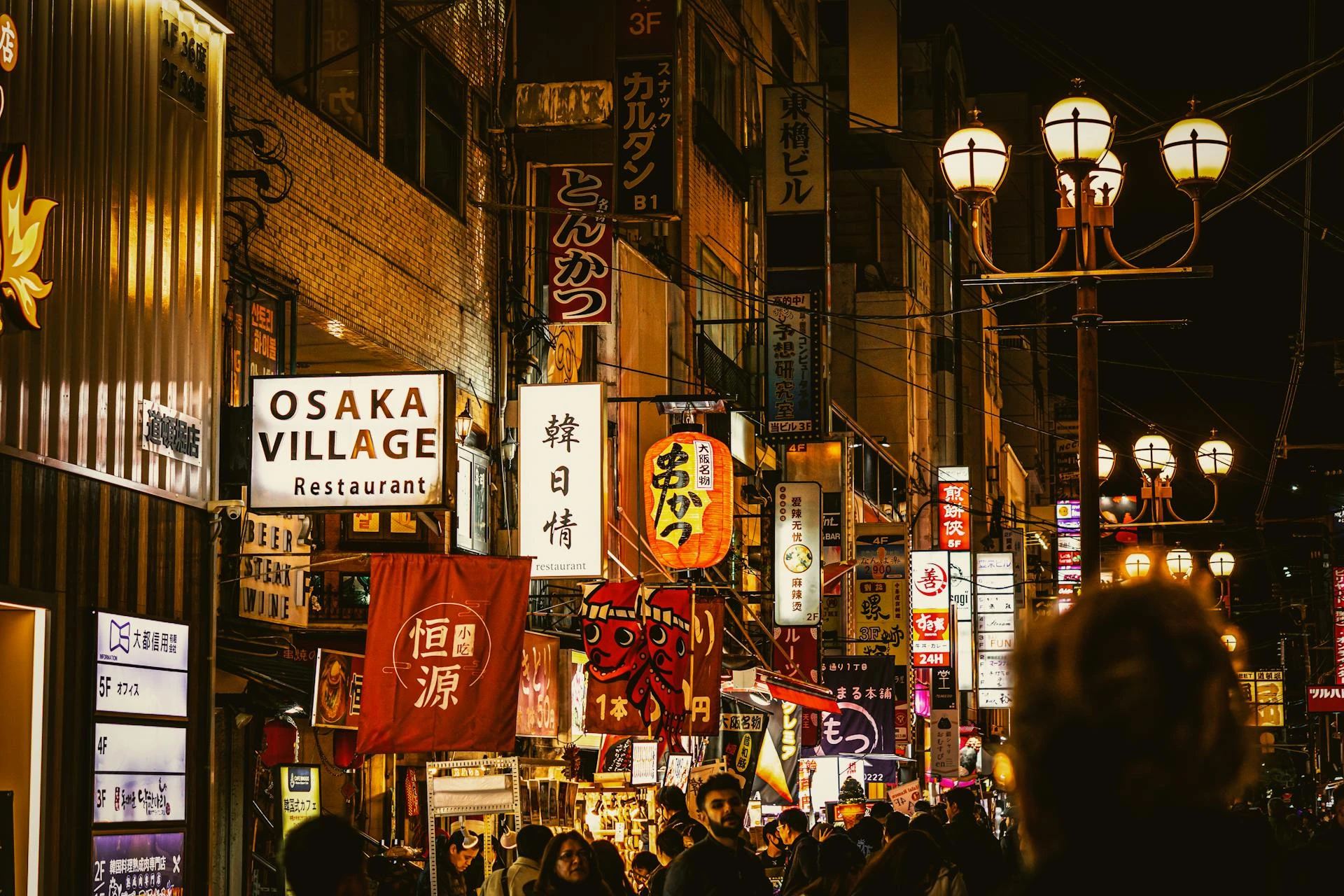
Osaka Castle is worth the walk through its park but the interior is a concrete reconstruction with museum exhibits. The views from the top floor are the real draw.
Shinsekai is the old entertainment district — slightly rough, deeply authentic, and home to the best kushikatsu in the country.
Day Trips That Justify Themselves
Nara (45 minutes from Kyoto): Famous for the deer that roam freely through the temple grounds. Todai-ji houses the largest bronze Buddha in Japan. Go for a half-day — it does not need more.
Hakone (90 minutes from Tokyo): Hot springs, mountain views, and on clear days, a postcard-perfect view of Mount Fuji. Stay one night at a ryokan with a private onsen.
Hiroshima + Miyajima Island (2 hours from Kyoto by Shinkansen): The Peace Memorial Museum is one of the most powerful museum experiences anywhere. Miyajima’s floating torii gate is an hour away by ferry and worth the trip.
Planning Your Time: A Realistic Framework
If you travel to Japan for the first time, you do not need a rigid day-by-day itinerary. You need a framework — and this one works for most visitors spending 10–14 days.
Days 1–4: Tokyo. Arrive, adjust to jet lag, explore neighborhoods. One full day for the major sights (Shibuya, Senso-ji, Meiji Shrine), then dedicate days to specific neighborhoods. One evening in Golden Gai (Shinjuku’s tiny bar alley) is mandatory.
Day 5: Travel day. Shinkansen to Kyoto (2 hours 15 minutes). Check into your hotel, explore downtown on foot.
Days 6–8: Kyoto. Temples in the morning (they open early and the light is better), afternoon exploring neighborhoods and shopping streets. One day trip to Nara.
Day 9: Osaka. Take the train from Kyoto (15 minutes). Street food tour through Dotonbori and Shinsekai. If you have two days, add Osaka Castle and the Umeda Sky Building.
Days 10–11: Flex days. Hiroshima day trip, or slow down in Kyoto. Or add Hakone on your return to Tokyo.
Days 12–14: Return to Tokyo or fly out from Osaka. Kansai Airport is convenient if you end in Osaka/Kyoto — no need to backtrack to Tokyo.
This is not a rigid itinerary. It is a skeleton. The best moments in Japan happen when you leave space for them — an unexpected shrine on a side street, a ramen shop with a 20-minute line that turns out to be the best meal of your trip, an afternoon in a neighborhood you had never heard of.
The 2026 Overtourism Reality
This needs to be addressed directly because it affects your experience.
Japan welcomed over 42 million foreign visitors in 2025. The infrastructure is excellent, but certain places are buckling under the weight. Kyoto in particular has been implementing aggressive overtourism measures — barriers at popular photo spots, stricter rules on short-term rentals, and the steep accommodation tax mentioned earlier.
Practical implications for your trip:
Book early for Kyoto. Three months ahead for cherry blossom and autumn seasons. Hotels sell out and prices double.
Visit popular sites at off-hours. Fushimi Inari at 6 AM. Arashiyama before 8 AM. Kinkaku-ji right at opening. The difference between 7 AM and 10 AM at these places is the difference between a spiritual experience and a theme park queue.
Consider shoulder seasons. January–February is cold but clear, cheap, and uncrowded. June (rainy season) keeps tourists away but the hydrangeas at temples are spectacular. Late October is warm, beautiful, and less packed than peak November foliage.
Go beyond the triangle. Tokyo–Kyoto–Osaka is the standard route, but Kanazawa, Takayama, Naoshima, and Tohoku offer equally remarkable experiences with a fraction of the visitors. The Japan National Tourism Organization actively promotes lesser-known regions — their route suggestions are worth checking before you lock your itinerary.
Tax-Free Shopping: What Changed in 2026
Japan’s tax-free shopping system is undergoing a significant overhaul that directly affects how you buy.
The current system gives tourists an immediate tax exemption at the register — you show your passport, skip the 10% consumption tax, and walk out. Starting late 2026, Japan is shifting to a refund-based system: you pay the full tax at purchase and claim a refund at the airport on departure.
This means:
- Hold onto every receipt for tax-free purchases.
- Keep items unopened and in their original packaging until you leave Japan.
- Budget extra time at the airport for the refund process.
- The old instant-exemption stickers in your passport will be replaced by a digital tracking system.
The transition is gradual, and some stores may still use the old system through the end of 2026. But plan for the new process to avoid surprises.
Final Thoughts
Japan is not a country that tries to impress you. It does not announce its beauty, explain its logic, or accommodate your expectations. It simply exists — with extraordinary precision and quiet depth — and waits for you to meet it on its own terms.
There is a moment that happens on every well-planned Japan trip. It is not at Fushimi Inari or Shibuya Crossing. It is sitting alone in a 12-seat ramen shop at 11 PM, watching the chef work with the focus of a surgeon, eating the best bowl of noodles you have ever tasted, and realizing that this country treats a ¥900 meal with the same seriousness it treats a ¥30,000 kaiseki dinner. That is the thing about Japan. The care is everywhere, at every price point, in every interaction. You just have to slow down enough to notice it.
The preparation matters. The budget matters. The logistics matter. But what separates a good trip from an unforgettable one when you travel to Japan is not any of those things.
It is knowing when to put the itinerary away and follow the side street.
If you are considering a destination that operates on the opposite end of the spectrum — raw landscapes, volcanic isolation, and a country that feels like the edge of the world — read How to Travel to Iceland.