
11 min read
Most guides on how to make money online read like a recycled wish list. Watch ads. Fill out surveys. Click buttons for pennies. That is not income — that is digital busywork dressed up as opportunity.
This guide is different. Every method here is legal, proven, and location-independent. Whether you are reading this from Nigeria, Germany, Turkey, the Philippines, or Brazil, the paths below can generate real revenue — not pocket change. No gimmicks. No recruitment schemes. No “secret websites.” Just actual work that pays actual money, explained step by step so you can make money online starting from where you are right now.
Who This Guide Is For
A quick filter before we go any further. This guide works best if:
- You have internet access and a laptop or smartphone
- You want to earn in USD, EUR, or GBP regardless of where you live
- You are willing to invest weeks — not hours — before seeing meaningful results
- You are done with vague promises and want a clear, actionable roadmap
If that sounds like you, keep reading.
The Honest Truth Before You Start
There is no method on this list that will make you rich overnight. Anyone who tells you otherwise is selling something — usually to you.
What these methods will do is build income that compounds with effort and skill. Some can replace a full-time salary within 6–12 months. Others work better as steady side income. The difference comes down to how much time and consistency you bring.
Here is a realistic expectation table based on global averages:
| Method | Time to First Earning | Monthly Potential (After 6 Months) | Startup Cost |
|---|---|---|---|
| Freelancing | 1–2 weeks | $500–$5,000+ | $0 |
| Affiliate Marketing | 2–4 months | $300–$3,000+ | $0–$100 |
| Digital Products | 1–3 months | $200–$5,000+ | $0–$50 |
| Online Tutoring | 1 week | $400–$2,500 | $0 |
| Content Creation | 3–6 months | $500–$10,000+ | $0–$200 |
| E-Commerce (Dropshipping/POD) | 2–6 weeks | $300–$4,000+ | $30–$300 |
| Remote Work | 1–4 weeks | $1,000–$6,000+ | $0 |
These are not guarantees. They reflect documented results from real people across different countries. Your numbers depend on skill level, niche selection, and consistency.
Step 1: Set Up Your Payment Infrastructure
This might sound boring, but it is the most critical step — especially if you live outside the US or Europe. You cannot earn what you cannot receive.
Essential accounts to open (all free):
Wise — The gold standard for receiving international payments. Gives you local bank details in USD, EUR, GBP, and more. Works in 160+ countries with low conversion fees. If you only open one account, make it this one.
Payoneer — Widely accepted on freelance platforms. Offers a virtual US bank account. The stronger choice if your country has limited Wise support.
PayPal — Still necessary for some clients and platforms, though fees are higher. Set up a business account for better credibility.
Stripe (for sellers) — If you plan to sell digital products or services directly, Stripe handles payments in 46+ countries.

Action step: Open at least two of these accounts today. Complete verification — you will need a government ID and proof of address. This process takes 1–3 days, so handle it before everything else.
Step 2: Freelancing — The Fastest Path to Real Income
Freelancing is the most direct route to earning online because you are exchanging a skill for payment, with no middleman eating 90% of the cut.
What sells in 2026
The global freelance economy crossed $1.3 trillion in revenue, and certain skills command sharper demand than others. Here is what clients are actively paying for right now:
High-demand, high-pay skills:
- AI workflow consulting and prompt engineering ($50–$150/hr)
- Web development and app building ($40–$120/hr)
- Video editing for YouTube, TikTok, and brands ($30–$80/hr)
- Copywriting and content strategy ($35–$100/hr)
- UI/UX design ($40–$100/hr)
Accessible entry-level skills (no degree required):
- Virtual assistance ($10–$25/hr)
- Social media management ($15–$40/hr)
- Data entry and transcription ($8–$20/hr)
- Basic graphic design using Canva ($15–$35/hr)
- Customer support ($10–$25/hr)
Where to find clients
| Platform | Best For | Commission | Global Access |
|---|---|---|---|
| Upwork | All skill levels | 10% | Yes |
| Fiverr | Beginners, creative work | 20% | Yes |
| Toptal | Senior developers/designers | 0% (client pays) | Selective |
| PeoplePerHour | European clients | 20% (decreasing) | Yes |
| Contra | Commission-free freelancing | 0% | Yes |

Step-by-step: Landing your first client
Week 1: Build your profile. Choose one platform — Upwork is the safest bet for beginners. Write a profile that focuses on what you solve, not what you are. Bad: “I am a passionate writer.” Good: “I write product descriptions that convert browsers into buyers — 200+ completed for e-commerce brands.”
Week 2: Send 5 proposals per day. Do not copy-paste. Read the client’s job post. Reference something specific they mentioned. Explain how you would approach their exact problem. Keep it under 150 words.
Week 3: Deliver beyond expectations on your first job. Your first 3–5 reviews determine your entire trajectory on any platform. Overdeliver. Respond fast. Be easy to work with.
Week 4 and beyond: Raise your rates by 10–20% after every 5 completed jobs. The biggest freelancer mistake is staying cheap forever. Clients who pay more are almost always easier to work with — that is not a coincidence.
Step 3: Affiliate Marketing — Earn by Recommending What You Already Use
Affiliate marketing means you recommend a product, someone buys through your unique link, and you earn a commission. Simple concept — but execution separates the people earning $50/month from the ones earning $5,000.
Why it works globally
You do not need to create a product. You do not need to handle shipping, refunds, or customer service. You just need an audience — even a small one — that trusts your judgment.
The 2026 reality check
Lazy affiliate marketing is dead. Dropping random Amazon links in a blog post will not earn you anything meaningful anymore. What works now is genuine product usage combined with specific, helpful content that solves a real problem.
How to start from zero
Pick a niche you can speak about credibly. Tech, fitness, personal finance, productivity tools, cooking equipment, travel gear — the topic matters less than your ability to offer a perspective people cannot get from a product listing page.
Choose affiliate programs:
| Program | Commission Rate | Cookie Duration | Best For |
|---|---|---|---|
| Amazon Associates | 1–10% | 24 hours | Physical products, trust factor |
| ShareASale | Varies (5–50%) | 30–90 days | Diverse brands, global |
| Impact | Varies | 30+ days | SaaS, apps, premium brands |
| PartnerStack | 15–30% recurring | 90 days | Software tools |
| CJ Affiliate | Varies | 30 days | Large brands |
| Direct brand programs | 10–50% | Varies | Higher commissions, direct relationship |
Create content around products, not about products. The difference matters enormously. A post titled “Best Budget Microphones for Podcasting” performs better than “Blue Yeti Review” because it answers a question people actually type into Google.
Distribute through one primary channel: a blog on WordPress, a YouTube channel, or a niche social media account. One channel done well beats three done poorly — every single time.
Realistic timeline
Months 1–2: Set up your platform, publish 10–15 pieces of content, apply to affiliate programs. Months 3–4: Start seeing small commissions ($50–$200/month) as content ranks or gains traction. Months 5–6: Optimize what works, double down on top-performing content. Month 6+: Consistent $500–$3,000/month is achievable with steady effort.
Step 4: Digital Products — Build Once, Sell Forever
Digital products have the best margin of any online business model. Zero inventory. Zero shipping. Near-zero production cost after the initial creation. Once the work is done, every sale is almost pure profit.
What actually sells
Forget the advice to “just create an ebook.” The market has matured well past that. Here is what people pay for in 2026:
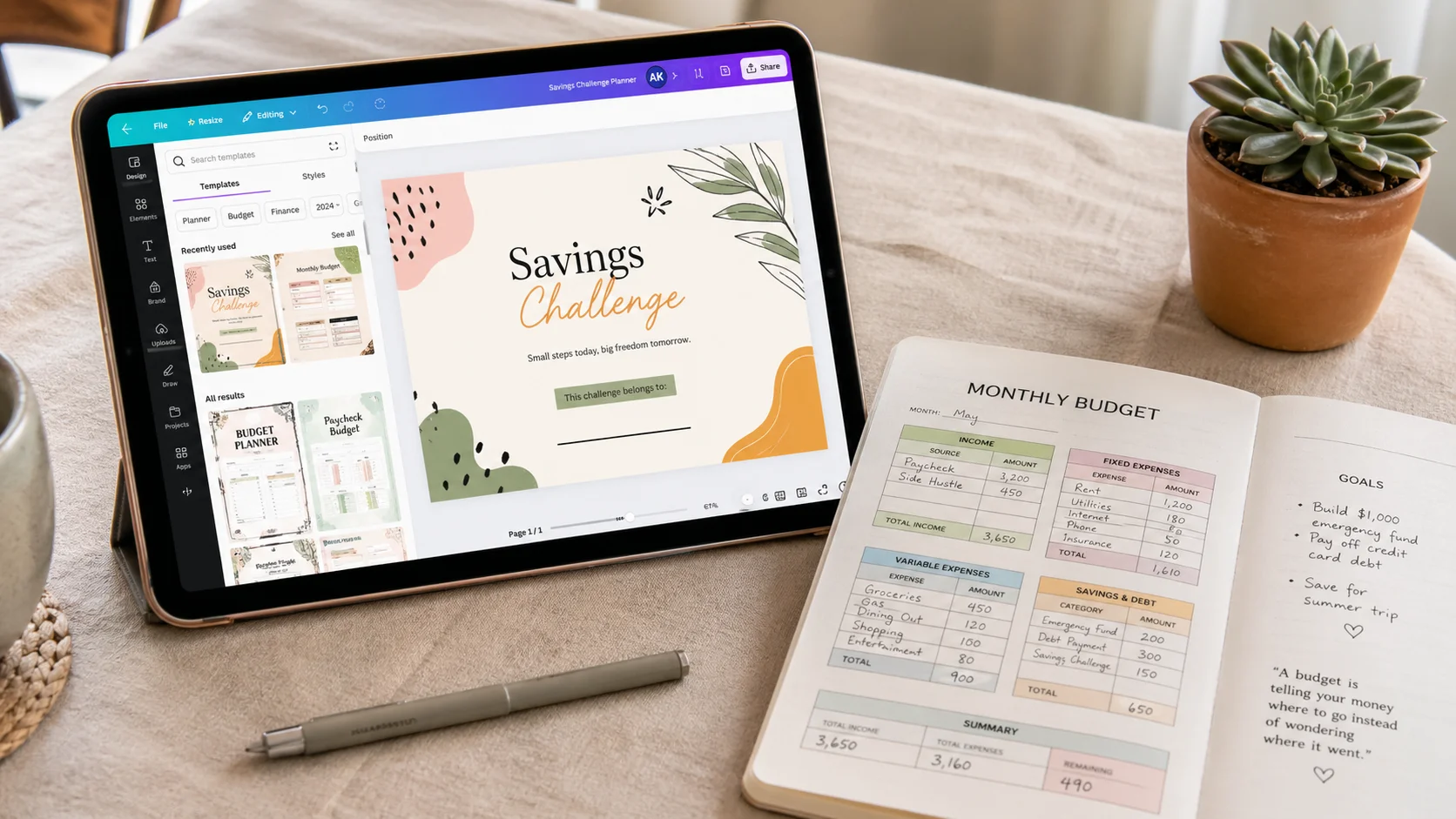
Templates and tools — Notion templates, Canva design packs, spreadsheet calculators, resume templates, social media content calendars. These sell for $5–$50 each and can generate hundreds of sales per month with the right audience.
Mini-courses (under 2 hours) — Focused, outcome-specific courses crush bloated 12-module programs. “How to Edit Reels Like a Pro in DaVinci Resolve” will outsell “Complete Video Editing Masterclass” every time, because it promises a specific result in a short window.
Printables and planners — Budget trackers, meal planners, habit trackers, study guides. The market for printable PDFs is surprisingly large and genuinely global.
Stock assets — Photos, illustrations, icons, sound effects, LUTs for video editing. Creatives sell these on platforms like Gumroad, Etsy, or Creative Market.
Where to sell
| Platform | Fee Structure | Best For |
|---|---|---|
| Gumroad | 10% flat | Digital downloads, simplicity |
| Etsy | $0.20/listing + 6.5% | Templates, printables, creative assets |
| Teachable | Monthly plan ($39+) | Courses, memberships |
| Payhip | 5% (free plan) | Ebooks, downloads, courses |
| Your own website (WooCommerce/Shopify) | Payment processing only | Full control, no platform commission |
Step-by-step: Launching your first digital product
- Identify a specific problem your target audience faces. Browse Reddit, Quora, and niche Facebook groups — look for the same question asked over and over. That repetition is your product idea.
- Create the solution in the simplest possible format. A Notion template takes a day. A Canva template pack takes a weekend. A mini-course takes a week.
- Set up your storefront on Gumroad or Payhip (both free to start).
- Write a landing page that focuses on the transformation, not the features. “Save 5 hours every week on content planning” beats “50-page social media planner.”
- Drive initial traffic by sharing in relevant communities — not by spamming, but by contributing genuine value and mentioning your product where it naturally fits.
- Collect reviews and testimonials from your first 10 buyers. Social proof drives everything in digital product sales.
Step 5: Online Tutoring and Teaching — Monetize What You Know
If you speak any language fluently — English, French, German, Turkish, Italian, Japanese, or any other — or have expertise in any academic subject, there is a global market that will pay you for it. This is one of the most underrated methods on this list.
Platforms that pay globally
| Platform | What You Teach | Hourly Rate | Requirements |
|---|---|---|---|
| Preply | Languages, academics | $10–$60 | No degree required |
| italki | Languages only | $10–$50 | Native or fluent speaker |
| Wyzant | All subjects | $20–$80 | US-based students, global tutors |
| Chegg Tutors | STEM, business | $20–$40 | Subject expertise |
| Outschool | Kids’ classes | $15–$70 | Creativity, basic vetting |
| Skillshare (as teacher) | Any skill | Royalty-based | Portfolio of classes |
How to stand out
The tutoring market is competitive, but most tutors are terrible at marketing themselves. Here is how to separate yourself from the crowd:
Record a 60-second intro video for your profile. Profiles with video get 3–5x more bookings on platforms like Preply and italki. Most tutors skip this step — which is exactly why doing it gives you an edge.
Specialize narrowly. “English tutor” is invisible in a sea of thousands. “Business English for tech professionals” is a magnet for a specific, high-paying audience that knows exactly what they need.
Offer a discounted trial lesson (most platforms support this). Your conversion rate from trial to regular student should be your primary optimization focus — not your hourly rate.
Build a schedule and stick to it. Platform algorithms reward consistency. Tutors who show up at regular times rank higher in search results than those who log in randomly.
Step 6: Content Creation — The Long Game That Pays the Most
Content creation is not quick money. It is the method with the highest ceiling and the longest runway. But if you are willing to commit for 6–12 months without seeing much return, it can outpace everything else on this list — and keep paying long after you stop actively working.
Choosing your platform
| Platform | Monetization Threshold | Revenue Model | Best Content Type |
|---|---|---|---|
| YouTube | 1,000 subs + 4,000 watch hours | Ad revenue + sponsorships | Tutorials, reviews, vlogs |
| TikTok | 10,000 followers | Creator fund + brand deals | Short-form, trending content |
| Medium | 100 followers | Partner Program (reads) | Long-form writing, essays |
| Substack | Any size | Paid subscriptions | Newsletters, niche expertise |
| X (Twitter) | No minimum | Ads revenue share + products | Threads, commentary, networking |

The content creation blueprint
Month 1: Pick one platform and one niche. Do not spread yourself thin. The “rule of ones” applies here — one platform, one content type, one audience. Splitting your energy across three platforms means you build nothing meaningful on any of them.
Month 2–3: Publish consistently. On YouTube, that means 1–2 videos per week. On TikTok, at least 1 per day. On Medium or Substack, 2–3 articles per week. Quality matters, but in the early stages, volume teaches you faster than perfectionism ever will.
Month 3–4: Study your analytics. Which posts performed? Why? Double down on those formats, topics, and hooks. Kill what is not working without emotional attachment.
Month 4–6: Introduce monetization layers. Affiliate links in descriptions. A simple digital product. Sponsorship outreach to small brands — you do not need millions of followers. Brands working with creators in the 10,000–50,000 range often see better engagement rates than those partnering with mega-influencers.
Month 6+: Stack income streams. The real money in content creation comes from combining ad revenue + affiliate income + digital products + occasional sponsorships. Creators earning $5,000–$10,000/month typically run 3–4 revenue streams simultaneously.
Step 7: E-Commerce Without Inventory — Print-on-Demand and Dropshipping
You do not need a warehouse to sell physical products. Two models make this possible from anywhere in the world — and both have a lower barrier to entry than most people expect.
Print-on-Demand (POD)
You upload designs. When someone buys, the platform prints and ships the product. You never touch inventory, never deal with fulfillment, never worry about unsold stock.
Best POD platforms:
| Platform | Products | Base Price | Global Shipping |
|---|---|---|---|
| Printful | T-shirts, mugs, posters, etc. | Varies | 190+ countries |
| Redbubble | Stickers, clothing, home decor | Set by platform | Worldwide |
| Merch by Amazon | T-shirts on Amazon | Amazon handles | Amazon’s reach |
| TeePublic | Apparel, accessories | Set by platform | Worldwide |
What makes POD work: Niche designs for specific communities. “Dog mom” shirts are saturated. “Australian Shepherd hiking buddy” shirts sell to a passionate micro-audience willing to pay premium prices. The narrower you go, the less competition you face.
Dropshipping

You list products from a supplier. When someone orders, the supplier ships directly to the customer. Your job is marketing and customer experience.
Getting started:
- Open a Shopify store ($1/month for the first 3 months in most regions).
- Use DSers or Spocket to connect suppliers.
- Pick a niche with steady demand — pet accessories, home organization, eco-friendly products, and phone accessories remain consistent sellers.
- Run small ad tests ($5–$10/day on Meta or TikTok) to validate products before scaling.
- Focus on customer experience — fast replies, honest shipping times, easy returns.
The honest reality: Dropshipping margins are thin (15–30%), and it requires upfront ad spend. It works best when you find a winning product and scale it aggressively. Expect to test 5–10 products before finding one that reliably converts.
If you are curious about what launching a small product-based business actually costs in practice, this breakdown of real startup expenses gives a clear picture of the numbers most guides leave out.
Step 8: Remote Jobs — Full-Time Income Without the Office
Not everyone wants to build a business. Some people want a stable paycheck they can earn from anywhere in the world. That is completely valid — and the remote job market in 2026 is the largest it has ever been.
Where to find legitimate remote jobs
| Platform | Focus | Global Access |
|---|---|---|
| We Work Remotely | Tech, design, marketing | Yes |
| Remote.co | Diverse industries | Yes |
| FlexJobs | Vetted remote listings (paid) | Yes |
| Remotive | Tech-focused | Yes |
| LinkedIn (Remote filter) | All industries | Yes |
| Wellfound (formerly AngelList) | Startups | Yes |
| Working Nomads | Curated remote jobs | Yes |
Roles that hire globally (no degree required for most)
Customer support representative, virtual executive assistant, social media coordinator, content writer, data analyst (with spreadsheet skills), QA tester, community manager, bookkeeper, project coordinator.
Application strategy
Tailor every application. Generic resumes disappear into the void. Match your experience to the specific job description — use their language, reference their product, show that you actually read the posting.
Highlight remote readiness. Mention your home office setup, reliable internet, timezone flexibility, and experience with tools like Slack, Notion, Zoom, and Asana. Companies hiring remotely want proof that you can function without someone watching over your shoulder.
Build a simple portfolio. Even for non-creative roles, a one-page website showing your skills and past work dramatically improves your chances. It signals professionalism in a way a PDF resume cannot.
How Not to Make Money Online — The Red Flags
This section exists because for every legitimate method, there are dozens of schemes designed to take your money or waste your time. Recognizing them early saves you from learning the hard way.
“Pay to start” schemes. Legitimate platforms do not charge you a fee to begin earning. If someone asks for money upfront to “unlock earning potential,” walk away. The FTC’s guidance on work-from-home scams is worth reading before you commit to any platform that feels off.
Crypto trading bots and forex signals groups. Some are run by legitimate traders, but the vast majority profit from selling courses and subscriptions — not from actual trading returns. If they were consistently profitable, they would not need your subscription fee.
Multi-level marketing (MLM) disguised as e-commerce. If the income model depends on recruiting other sellers rather than selling to end customers, it is an MLM. The math does not work for 99% of participants — this is documented by the FTC.
“Passive income” with zero effort. Passive income exists, but it requires significant upfront work. Anyone claiming you can earn $500/day doing nothing is lying — full stop.
Platforms that pay in points or credits instead of real currency. If you cannot withdraw actual money to your bank account, it is not real income. It is a game designed to keep you clicking.
Your 30-Day Action Plan

Here is exactly what to do in the next 30 days, regardless of which method you choose:
Days 1–3: Open Wise and Payoneer accounts. Complete verification.
Days 4–7: Choose ONE method from this guide. Not two. Not three. One. The biggest mistake is trying everything simultaneously and mastering nothing.
Days 8–14: Set up your presence. Create your freelance profile, build your storefront, open your YouTube channel, or apply to tutoring platforms — whatever matches your chosen method.
Days 15–21: Do the work. Send proposals. Create content. Design products. Apply to jobs. This is where most people quit. Do not be most people.
Days 22–28: Evaluate and adjust. What is getting traction? What is falling flat? Talk to people in your space. Read forums. Iterate based on what the data tells you, not what you hoped would happen.
Days 29–30: Set your 90-day goal. By now you should have a clear picture of whether your chosen method fits your skills and lifestyle. If it does, commit fully for three months. If it does not, pivot — but pivot to one other method, not five.
Final Thought
The internet did not make earning easy. It made earning accessible. That is a crucial difference most people miss.
Every method in this guide requires work, patience, and the willingness to be bad at something before you get good at it. The people who build real online income are not smarter or luckier than everyone else — they just did not quit at week eight when nothing seemed to be working yet.
Pick one path. Follow the steps. Adjust as you learn. The only strategy that guarantees failure is the one you never start.